
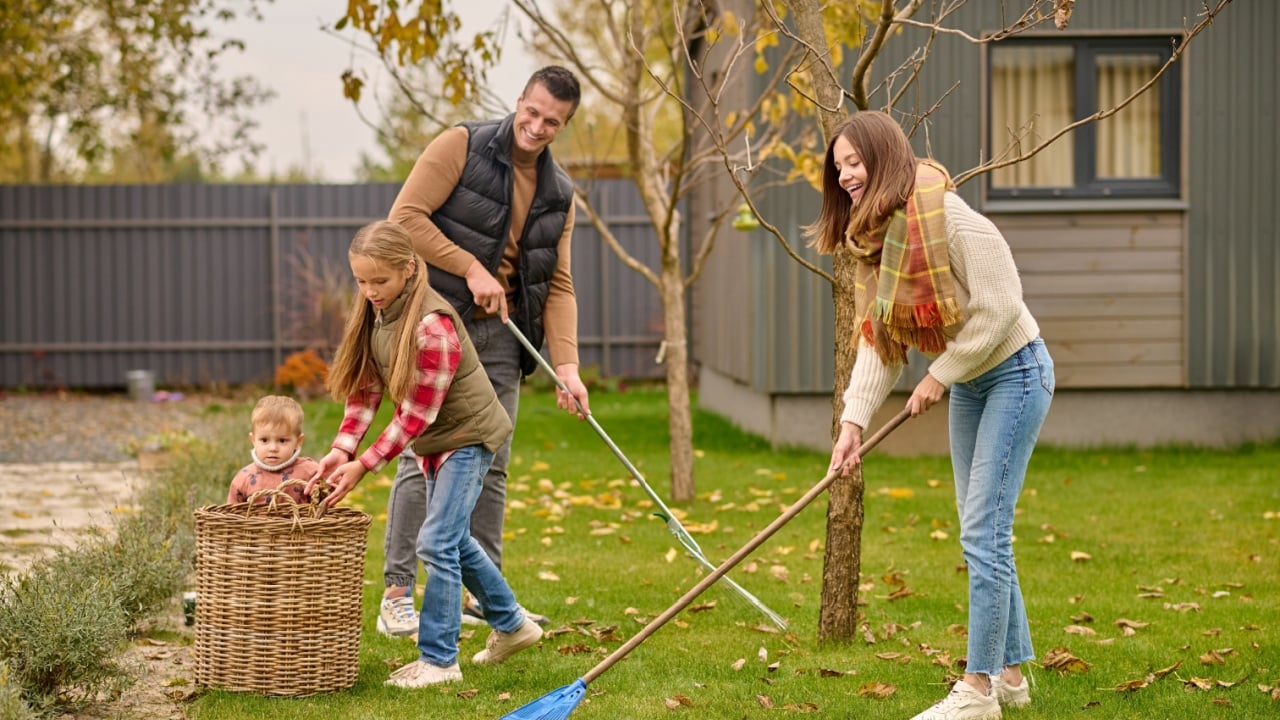
October is such a beautiful time of year. The leaves are changing, pumpkins are everywhere, and there’s finally a good excuse to pull out the cozy sweaters and make another batch of apple cider.
Of course, Halloween is everywhere, too. And if your family chooses not to celebrate it because of concerns about its sinister origins, finding fall activities that fit your beliefs can sometimes feel a little tricky, especially when the kids see their friends getting excited about costumes and candy.
But there’s so much more to autumn than Halloween! From apple picking and backyard campfires to simple acts of kindness, this season offers plenty of opportunities to spend time together, appreciate God’s creation, and make memories your kids will look forward to year after year.
Here are 8 fun, faith-friendly ways to celebrate fall with your family.
1. Invite Friends and Neighbors Over for a Harvest Potluck
Photo Credit: Depositphotos.com.
There’s something about fall that makes gathering around a table feel especially inviting. Maybe it’s the cooler weather or the smell of something delicious baking in the oven. Either way, a harvest potluck is a wonderful excuse to bring people together.
You don’t need to plan anything elaborate. Invite a few families from church, some neighbors, or friends you haven’t seen in a while. Ask everyone to bring a favorite fall dish, and you’ll have a table full of good food without spending the entire day cooking.
Make it special: For decorations, skip the expensive store-bought stuff. A few pumpkins, colorful leaves, and whatever is still blooming in your garden will make the table feel festive.
2. Plant a Fall Garden for Spring Blooms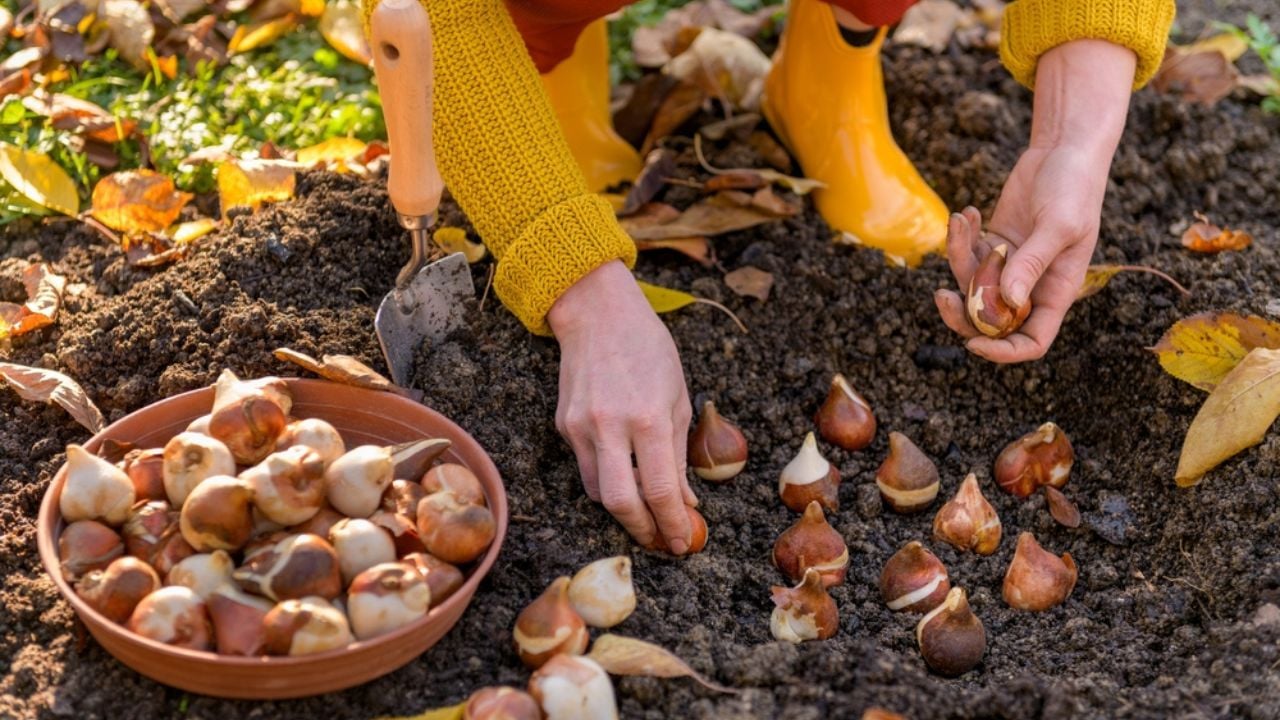
Image Credit: Shutterstock.
It might seem strange to plant flowers just as everything else in the garden is dying back, but that’s part of what makes fall bulb planting such a lovely family activity.
Tulips, daffodils, and crocuses are among the bulbs you can plant in fall in many climates. They spend the winter underground before emerging in spring. For children, it’s a wonderful lesson in patience and trusting that good things are happening even when we can’t see them.
Try this: Choose bulbs suited to your climate, follow the planting instructions for depth and spacing, and pick a spot with good drainage. Most traditional spring-flowering bulbs need a period of winter chilling, so gardeners in warmer climates may need pre-chilled bulbs.
When the flowers appear in spring, your kids will have something they helped grow from the very beginning. For more ideas, see these easy bulbs to plant in fall.
3. Organize a Scripture Scavenger Hunt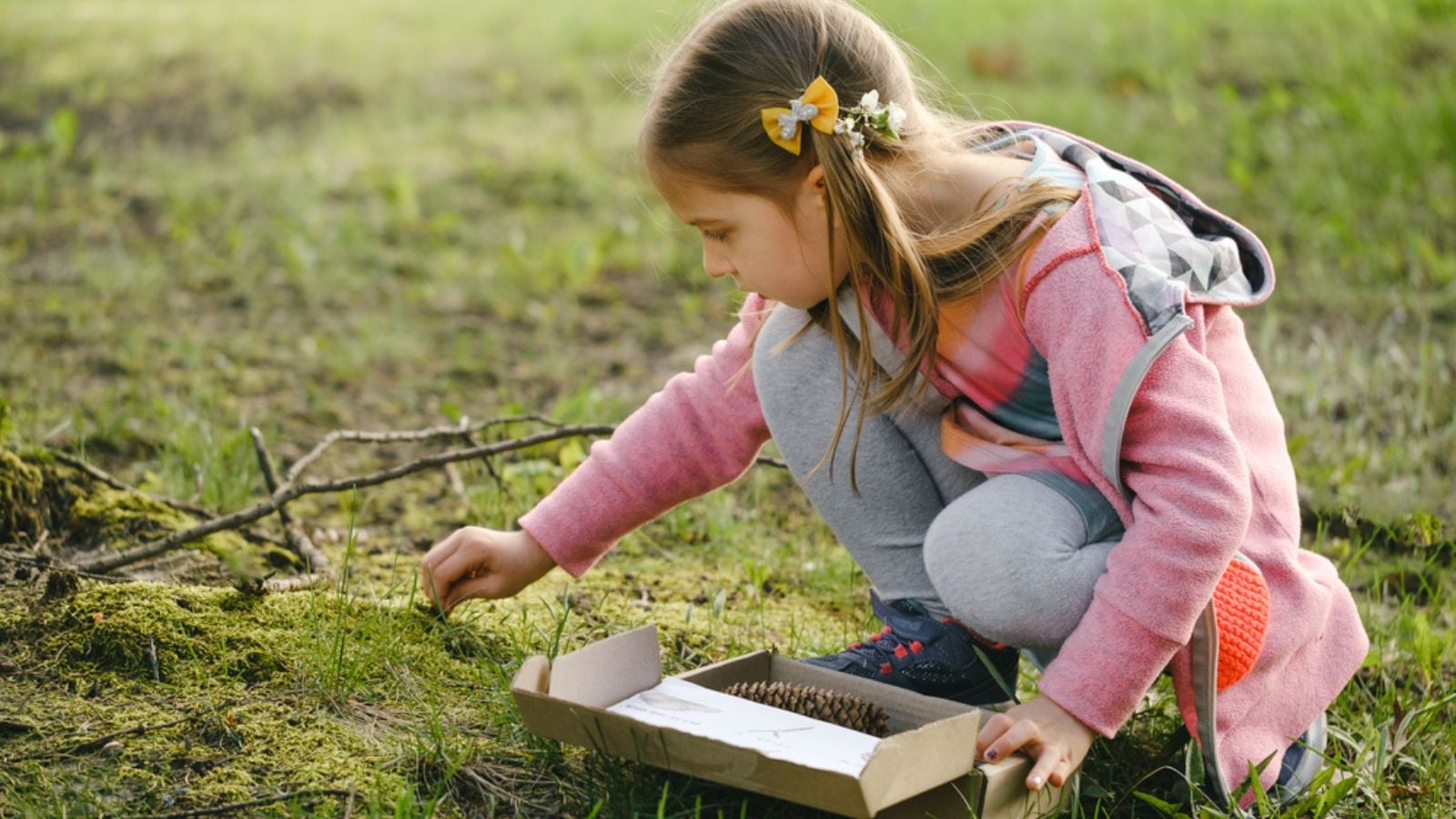
Photo Credit: Depositphotos.com.
If your kids have energy to burn, send them outside on a Scripture scavenger hunt with a little twist. Instead of searching for candy or Halloween decorations, have them look for things in nature that connect to Bible verses about creation, gratitude, and God’s provision.
For example, ask them to find a seed, a colorful leaf, something that provides shelter for an animal, or a tree that’s taller than they are.
Here’s an easy way to organize it:
Read Genesis 1:11 and look for seeds, plants, or trees.
Read Matthew 6:26 and watch for birds.
Read Psalm 104:24 and find something in nature that amazes you.
Read Psalm 107:1 and have everyone name something they’re thankful for.
Write clues on cards for older children or draw pictures for younger ones. At the end, gather everyone to share their discoveries. A mug of hot chocolate makes a pretty good reward, too.
4. Carve Pumpkins with a Purpose
Photo Credit: Depositphotos.com.
Pumpkin carving doesn’t have to mean scary faces and spooky designs. If your family enjoys the tradition but wants to give it a different meaning, try Christian pumpkin carving ideas that reflect your faith.
A cross, a heart, a dove, or a simple word like “Hope” or “Joy” can look beautiful when illuminated from inside. Younger children can decorate pumpkins with paint or stickers instead of carving them.
A fun idea: Make a few pumpkins for your front porch and let each family member choose a design. Use battery-operated LED lights to make them glow without worrying about open flames. Adults should handle any sharp carving tools.
And don’t throw away those pumpkin seeds! Rinse them, toss them with oil and seasoning, and roast them for a snack. You could even turn the project into a little garden lesson about whether a pumpkin is a fruit or a vegetable.
5. Make and Share Fall Treats
Image Credit: Shutterstock.com.
Baking is already one of the best parts of fall, especially when the house starts smelling like cinnamon and apples. But instead of making another batch of muffins just for yourselves, why not turn your baking afternoon into a little act of kindness?
Have the kids help make pumpkin bread, apple muffins, oatmeal cookies, or another favorite fall recipe. Then package up a few portions to share with an older neighbor, someone from church who’s been having a difficult time, or a friend who could use some encouragement.
Let the kids help: Younger children can stir ingredients or decorate gift bags, while older kids can measure, read recipes, and write notes. A simple message like “Thinking of you and hoping you have a wonderful fall!” is all you need.
Check for allergies or dietary restrictions before delivering homemade food. And if baking isn’t your thing, a basket of apples or another thoughtful gift works just as well.
6. Visit a Farm or Apple Orchard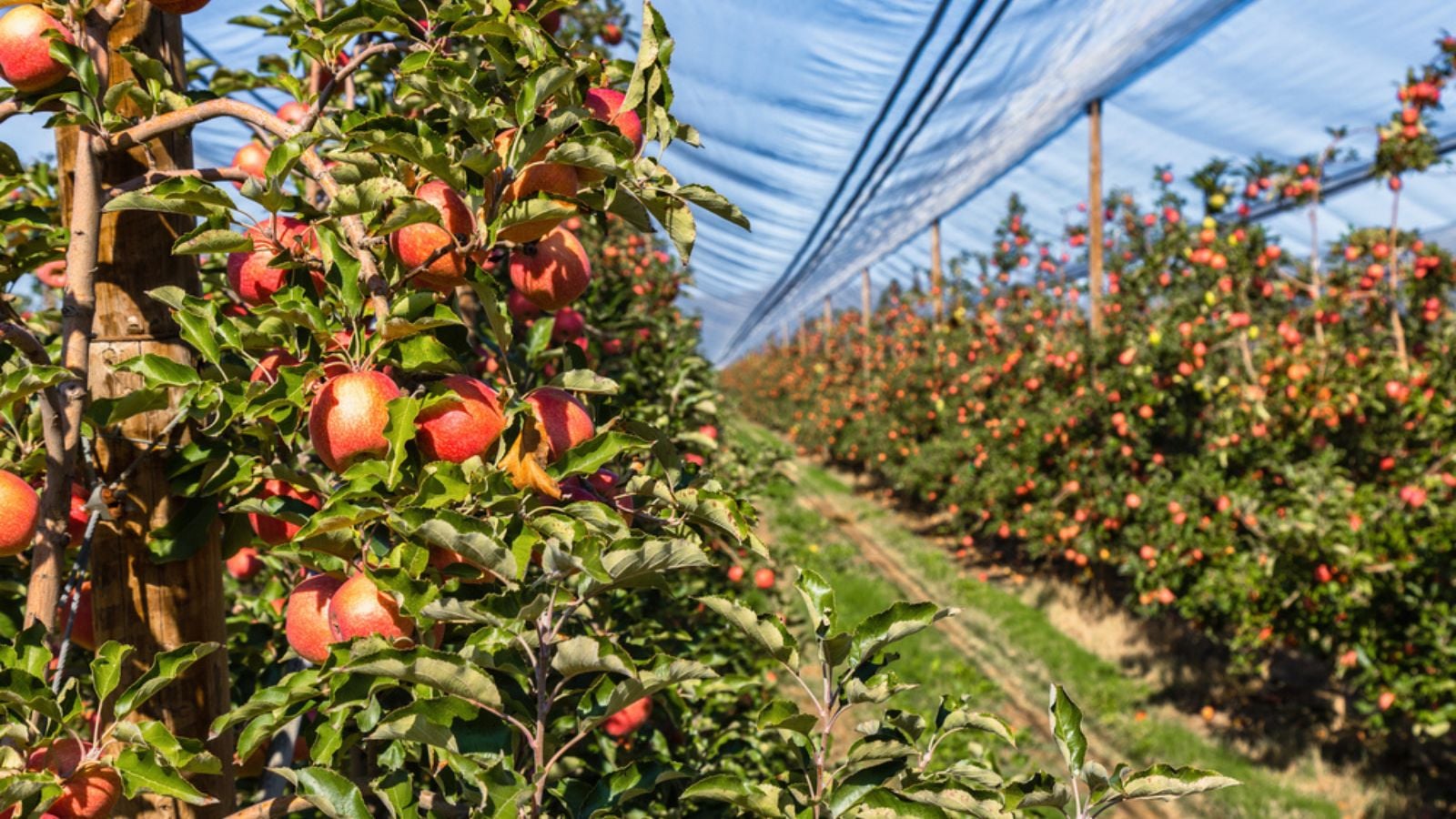
Photo Credit: Depositphotos.com.
You don’t need a big plan to make a memorable fall afternoon. Sometimes all it takes is a trip to a local orchard or farm.
Apple picking, pumpkin patches, hayrides, and corn mazes are fun ways to enjoy the season without participating in Halloween-themed activities. They’re also an educational experience: children get to see where their food comes from and appreciate the work that goes into growing it.
Before you go: Check the farm’s website or call ahead to see what’s available. Some farms focus on harvest activities, while others have Halloween attractions your family may prefer to avoid.
Let the kids choose apples or pumpkins and talk about how crops grow. When you get home, make applesauce or a pie with your harvest. You might even start a tradition of trying a new apple recipe every year.
7. Dress Up as Bible Characters
Image Credit: Shutterstock.com.
If your children love costumes but your family doesn’t participate in Halloween, why not plan a dress-up day of your own?
Let each child choose a favorite hero from the Bible and put together a costume using things you already have around the house. A bathrobe and a scarf can become a simple biblical outfit. A homemade crown works for Queen Esther or King David. A stuffed animal collection might even help Noah tell his story.
Add a storytelling twist: Once everyone is dressed, let each child tell the family a little about their character. Who were they? What did they do? What can we learn from their story?
You could invite a few friends over for a Bible character party, complete with snacks and games. The costumes don’t have to be elaborate; figuring out how to make them is half the fun.
8. Host a Faith-Based Film Night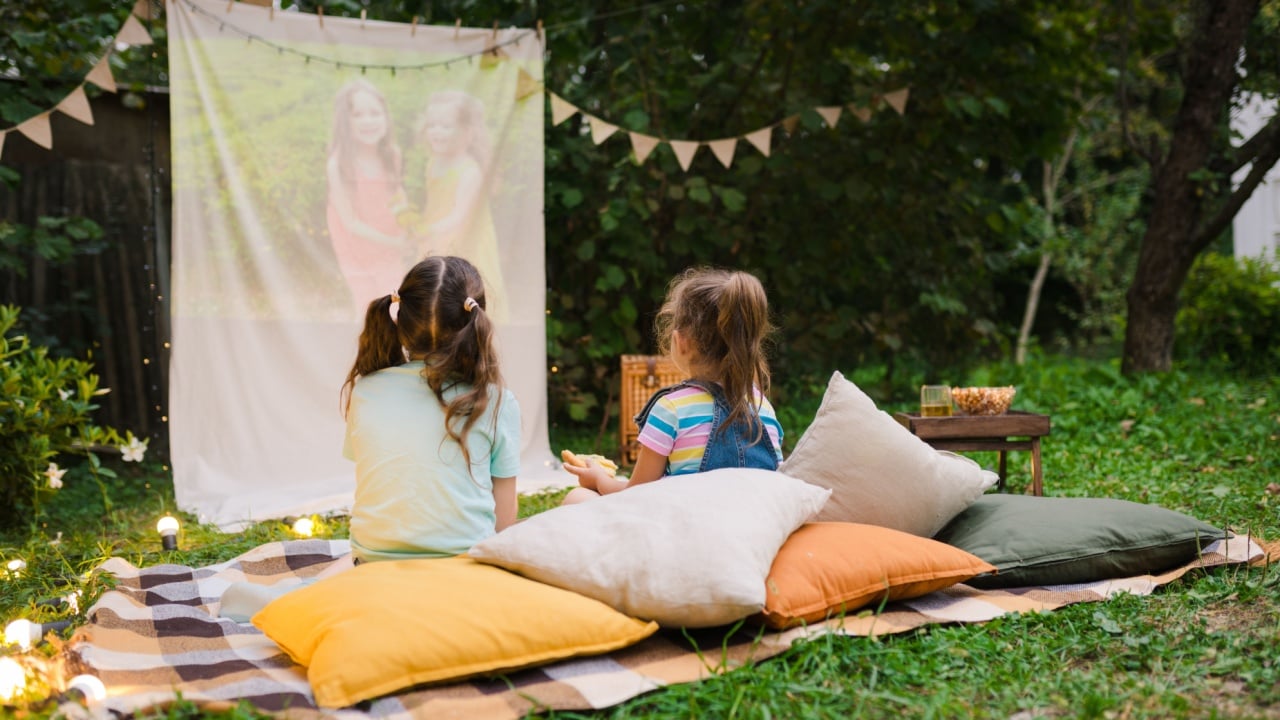
Image Credit: Shutterstock.
Not every fall activity needs to involve leaving the house. Sometimes a chilly evening calls for pajamas, popcorn, and a good movie night.
Choose a family-friendly film with themes of kindness, courage, forgiveness, or faith. It doesn’t necessarily have to be a Christian movie, as long as the story reflects values you’re comfortable discussing with your children.
Make it feel special: Build a blanket fort, bring out the pillows, and set up a snack station with popcorn, apple slices, and warm cider.
After the movie, ask everyone what their favorite part was or which character they admired most. You might be surprised by the conversations that follow. If the weather is mild and you have a projector, you could even move movie night outside. Just bring plenty of blankets!
Make Fall Traditions Your Family Will Remember
Choosing not to celebrate Halloween doesn’t mean your family has to miss out on the fun of autumn. There are so many ways to enjoy this beautiful season while keeping your faith and family values at the center.
You don’t need to organize all twelve activities, either. Pick two or three that sound fun, invite someone to join you, and see which ones your children enjoy most.
Maybe it’ll be the gratitude tree that comes out every October, an annual trip to the apple orchard, or a backyard campfire with friends. The traditions don’t have to be complicated or expensive to be meaningful. Often, it’s the simple things your children will remember long after they’ve grown up.
Comments are closed.