
In a region where flooding can turn streets into waterways, too little rain might seem like an unlikely concern. But the Lowcountry’s recent flooding has come during a year with far less rainfall than average.
As of Oct. 11, Charleston International Airport had recorded about 28 inches of rain for the year, compared with a normal total of 44.14 inches, according to the National Weather Service. That put rainfall 16.15 inches below normal.
For gardeners, those extremes raise a question: How do you create a landscape that can weather those changing rainfall conditions?

An award-winning front yard planted into gravel and with plants designed to fill in and thrive in harsh, droughty conditions.
Provided
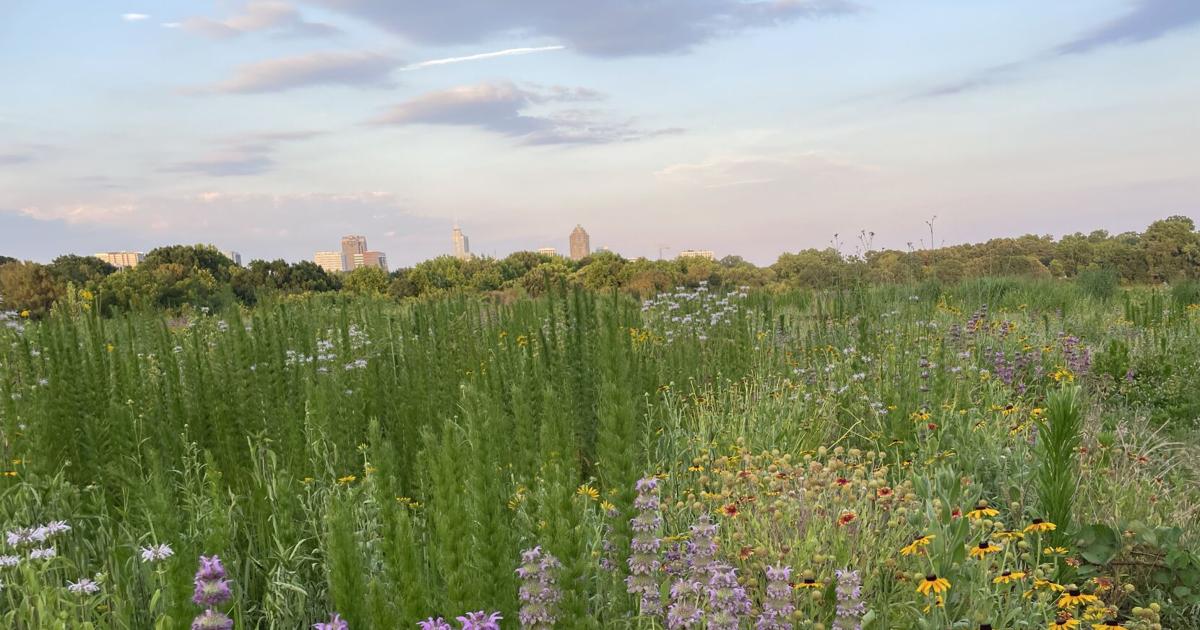
Landscape architect Preston Montague approaches that challenge by looking beyond individual plants to the way they function together. A garden can include species that perform well during drought alongside others that take over during wet periods, with a dominant plant providing structure through both.
The Durham, N.C.-based designer will explore those ideas at the third Beneath the Oaks symposium Oct. 15, ahead of South Carolina Native Plant Week, which runs Oct. 18-24.
Montague recommends deep-rooted grasses as a foundation for more sensitive plants in areas with sandy soils and a high water table. By drawing water from the soil, helping prevent erosion and creating sheltered growing conditions, grasses and other competitive perennials serve both their neighboring plants and visiting wildlife.
Montague describes their role as a kind of home within the landscape.
“They become ‘the house’ that shelters biodiversity during drought, stabilizes soils during flooding, and helps filter pollutants from stormwater,” he said.
Building that habitat requires attention to how plants fill the garden, from persistent cover that offers shelter to fruit, nuts and flowers that provide food.
“We’re beginning to understand that it’s not simply the presence of native species, but also their organization in the landscape, that encourages wildlife to visit and inhabit a garden,” Montague said.
Preston Montague’s award-winning 400 square foot front yard that he built his career off of.
Provided
For homeowners, putting those ideas into practice can begin within existing flower beds. He suggests introducing seed mixes of shorter plants that readily reseed, filling spaces between established plantings to increase diversity while preserving the garden’s overall structure.
His advice comes from experimenting in his own garden before applying those lessons to clients’ landscapes. At Beneath the Oaks, he will share what worked, what failed and how those experiences shaped his approach.
For Montague, designing a garden means considering how plants support one another and the wildlife around them — and how those relationships can help the landscape adapt when conditions change.
To explore those connections further, events surrounding South Carolina Native Plant Week will bring gardeners together for talks, a guided nature walk and practical advice on creating native landscapes. Upcoming events include:
Beneath The Oaks Symposium
4-8 p.m. Oct. 15 | Charleston Museum, 360 Meeting St., downtown
Breakout sessions explore native plant propagation, pollinator-conscious mosquito management and sweetgrass’s cultural significance. Landscape architect Preston Montague’s keynote begins at 7 p.m. Tickets are available at chashortsoc.org.
Pollinator Garden Community Build
1-3 p.m. Oct. 17 | 333 Seventh Ave., Mount Pleasant
Help Mount Pleasant Waterworks plant, mulch and water a native pollinator garden. The event is free and welcomes all ages and skill levels. Register online.
Botany Bay Field Trip
9:30 a.m.-noon Oct. 18 | Botany Bay Plantation Heritage Preserve and Wildlife Management Area, Edisto Island
Tom Austin and Kyle Foster lead a guided walk exploring coastal forests and the wildlife they support. Reserve your spot.
Native Plant Swap
Oct. 18 | Ashley River Park, 200 Renken Road, Summerville
Bring native plants, seeds or propagations to exchange. A Clemson Extension presentation introduces native plants and the park’s pollinator garden. Check Dorchester County’s event page for timing updates.
“Small but Mighty: The Extraordinary Caterpillar”
6 p.m. Oct. 19 | Terrace Theater, 1956 Maybank Highway, James Island
A documentary screening explores connections among native plants, caterpillars, birds and healthy ecosystems.
Waterworks and Wildflowers Plant Tour
9:30 a.m.-noon Oct. 20 | Henry Clay Duffie Water Resource Facility, 1619 Rifle Range Road, Mount Pleasant
Tour Mount Pleasant Waterworks’ wastewater treatment facility, laboratory and native plant gardens. Attendance is limited to 25; registration is required.
Native Plants, Caterpillars, and Healthy Ecosystems
11 a.m. Oct. 20 | Johns Island Library, 3531 Maybank Hwy.
Sharleen Johnson explains how native plants support caterpillars, butterflies, moths and songbirds.
Greenbelt Program Lecture
6:30 p.m. Oct. 20 | The Citadel’s Duckett Hall, 2 Jones Ave., downtown
Charleston County Greenbelt specialist Shelby Marincasiu discusses land preservation, conservation corridors and public access. The Native Plant Society event is free and open to the public. Additional information is available at scnps.org.
Nature in Focus: The Gathering Ground BioBlitz
11 a.m. Oct. 21 | The Gathering Ground, 4360 Betsy Kerrison Parkway, Johns Island
Identify plants and wildlife and record observations using iNaturalist.
Birds, Blooms, & Habitat
8 a.m. Oct. 22 | St. Christopher Camp and Conference Center, Seabrook Island
Kristina Wheeler leads a walk examining how native plants support birds.
Wildflower Meadow Walk
10 a.m. Oct. 23 | 5018 Kiawah River Drive, Johns Island
A guided meadow walk highlights native plants, landscape stewardship and wildlife habitat.
The Conservancy’s five programs are free; registration is required. Find event details and sign-up links at conservancyoftheseaislands.org and the links above.
Comments are closed.