
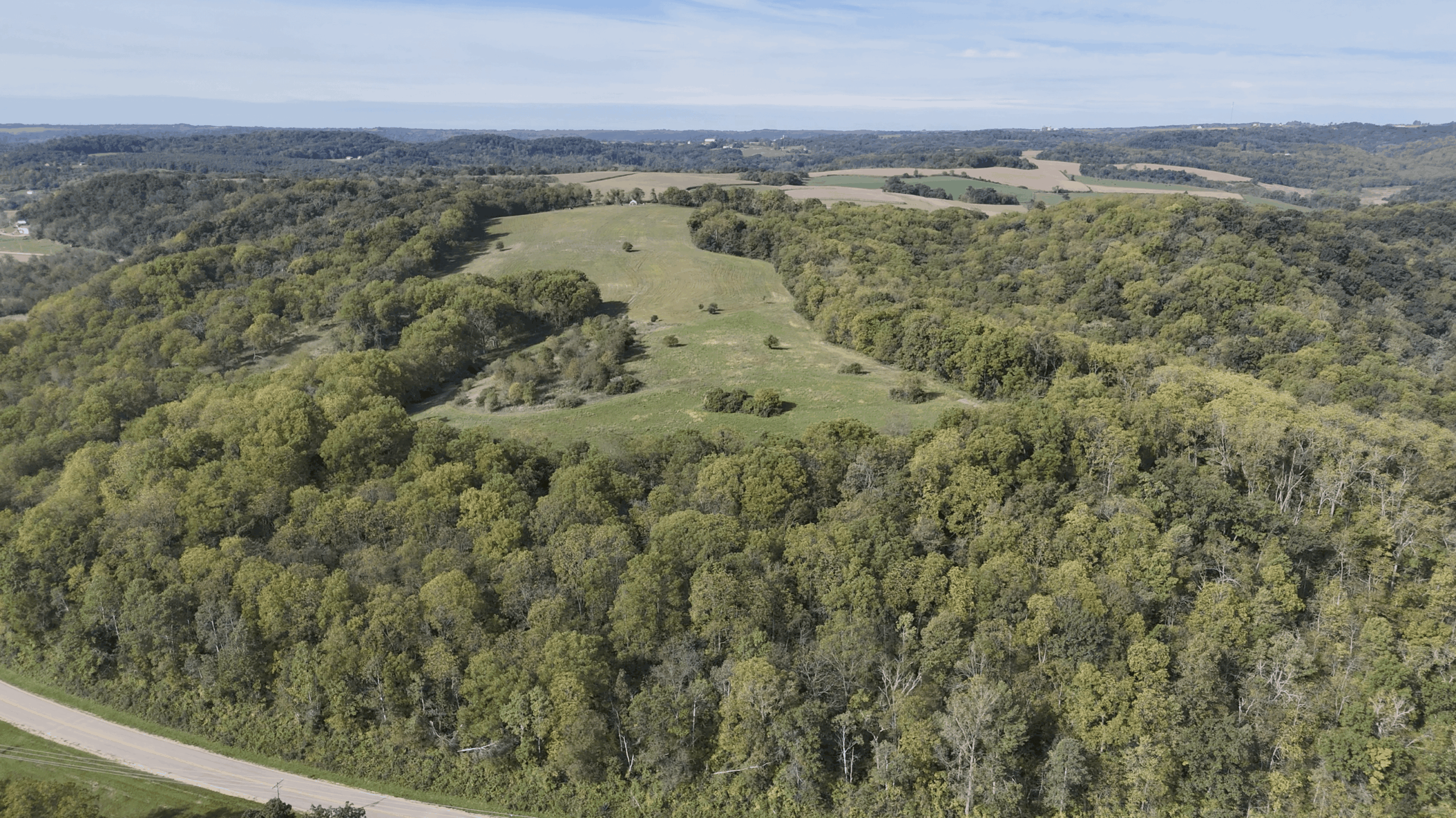

I’ve got about 100 acres in southwest Wisconsin, and roughly 65 acres is very hilly, black walnut-dominated woodland. We’re planning to break ground on our homestead in 3–4 years. For now, we’re working on land restoration and planning, planning, planning.
In addition to letting the walnuts grow for a potential timber harvest for future generations, I’ve been trying to figure out whether we could manage portions of the woods for food and other useful plants.
The main goal would be supplemental food for our family, with perhaps a small secondary income someday.
I’ve been geeking out lately about agroforestry and perennial food plants, especially their ecological benefits. Last weekend, our family visited the Savanna Institute’s demonstration farm in Spring Green, where they research tree and shrub crops and agroforestry practices suited to our region.
That visit got me excited about a few possibilities. I’d love to hear from people who have tried any of these—particularly in the Upper Midwest or in walnut-dominated woods. Also let me know if there are ideas I'm not considering yet but should.
Fruit and nut shrubs along the woodland edges
We’ve been removing invasive honeysuckle, which has me thinking about what we want growing in its place. In the sunnier woodland edges and openings, I’m interested in elderberries, black currants, aronia, hazelnuts, and other perennial food plants. Has anyone established productive berry or nut shrubs along a black walnut woodland edge? What has done well, and how much sun and ongoing maintenance did it need?
Managing patches for woodland food and useful plants
Edible mushrooms, walnuts, ramps, American ginseng, wild berries, maple trees, willow for basket weaving, and other edible, medicinal, and useful plants grow in our area. Some are already on our land, but not in abundance (well except for walnuts, LOL). I’m wondering about establishing or expanding a few managed patches that could eventually provide reliable supplemental harvests for our family. Have you successfully encouraged woodland food or useful plants this way? What was worth the effort?
Possible silvopasture for a family milk cow and companions
We’re considering a family milk cow with some company, probably 3-5 cows max. We have about 3–4 acres of open pasture field available (the rest we're converting to tall grass prairie, which is the centerpiece of our restoration efforts). Could thinning selected areas of woodland create additional rotational grazing space? I’m interested in whether that could fit with our woodland restoration goals and growing walnuts for future timber. Has anyone combined a small open pasture with managed woodland grazing on hilly ground? What would you assess before deciding whether it’s feasible—and what would make you rule it out?
We’ve got time to experiment before moving out there full time, so I’d appreciate advice on what to start now, what to learn more about, and what to leave as a daydream.
If you’re curious about the visit that sparked these ideas, I made a video of the Savanna Institute open house.
by IWantAHobbitLife
14 Comments
Man I got family near Spring Green, that Savanna Institute place is worth the trip for anybody still on the fence about this stuff. You picked good spot for what you’re doing
For the woodland edges I’d say elderberry is your safest bet, they handle some juglone from the walnuts better than most people think. Currants too but they want more sun than you might get in those shadier spots so put them where the canopy opens up. The hazelnuts I tried near black walnut and it was a mixed bag, some lived some didn’t, still not sure why
The mushroom angle is slept on for walnut woods, shiitake logs basically pay for themselves if you got the time to manage them. Ramps are slow but once they take hold they just keep spreading, worth planting a patch now so it’s ready when you move out there
That aerial shot makes it look like you got enough clearing already to not need thinning too much for the cows, 3-4 acres plus some managed woods could work if you rotate tight. The steep parts gonna be problem though, cows and hills are not great combo for the land or their legs
I don’t have the land to try this yet, but since you brought up Silvio pasture – have you thought about sheep and/or chickens for rotation through the silviopasture?
Make walnut syrup
I would grow and harvest deer.
Beauty and serenity. ROI is priceless.
Grow? Nothing.
I’d get my pilot’s license and make that thing into a dirt strip. It looks like it’s sloped perfectly for a unidirectional runway, and long enough for light craft.
Fly in and fly out of your beautiful hilltop home.
You’re not growing much in the way of food anywhere near those walnuts, but I suspect you already know this. I have a few walnuts on my property and they heavily influence where I plant fruits and veggies.
Pawpaws and mullberries are native where walnuts grow and work well along the tree lines. Other than that, I keep everything in raised beds or 100+feet away from the walnuts.
A quick Google search of juglone tolerant plants will give you a indication on what to grow. Personally, like I said, my pawpaws and mulberries do well. I have personally stunted apple trees and killed quite a few raspberries (even thought hey are supposed to be semi-tolerant).
Ginseng
Pawpaws along streams and edges. They tolerate juglone.
I have a black raspberry patch that is thriving right under a walnut tree.
Pecans might work for you too since they are related to walnuts. There are northern hardy varieties
Beautiful. Have fun experimenting and keep your deer managed.
Can confirm elderberries, mulberries, and black raspberries grow just fine around my walnuts. That said, don’t put walnut trees anywhere near your house. They’re a mess, and drop something all year round.
Native edibles will do better, as many have evolved some juglone tolerance.
For fruit-bearing, I’d look at pawpaw, American elderberry, American persimmon, Missouri gooseberry, American blackcurrant, native grapes (e.g. Concord, Norton), black raspberry, American hazelnut, wild plum, & serviceberry.
The European variants of the above do not have those same resistances, and will not be as tolerant.