
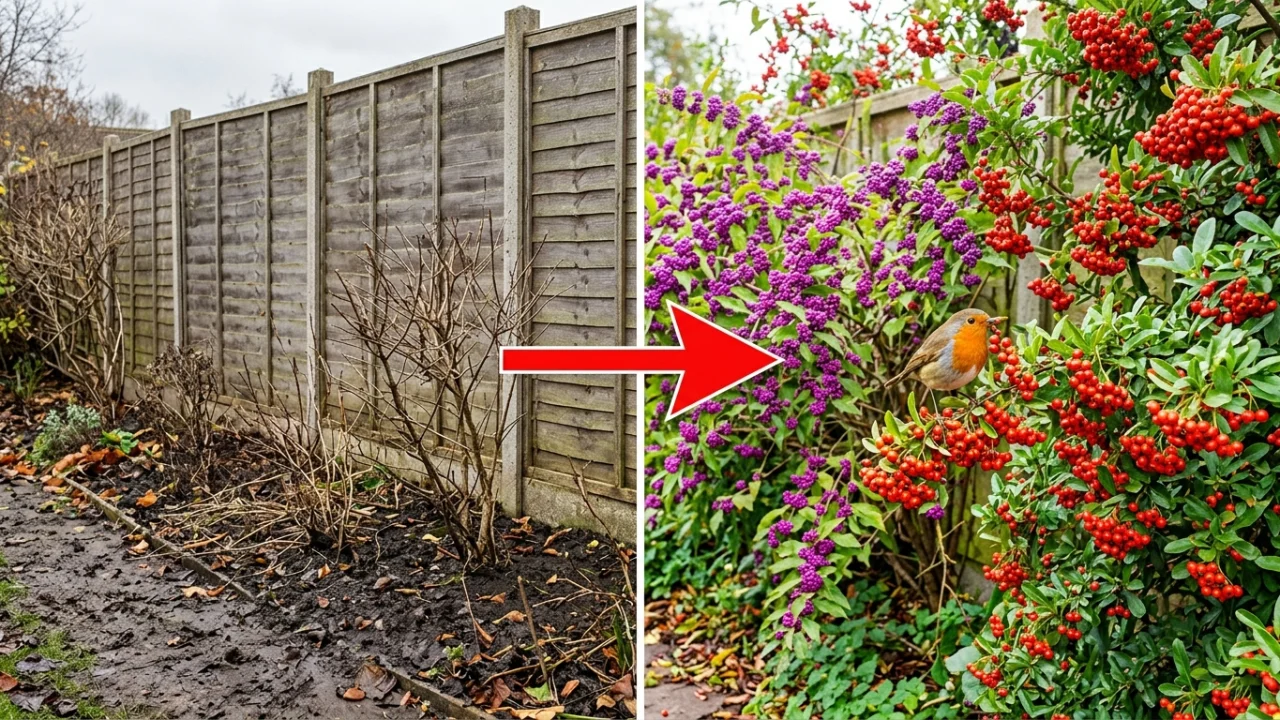
Gardening expert Alan Titchmarsh recommends planting two specific berry-producing shrubs—Callicarpa (beautyberry) and Pyracantha (firethorn)—to provide critical sustenance for robins, sparrows, and other wild visitors as temperatures plunge. As daylight dwindles and natural forage diminishes, local wildlife requires significantly more calories simply to maintain core body heat and survive inclement weather.
The veteran horticultural broadcaster shared these plant choices to help homeowners transform their outdoor spaces into functioning sanctuaries. Autumn represents a major seasonal turning point, making intentional shrub placement one of the most effective strategies for long-term ecological support.
“Berry plants like Callicarpa, the beautyberry, are loved by robins and sparrows. So too is evergreen edging shrub Pyracantha Firethorn with its vibrant orange, yellow, or red berries.”
While these plants deliver abundant nourishment to feathered visitors, establishing them safely requires an understanding of their botanical traits and practical precautions.
Two Key Shrubs to Attract Robins and Sparrows
Adding cold-hardy, fruit-bearing plants establishes a self-sustaining feeding station that outlasts traditional seed feeders through the harshest weeks. By introducing Callicarpa and Pyracantha, gardeners create dense physical cover alongside a natural buffet.
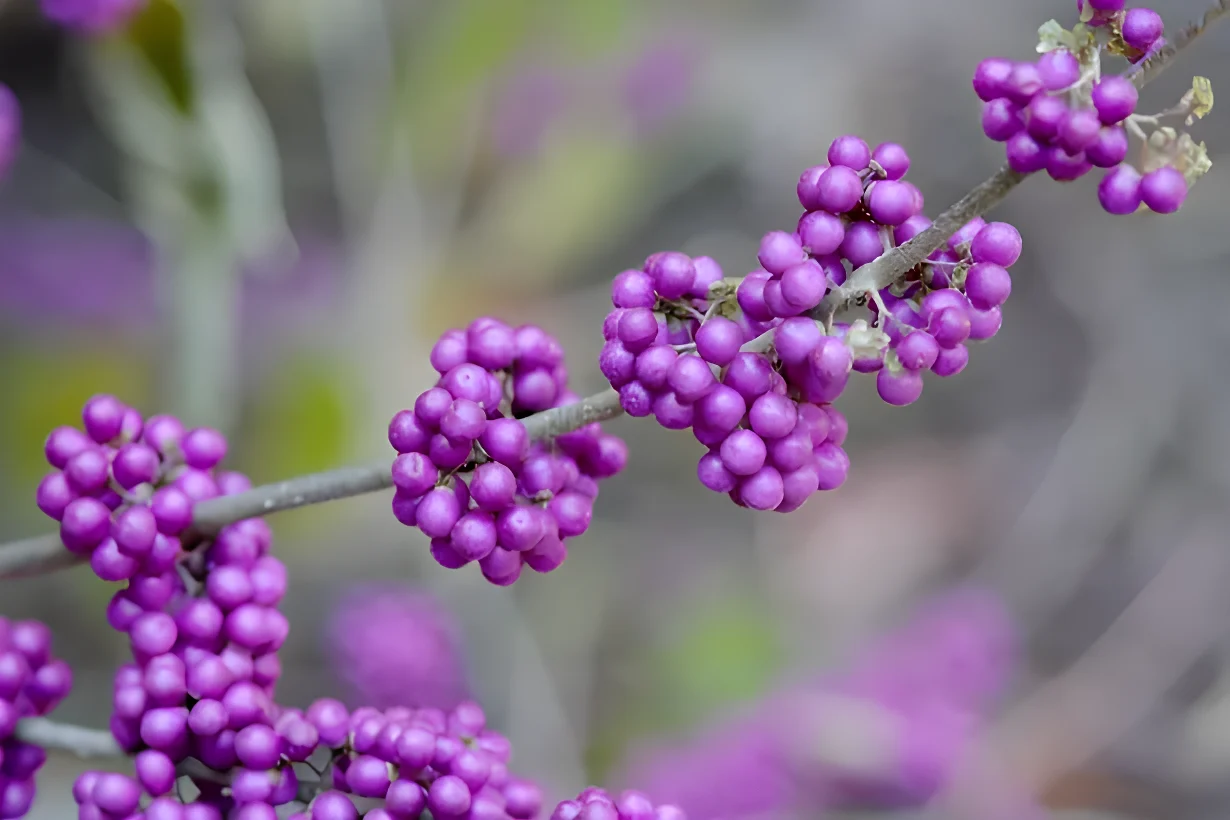
Callicarpa bodinieri profusion. Selective focus.
Callicarpa, commonly known as beautyberry, produces dense clusters of vivid purple berries during autumn and can reach heights of up to 2.5 meters (over 8 feet). Its distinctive fruit makes it an outstanding visual anchor in the landscape while serving as a reliable fuel source for foraging flocks.
Equally valuable is Pyracantha, or firethorn, an evergreen hedge prized for producing prolific yields of bright red, yellow, or orange fruit. Its thick, thorny growth pattern doubles as an impenetrable barrier that shelters smaller species from wind, freezing rain, and ground predators.
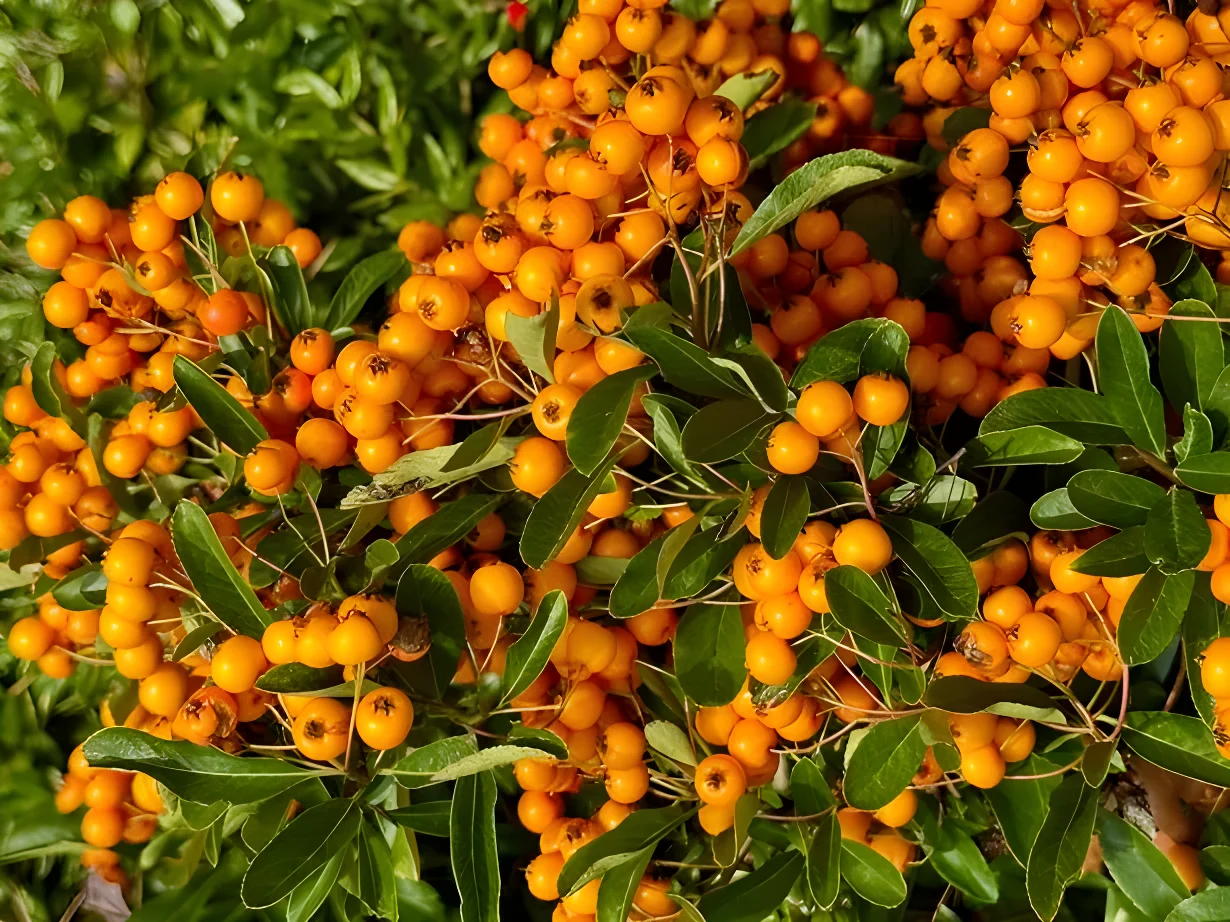
Scarlet firethorn (Pyrancantha Coccinea) shrub with orange berries do in close up
Essential Safety Cautions from Horticultural Authorities
Despite their ecological value for avian diets, these ornamental berries carry clear domestic warnings. The Royal Horticultural Society (RHS) has issued strict guidance highlighting that the fruits produced by both Callicarpa and Pyracantha are purely ornamental and toxic for household consumption.
Growers should handle both species with appropriate care:
Wear durable gardening gloves and protective clothing when planting or pruning to prevent skin irritation and punctures.
Ensure curious young children do not ingest the ornamental berries.
Prevent domestic pets, including dogs and cats, from browsing the fruit, consulting standard veterinary toxicity guides if accidental ingestion occurs.
Supplemental Energy Sources for Foraging Songbirds
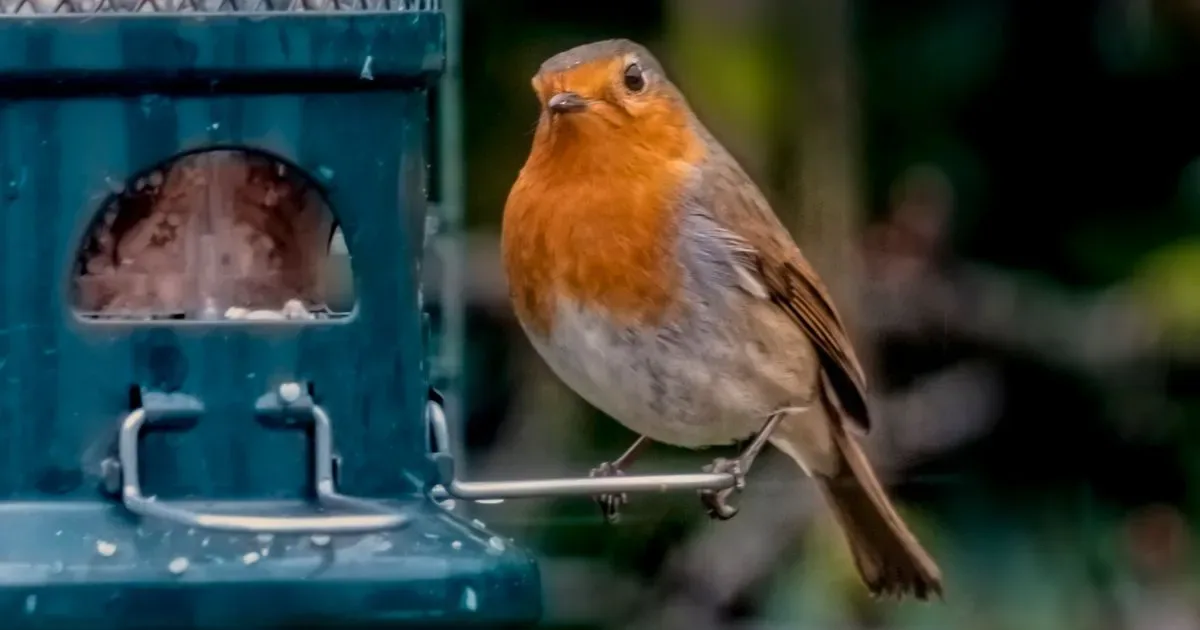
While fruiting shrubs provide ongoing nutritional resilience, supplemental offerings bridge urgent caloric deficits during extreme cold snaps. Ground-foraging varieties like robins actively search for dense lipids and proteins when frozen soil limits access to soil invertebrates.
“Suet balls are a firm favourite, with their high-fat, high-energy content, they’re not only appealing for robins, but essential to support their physiology and carry them through the harsh winter months.”
Expert recommendations highlight specific food groups to supplement natural foliage and hedge plantings:
Live and Dried Invertebrates: Offering mealworms and earthworms mimics natural foraging habits and delivers immediate protein.
High-Energy Suet: Rich fats provide dense fuel necessary for tiny songbirds to maintain rapid metabolic rates overnight.
Fresh and Dried Fruits: Slices of apples, pears, and dried fruit supply critical dietary fiber along with essential vitamins A, C, and E to reinforce feather health and immune function.
Comparing Winter Bird Resources in the Garden
Balancing natural shrubs with supplemental feeder items creates a resilient environment throughout shifting weather patterns.
Food Resource
Primary Wildlife Benefit
Callicarpa (Beautyberry)
Plentiful purple autumn berries and vertical structure for foraging.
Pyracantha (Firethorn)
Dense evergreen windbreak protection and heavy yields of red, yellow, or orange fruit.
Suet Balls
High-fat fuel essential for maintaining core body temperatures during deep freezes.
Apples & Pears
Key fiber and vitamins A, E, and C supporting immune resilience and healthy plumage.
Earthworms & Mealworms
Easily digestible animal protein that mirrors ground-level natural prey.
Cultivating a diverse yard equipped with fruit-bearing wood and caloric supplements ensures that backyard wildlife remains resilient until spring arrives.
💡 Which berry-producing shrubs thrive best in your outdoor space?
🔍 Leave your thoughts in the comments below and tell us which species frequent your yard this season.
👇 Share your experiences with us to help fellow wildlife enthusiasts support their local birds.
Comments are closed.