
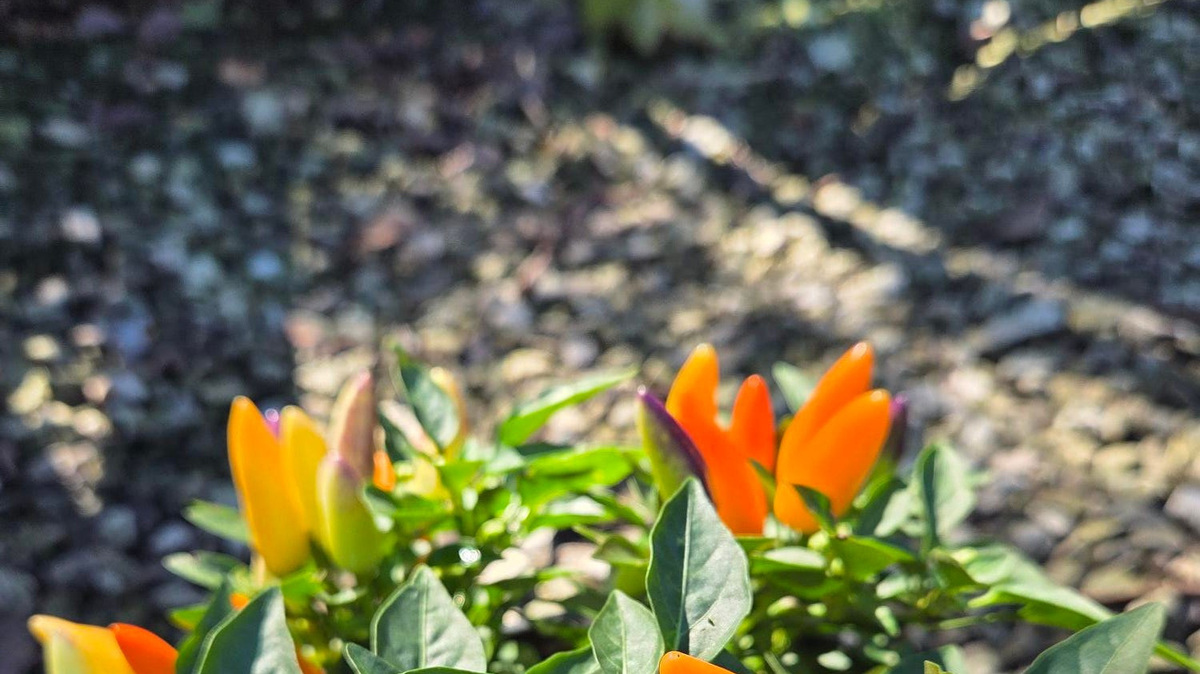
Ornamental peppers feature a variety of different colored fruit.
Provided by OSU Extension
USA TODAY Network, Reuters
I love gardening in autumn for several reasons, including cooler temperatures, fewer insect and disease pests and in recent years, a greater variety of different plants available for purchase during this short season, when heat and sunlight are in decreasing supply for the gardener.
Years ago, if you wanted to purchase flowering plants in fall to replace flowering annuals and perennials which had passed their peak and were quickly headed to the finish line for the season, your choices were typically limited to hardy mums and asters. Today, most garden centers have expanded options for gardeners seeking fall color and offer an array of different flowering plants, which make interesting additions to the landscape or front porch for autumn.
Ornamental peppers are hot
One plant that has increased in popularity and availability in fall is the ornamental hot pepper (Capsicum annuum). This annual plant really shines in autumn with small colorful fruits. For many years, these plants have featured small chili-shaped peppers in different shades of fall colors such as orange, yellow and red.
Now, thanks to plant breeding, you can find ornamental pepper plants with different shaped and size fruits in colors such as purple, white and even black, perfect colors for your Halloween decorations. Like edible peppers, ornamental peppers change color as they ripen, so you may see several different colored fruits on the same plant.
Some ornamental pepper varieties have different colored foliage including variegated or striped leaves, and some varieties have purple-colored foliage.
Ornamental peppers are typically grown outdoors as annuals in Ohio. These upright, mounded plants produce small white flowers in summer, which give rise to small brightly colored peppers that can last through fall. These plants can be grown in containers or in the ground. These plants are especially striking when planted in mass and can also serve as a border plant.
While most gardeners purchase a few of these plants at garden centers in early autumn, plants can be grown from seed when planted in warm soil in early summer. For many years, my 92-year-old mother-in-law who is an avid gardener has planted ornamental pepper seeds in her flower beds in western Ohio. She saves seeds from her plants in late fall and scatters them as a border planting in flower beds the following spring.
The result is a striking display of plants with fruits of different colors which shine when flowering annuals such as petunia, begonia and others have faded.
Cultural requirements for ornamental peppers
For the most vivid colors and number of fruits, ornamental plants should be grown or placed in full to partial sun locations. These sunny locations will also extend the season for these warm-season plants. These plants grow to an average height of 12 to 18 inches with a width of 12 to 14 inches. Space plants 8 to 10 inches apart when planted in the landscape in soils with a slightly acidic pH of 5.5 to 6.0.
When planting seeds of ornamental pepper, fertilize with a complete fertilizer at planting and then again at a half-rate in early August. These peppers are somewhat drought tolerant but will fare better when irrigated during stretches of dry weather.
Ornamental pepper plants purchased as container plants in early fall should not need to be fertilized, but will need frequent watering, especially if left in containers for display, as opposed to transplanting into beds.
Ornamental peppers are edible
Although ornamental and edible peppers belong to the same genus of plants (Capsicum), they do have differences, particularly in taste. Ornamental peppers are edible but generally have a bitter, flat and spicy taste, very different from edible peppers of different levels of heat which you might grow in your vegetable garden. And ornamental peppers taste nothing like sweet peppers.
While you can incorporate ornamental peppers into fresh salads and cooked dishes, only those individuals who enjoy eye-watering spice and heat levels will be happy that you have done so. These fruits make festive garnishes for various fresh and cooked dishes, sparing diners from the spice and heat associated with consumption.
Peppers do not tolerate any frost
While other fall plants such as hardy mums and asters might be able to withstand some light frost, ornamental pepper plants are easily killed by even the lightest of frost. When frost is expected, cover ornamental peppers planted in the ground and move plants in containers to a sheltered location.
However you grow ornamental peppers, enjoy their vibrant colors and distinctive shapes while they last this fall.
Mike Hogan is Extension Educator, Agriculture & Natural Resources and associate professor with Ohio State University Extension. He can be reached at hogan.1@osu.edu.
This article originally appeared on The Columbus Dispatch: Ornamental peppers are fall’s hottest garden trend in Ohio
Reporting by Mike Hogan, Special to The Columbus Dispatch / The Columbus Dispatch
USA TODAY Network via Reuters Connect
 Some varieties of ornamental pepper feature purple foliage and round fruits. Provided by OSU Extension USA TODAY Network, Reuters
Copyright Reuters or USA Today via Reuters Connect
This story was originally published October 3, 2026 at 5:01 AM.
Comments are closed.