
This is one of the times of the year when fertilization and weed control are especially important.
If your lawn received adequate irrigation and sunlight this summer, it is probably lush and green and will benefit from an application of fertilizer. In spring, we would recommend a slow-release 19-05-09 fertilizer. In autumn, however, shorter days change the lawn’s chemistry, so it will benefit more from a fast-release, high-nutrient 18-6-12 fertilizer. The grass will quickly absorb and store these nutrients in its root system, then use them for green-up and a growth spurt in early spring.
If your lawn did not receive adequate moisture or sunlight to produce a strong lawn, it may be best to focus more on weed control than fertilization. Reduce the growth of weeds such as bedstraw, dandelions, henbit, thistle, rescue grass, annual bluegrass, chickweed and beggars’ lice by considering using preemergent such as Crew, Dimension or Barricade. Make your preemergent selection after considering your lawn’s weed history and studying the herbicides’ labels to determine which product will best address your weed situation. Also consider the cost of the products and input from your landscape advisor or nursery person.
If the lawn is not getting enough sun to produce an attractive lawn, consider shifting from Bermuda, St. Augustine or zoysia grass to a shade-tolerant groundcover such as Asian jasmine, dwarf ruellia, English ivy, mondo grass, ajuga and liriope. If the problem is a water shortage, you may want to rely on weed mowing until the drought is broken.
For special weeds such as nutsedge in the lawn or even in the flower bed, utilize a product such as Sedgehammer. For grassy weeds such as Bermuda grass in the vegetable or flower garden, consider using Monterey Grass Getter, High Yield Grass Killer or Fertilome Grass Killer Over the Top II, all of which are labeled for grassy weed control in the vegetable garden.
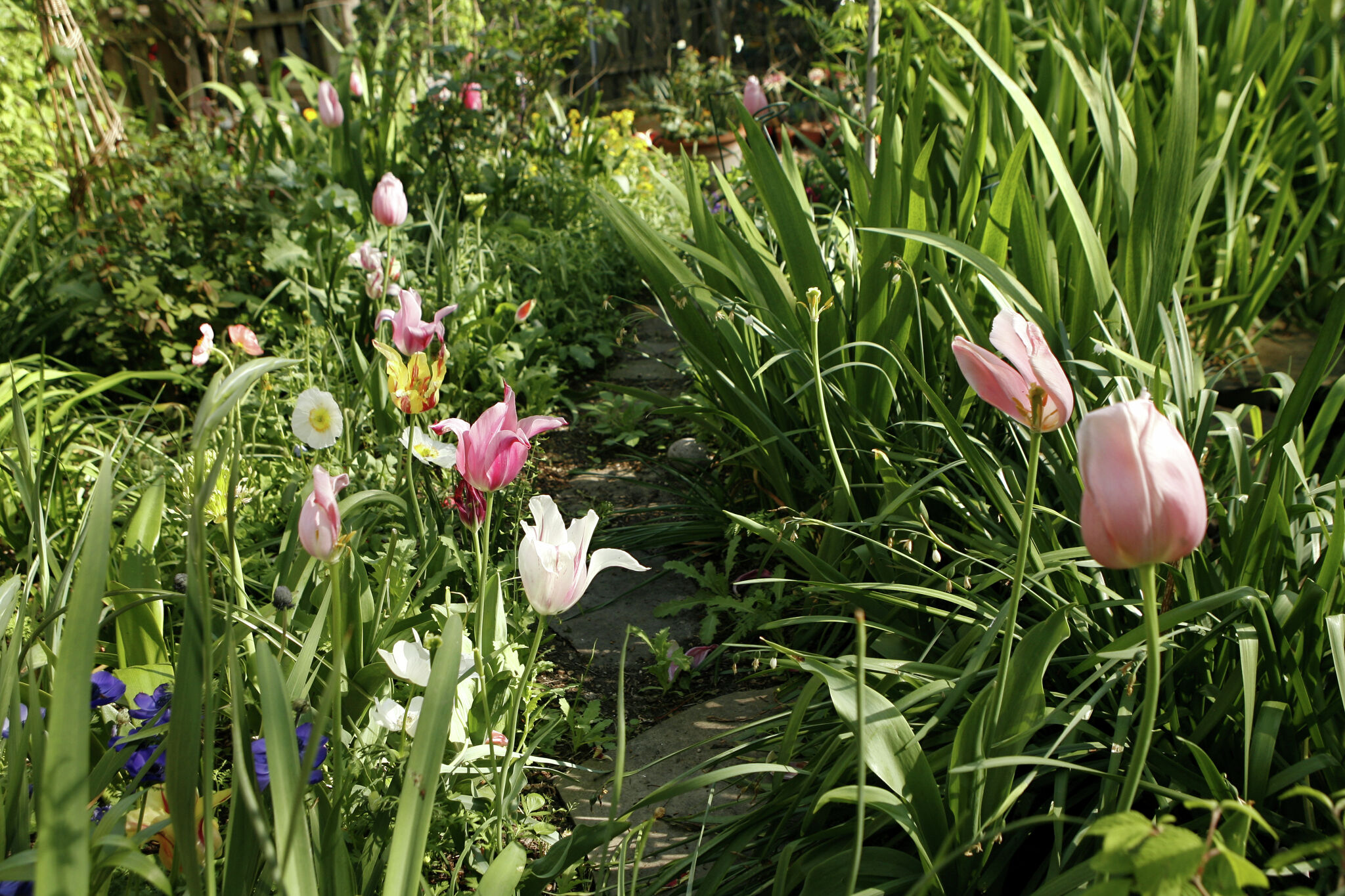
Autumn offers many gardening opportunities in the area. One of the easiest and most interesting is spreading wildflower seeds for spring blooms. Start by identifying a portion of your landscape with open ground where the seeds can make contact with the soil. Depending on the seed species, the open ground can be in the sun or shade. Rake away any organic material that might prevent the seeds from reaching the soil. The keys to success are selecting the right seed species and spreading them so the seed makes contact with the soil. Spread the seeds in October or November.
Ideally, spread the seeds before a generous rain, but you don’t need to apply any irrigation. One of the neat things about wildflower seeds is that if they don’t grow in year one because of a lack of moisture or other reason, they will grow in year two or sometime in the future. And some of seed will usually be happy with the setting and reseed themselves year after year.
Appropriate wildflower mixtures for a location are usually available at your favorite nursery, or you can order them from an online seed source such as Wildseed Farms in Fredericksburg, Douglas King Seed Co. in San Antonio or Native American Seed Co. in Junction. Three seed mixes I have had good success with are the Oklahoma/Texas mix, butterfly mix and pollinator mix.
Another way to select seed is to obtain it by individual variety. Using this method, you can plant your favorite flowers or even your favorite colors. Blue curl grows in sun or shade and so does Salvia coccinea, which has a red tubular flower. Another interesting species is frogfruit, which features a globular mound shaped white flower and is only 6 inches tall.
Comments are closed.