
Fall brings familiar lawn and garden jobs like reseeding thin turf, planting bulbs, cleaning up beds, and preparing for winter. For many people, lime is also a part of the fall lawn-care routine.
But lime is not something every lawn or garden needs every year. When soil is too acidic, limestone can be very helpful. However, when the soil pH is already suitable, adding more lime provides no additional benefit and can eventually push the pH too high. Whether you should lime this fall depends less on the season than on whether your soil actually needs it.
What lime actually does
Limestone is used primarily to raise soil pH. Soil pH describes how acidic or alkaline the soil is, with pH 7 considered neutral. Values below 7 are acidic and values above 7 are alkaline. Soil pH affects nutrient availability, root growth, and the activity of many soil organisms.
Many Connecticut soils are naturally acidic. Rainfall gradually leaches calcium and magnesium from soil, making it acidic. Some fertilizer practices can also increase soil acidity over time. Limestone neutralizes some of that acidity while supplying calcium and, depending on the type of limestone, magnesium.
Invasive or aggressive? Why the difference matters in your CT garden
Most lawn grasses and common vegetables perform best in slightly acidic soil, typically around pH 6 to the mid-6s. However, there is no single ideal pH for every plant. Blueberries, rhododendrons, azaleas, and several other plants prefer more acidic conditions. Applying lime simply because the rest of the yard receives it can make the soil less suitable for these plants.
That is why the target pH should be based on what you are growing.
Moss does not mean “add lime”
One of the most persistent lawn-care myths is that moss automatically means the soil is too acidic. Moss can grow well in acidic soil, but it also thrives in shade, wet or poorly drained soil, compacted areas, and thin turf where grass struggles to compete. A shaded, damp lawn may have moss even when its soil pH is perfectly acceptable.
Adding lime without checking the soil may therefore do nothing to solve the real problem. If the lawn is heavily shaded, compacted, or poorly drained, those conditions still need to be addressed.
The same principle applies when grass looks weak or vegetables struggle. Poor plant growth does not by itself indicate a need for lime. Problems with drainage, compaction, nutrients, watering, roots, insects, or disease can produce similar symptoms.
How much lime?
Knowing the soil pH is important, but pH alone does not always tell you how much limestone to apply. Two soils with the same pH may require different amounts of lime to reach the same target. Soil texture, organic matter, and the soil’s ability to resist changes in pH all influence the lime requirement. Many laboratories use a buffer test to estimate this resistance and then calculate a lime rate based on the target pH for the plants being grown. This is why a laboratory soil test that provides a lime recommendation is more useful than simply checking pH with an inexpensive home meter.
Applying less than the recommended amount may not raise the soil pH enough to reach the desired range, while over-liming can push soil pH too high and reduce the availability of nutrients such as iron, manganese, and zinc.
Limestone works gradually, and how quickly it changes soil pH depends partly on particle size, soil conditions, and how the material is applied. It may take six months to a year, or longer, to reach its full effect
Calcitic or dolomitic?
Garden centers commonly sell both calcitic and dolomitic limestone. These terms describe the limestone’s composition. Calcitic limestone primarily supplies calcium, while dolomitic limestone supplies both calcium and magnesium. If a soil test shows low magnesium, dolomitic limestone can correct soil acidity while also supplying magnesium. If magnesium is already high, calcitic limestone may be the better choice.
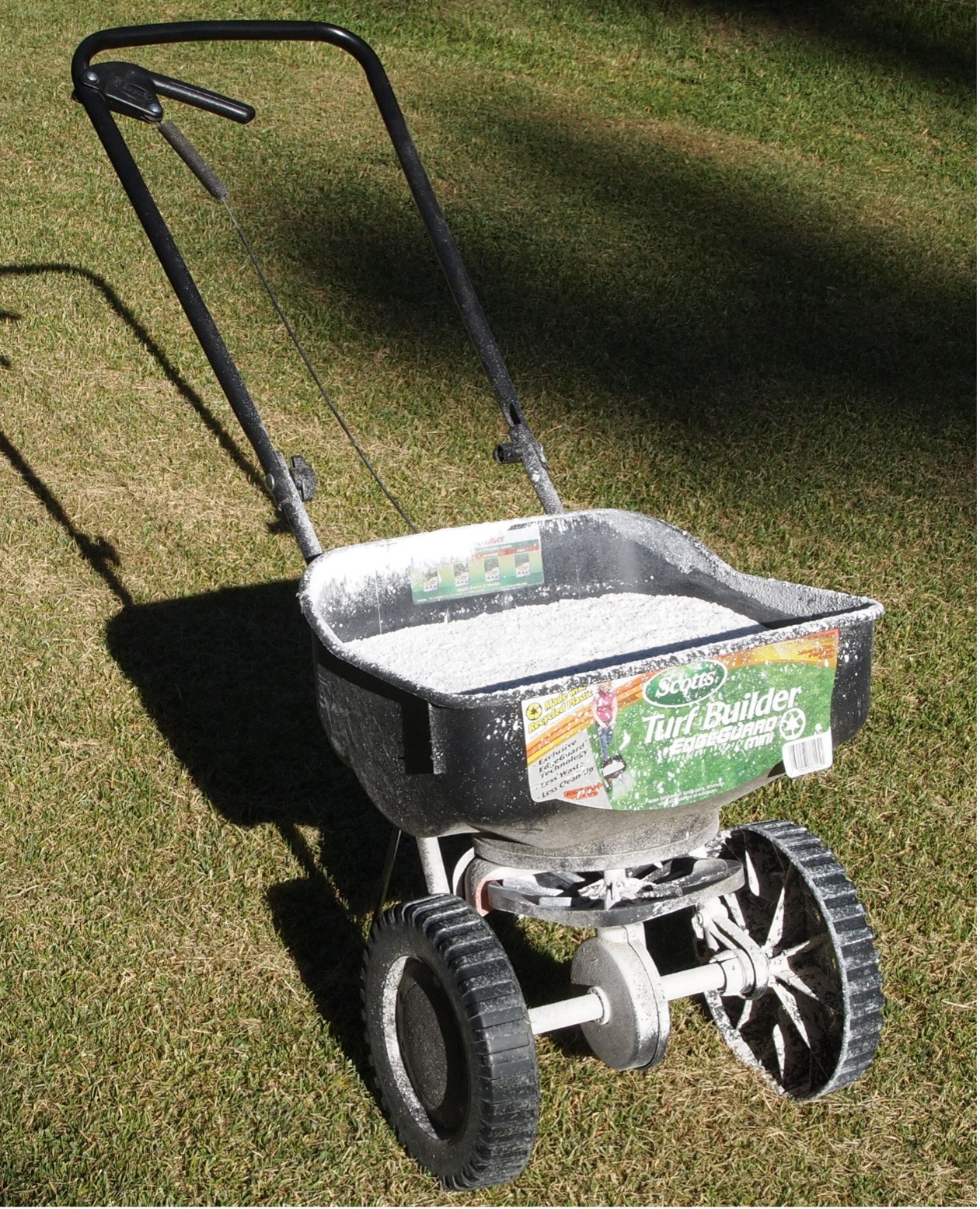
Limestone can also come in different physical forms. Both calcitic and dolomitic limestone may be sold as ground or pelletized products. Pelletized lime is easier and less dusty to spread because finely ground limestone is formed into pellets. Once wet, the pellets break apart, releasing fine particles that react with the soil.
Is fall the best time?
Fall is a good time to apply limestone, especially to lawns, because soil moisture is usually adequate and the material has time to begin reacting before the next growing season. However, lime can also be applied at other times of year when conditions are suitable.
For a new lawn or vegetable garden, lime can be mixed into the soil before planting if a soil test recommends it. On an established lawn, it is usually applied to the surface and allowed to react gradually.
The key is to base liming on a soil test, not the calendar. Test the soil, consider what you plan to grow, and, if lime is recommended, apply the appropriate type and amount.
The UConn Home Garden Education Office at the George Leigh Minor Plant and Soil Health Center supports UConn Extension’s mission by providing answers you can trust with research-based information and resources. For gardening questions, contact us toll-free at (877) 486-6271, visit our website at homegarden.cahnr.uconn.edu, or reach out to your local UConn Extension center at extension.uconn.edu/locations.
Comments are closed.