
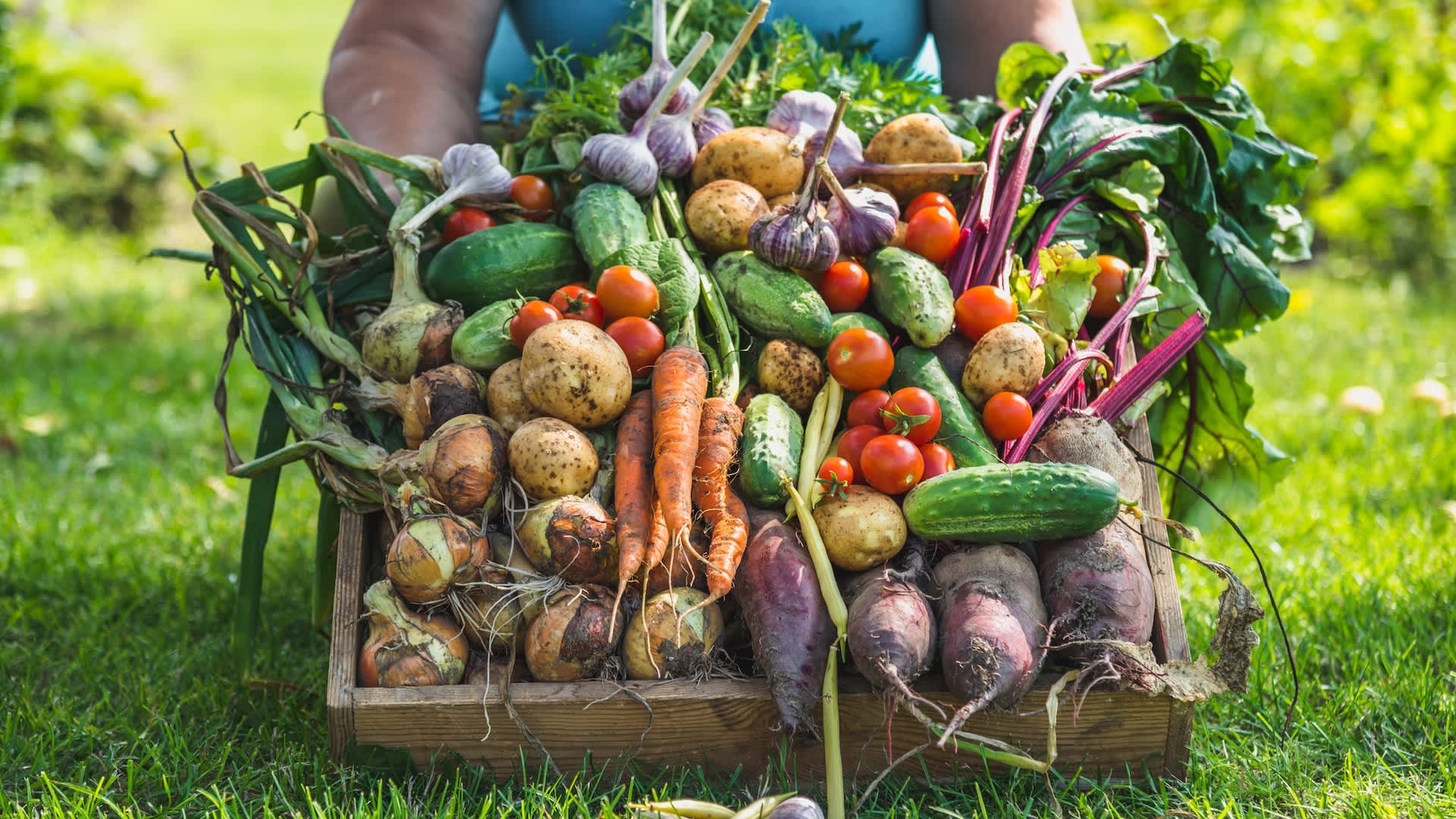
In Texas, one modest front-yard raised bed became the starting point for a much larger idea: neighbors using home gardens to grow produce and share it at no cost.
Since starting in Austin in 2012, the concept has developed into an open-source movement, with everyday yards serving as places for fresh produce, neighborhood connection, and some relief from grocery costs.
Here’s what to know
An Instagram post from Localize – Farmers Market (@localizefood.app) said, “A man in Austin built a single raised garden bed in his front yard in 2012 and invited neighbors to take whatever grew there for free.”
From there, the idea quickly expanded beyond one neighborhood. “The idea spread as an open-source project, with strangers building their own free front yard gardens and sharing instructions online,” the caption further explained.
A front-yard garden can help households save money on produce, especially on items that are often expensive to buy fresh in small amounts, such as herbs, greens, and tomatoes. Homegrown fruits and vegetables also tend to taste better, since you can pick them at peak ripeness instead of having them harvested early for shipping.
The post added, “Similar sharing gardens now operate in hundreds of cities across the country and abroad, some started by neighbors who met for the first time over shared produce.”
“Please let this rapidly spread across the country by the end of the decade; god, we need [to] learn to be self sufficient,” one commenter wrote.
More background
Gardening can also benefit both mental and physical health. Digging, weeding, watering, and harvesting provide light exercise, while time spent outdoors and caring for plants can help reduce stress and create a sense of routine and accomplishment.
When gardens are shared, those benefits can reach neighbors who may not have the space, time, or confidence to start one on their own.
Because it was described as open-source, people did not need permission from a company or formal organization to participate. They could learn from what others had done and adapt it to their own yard, climate, and community.
What can be done?
Starting small is part of the appeal. One raised bed, a few containers, or even a narrow strip of yard can produce herbs, lettuce, peppers, or other crops that help offset store purchases and make home-cooked meals more affordable.
If you want to try it yourself, growing your own food can be a practical first step toward cutting grocery costs while getting fresher ingredients at home. A beginner setup does not need to be elaborate to make a difference.
For people with extra space, the bigger opportunity may be sharing. Putting a bed near the sidewalk, offering extra seedlings, or leaving a sign inviting neighbors to take what they need can turn gardening into a community resource rather than just a private hobby.
Where can I learn more?
That same neighbor-driven approach can make growing food at home feel a lot more doable. The articles below cover low-cost ways to multiply plants, start seeds with simple materials, and build up a garden that’s easier to share.
• Gardeners can divide perennials for free plants and quickly fill more beds to share.
• Even one tomato start can become an endless supply for free with simple propagation.
• Toilet paper rolls offer a free method for starting seeds in small spaces.
Get TCD’s free newsletters for easy tips, smart advice, and a chance to earn $5,000 toward home upgrades. To see more stories like this one, change your Google preferences here.

Comments are closed.