

 4 min read
As temperatures drop and leaves fall, your garden isn’t finished for the season; it’s setting up for next year. Cold weather is the cue to prepare perennial beds for winter, and how you handle that prep now shapes how strong your garden comes back in spring. Fall gardening protects your investment and sets your plants up for a stronger comeback. Knowing which plants need protection, like peonies and daylilies, and which ones, such as coneflowers and black-eyed Susans, can handle a wilder winter left standing, makes that fall cleanup a lot less stressful.
To help you avoid common missteps, we turned to Annie Morton, brand ambassador at Hoselink and a hands-on gardener who believes caring for the earth starts in our own backyard.
1. Pruning Too Early
It can be tempting to tidy up your garden as soon as plants start to fade, but cutting perennials back too soon can do more harm than good. When you prune before they’ve fully gone dormant, you interrupt the plant’s natural process of sending energy down to the roots for winter storage. Morton says you’ll know it’s safe to prune “once all the foliage has browned and dried, and the stems feel crisp instead of soft.” She suggests a simple test: if you tug gently and the top breaks off easily, the plant is truly dormant and ready for pruning.

JulieAlexK//Getty Images
2. Forgetting to Water
Many gardeners make the mistake of cutting back on watering too soon, leaving roots vulnerable to drying out before winter sets in. Morton advises easing up gradually once daytime temperatures settle into the 60s, but not stopping altogether. “Watering once a week during the autumn months is preferred—unless it’s been really dry,” she says. When you do water, soak the soil slowly and deeply near the base of the plant rather than a quick surface spray, so moisture reaches the root zone before the ground freezes. The goal is to keep the soil slightly moist until the ground begins to freeze. When those chilly nights become consistent and the top layer of soil stays cold, it’s safe to stop.
3. Dividing or Moving Plants Too Late
Fall is a great time to divide crowded perennials or move plants to better spots, but timing is everything. Replanting too close to the first frost means roots won’t have enough time to establish before the ground freezes. Morton warns that “if you’re counting down to that first frost, it’s probably too late.” She recommends giving new divisions at least six to eight weeks to settle in. Adding a light layer of mulch right after replanting helps buffer temperature swings while new roots establish. Once nighttime temperatures stay consistently cold and the soil feels chilly to the touch, it’s best to wait until spring.
4. Over-Cleaning the Garden
A spotless garden might look satisfying in fall, but removing every leaf and stem can actually do more harm than good. “It’s all about finding that happy medium—tidy enough to look good to your eyes, but not so clean that it looks sterile,” says Morton. If you strip away every bit of organic matter, you also remove the natural insulation that protects roots and the habitat that shelters beneficial insects over winter. She recommends leaving some fallen leaves, dried stems, and seed heads in place. The exception is any plant material showing signs of fungal disease or pest damage, which should still be removed and discarded rather than left in the bed over winter. The plant matter acts like nature’s mulch and even provides food for birds during the colder months.
wulingyun//Getty Images
5. Crowding or Losing Track of Plants
When perennials are packed too closely, they compete for space, sunlight, and nutrients, leading to weaker growth and fewer blooms. Morton suggests that fall is the perfect time to take a step back and assess your garden layout. She also recommends mapping out where each perennial will grow, leaving enough room for its mature size rather than how it looks right now. “Use labels or markers to mark each plant’s spot while it’s still visible,” she says, “so you won’t forget what’s planted where over winter.” Taking the time now to label and plan saves plenty of digging, guessing, and stressed plants when spring rolls around.
6. Cutting Everything Back
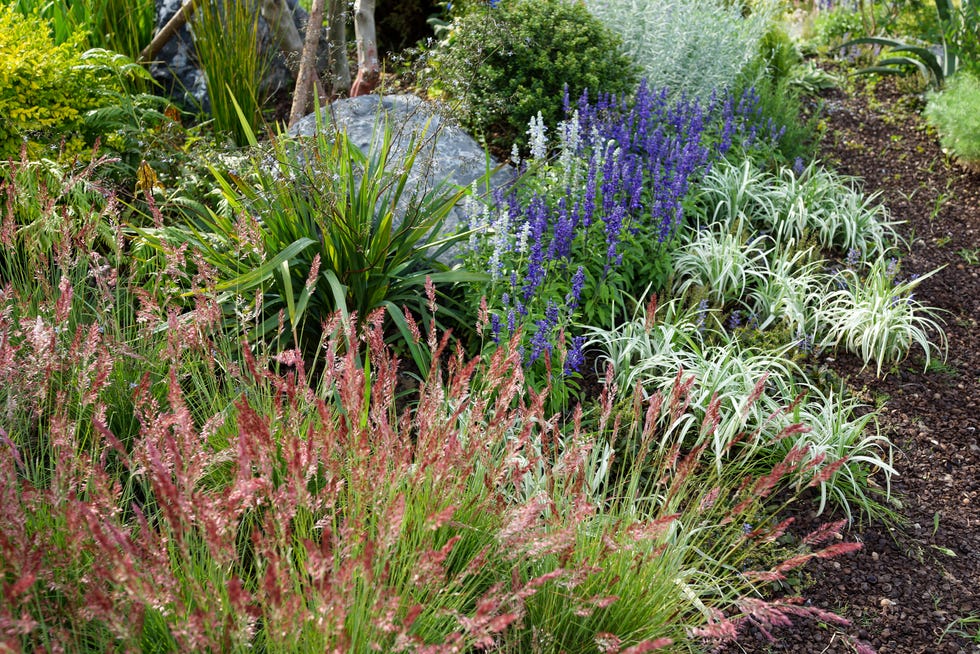
While it may seem tidy to cut every perennial down to the ground, a little restraint goes a long way in supporting your garden’s ecosystem. Morton advises leaving sturdy seed heads and ornamental grasses standing tall. They add texture and beauty to the winter landscape while offering shelter for birds and insulation for roots. Plants with soft, fleshy stems that tend to rot, like peonies and daylilies, can safely be cut back once the foliage has browned. Morton recommends keeping native perennials such as black-eyed Susans, coneflowers and penstemon in place, since they continue to benefit pollinators and birds through winter. The goal, she says, is to “keep what helps the garden thrive through cold, and trim what could turn into a soggy mess.”
7. Skipping Mulch or Fertilizing Too Late
Neglecting to mulch or fertilizing too late in the season can leave your perennials vulnerable just when they need protection most. Morton says the best time to mulch is “once the soil has cooled, or when it feels noticeably chilly to the touch, usually around 50–55°F, a few inches deep.” This timing helps insulate roots without trapping excess warmth. Keep mulch a few inches away from the base of the stems rather than piled directly against them, since mulch touching the crown can trap moisture and lead to rot. Morton explains that fall mulch acts like a cozy blanket, shielding bare soil from freezing temperatures and moisture loss. She recommends using natural materials such as shredded leaves, straw, or bark and skipping high-nitrogen fertilizers, which can trigger tender new growth that frost will quickly damage.
A little preparation in the fall can make a big difference in how your perennials perform next spring. By avoiding these common mistakes, you’ll help your garden survive winter and come back stronger when warmer days return.

Debbie Wolfe is a writer, photographer, and author. She has contributed hundreds of home and garden articles and DIY tutorials to leading media outlets and retailers. Debbie covers all home and gardening topics and has published hundreds of DIY tutorials with step-by-step photography for leading home and garden media outlets.
Comments are closed.