

Summer puts any lawn through its paces. Months of hosting and family recreation mean heavy foot traffic that compacts the ground and stresses the grass. Now that September is here, it is a chance to help the lawn recover and get it ready for winter and beyond.
Cool-season grasses benefit massively from aeration this month. It breaks up compacted soil so the grass can take in more water and nutrients. Aerating a lawn in September also improves air movement and supports healthy roots.
From mild to severe compaction, knowing when to aerate a lawn can make the difference and get your grass back to its best. It is worth adding it to your lawn care plans for the coming weeks. To make the task quicker and less exhausting than with a traditional garden fork, consider a four-row lawn aerator with 20 spikes like this one on Amazon.
Latest Videos FromHomes and Gardens
Can You Aerate Your Lawn in the Fall?
(Image credit: Future/Ruth Hayes)
Yes, you can aerate a lawn in September. However, it is not a one-size-fits-all rule, and whether you should aerate your turf in your fall lawn care plan depends on your location and the type of grass in your yard.
Aerating a lawn in September is good for some, but not all of the typical grass types that make up people’s lawns.
You may like
‘Cool-season grasses, such as Kentucky Bluegrass or Tall Fescue, should be aerated and reseeded in late summer through fall, or mid-August to mid-October,’ recommends Theresa Smith, Senior Vice President at NaturaLawn of America.
‘These grasses thrive in the northern parts of the United States and have a growth cycle that peaks during the cooler months of the year.’
However, warm-season grass types, such as zoysia and Bermudagrass, that are typical in southern lawns, don’t benefit from fall aeration. These grass types are aerated in late spring or early summer when they are more actively growing.

Theresa Smith
Social Links Navigation
Lawn Expert
Theresa Smith is senior vice president of NaturaLawn of America (NLA). She oversees all aspects of NLA’s business operations, including corporate strategy, business vendor management, marketing and more. She first started with the family business as a marketing coordinator and quickly became passionate about their mission to be environmentally responsible.
The Benefits of Aerating a Lawn in September
(Image credit: Kamil Macniak / Alamy Stock Photo)
If you wonder why you need to aerate a lawn in early fall, it is because it helps your turf recover from the rigours of a stressful summer. After months of high temperatures, low rainfall, and heavy usage, from family gatherings and summer parties to children playing and other recreational activities, your lawn has endured a lot.
This can include obvious bare patches of grass, together with other underlying issues you may not see when surveying the lawn. This includes compacted soil and thatch caused by an entire summer’s worth of foot traffic. These issues need to be addressed to keep the lawn healthy over winter and into next year.
What to read next
‘That compacted soil and thatch will hinder your lawn’s water infiltration and nutrient absorption, explains Jason McCausland, Technical Coordinator at Weed Man.
‘That’s why fall is the perfect time for core aeration on cool-season grasses. The process prepares the turf for efficient uptake of nutrients and encourages root growth. This alleviates compaction and enhances air and water movement in the soil.’
If you notice water pooling and not effectively soaking into the soil, this is a telltale sign of compaction under the surface. Aerating a lawn in September helps prevent worsening issues from a waterlogged lawn over winter.
To fix any bare patches, you can plant fast-growing grass seed (you can get a bag of rapid grass seed for sun or shade from The Home Depot) in September. Aerating before seeding ensures the best conditions for new seed to develop healthy roots, so if you’re planning any overseeding, aerate first.
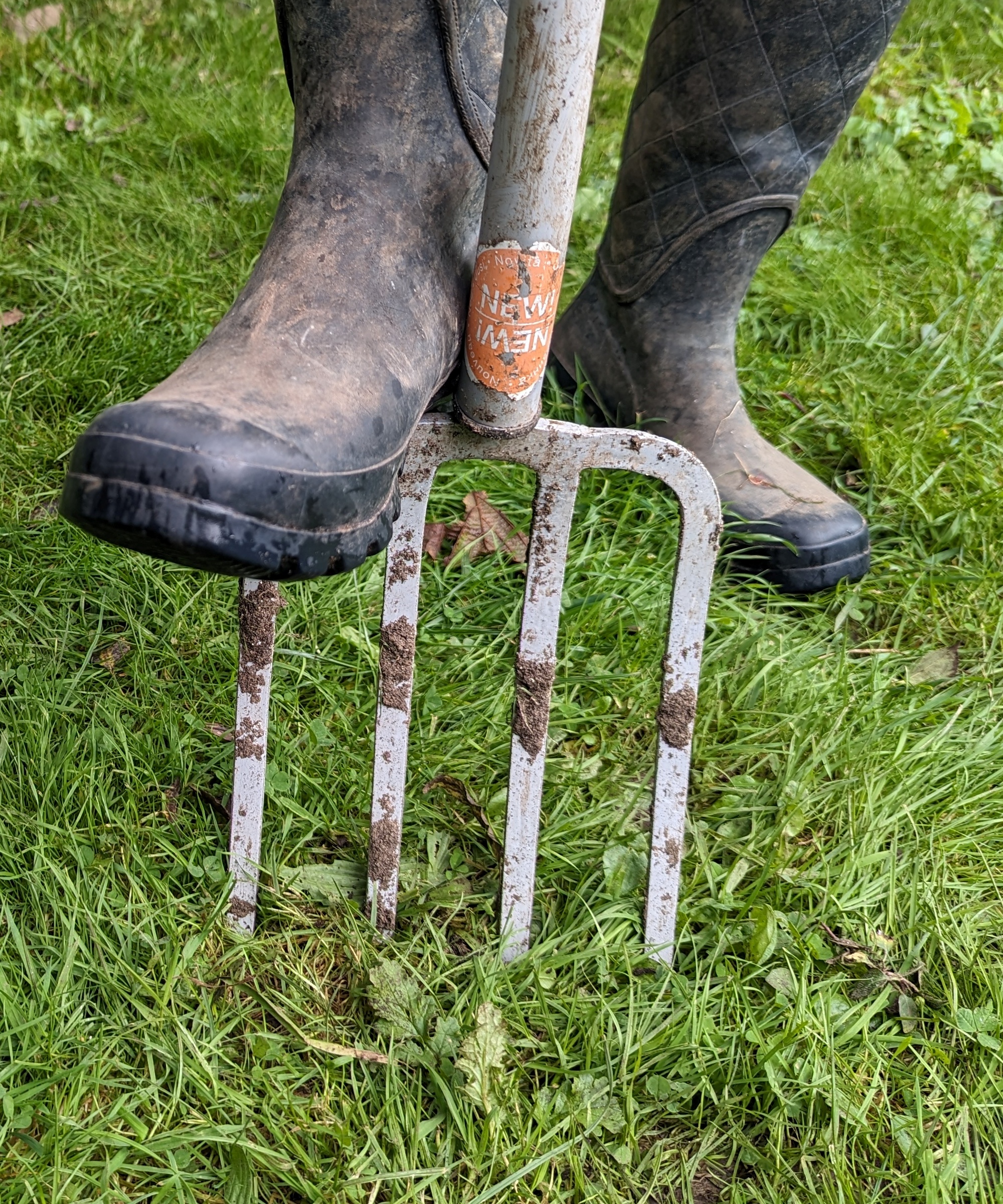
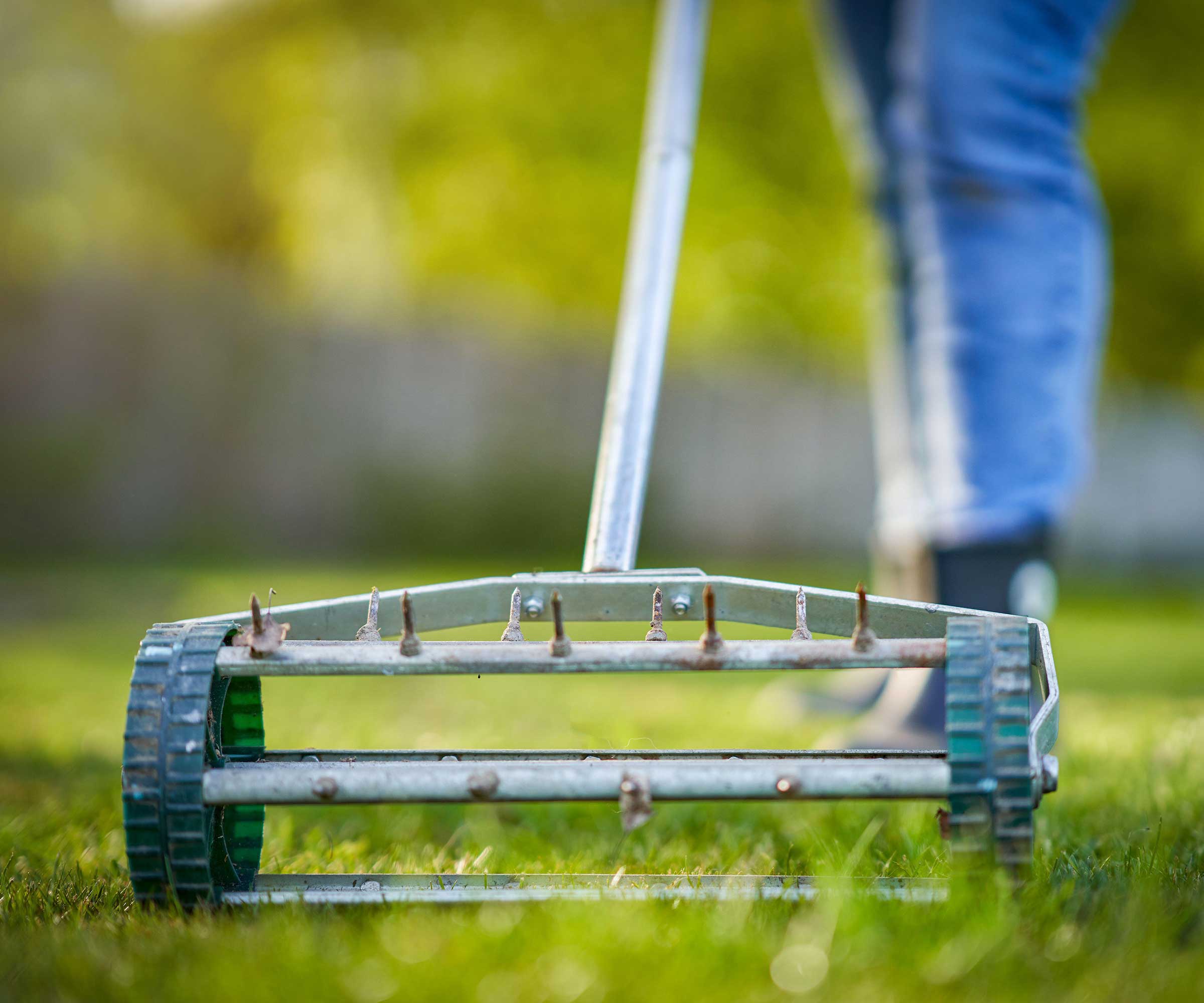
When it comes to how to aerate a lawn, you can use a garden fork, an aerating tool, or a rolling lawn aerator. The tool you choose depends on the size of the lawn and whether you want to spike or remove soil plugs.
Spiking is efficient for a little TLC and mild compaction, while core aeration is needed for heavily compacted soils but requires more effort.

Jason McCausland
Social Links Navigation
Lawn Expert
Jason is a Technical Coordinator at Weed Man. For more than 25 years, he has been an integral member of the Weed Man family and the green industry.
Once fall arrives, it is time to start thinking about collecting fallen leaves off the lawn. Getting rid of leaves once they start dropping from the trees stops them from smothering the grass underneath, preventing water from reaching the soil, and creating a breeding ground for fungal diseases, such as snow mold or red thread. The easiest way to remove them is with a leaf rake (available at Lowes), and you can bag them up to create leaf mold, a nutrient-rich material to use around the rest of the garden.
If you love inspiring garden ideas, outdoor advice, and the latest news, why not sign up for our newsletter and get the latest features delivered straight to your inbox?
TOPICS
Lawncare
Seasonal Gardening
Comments are closed.