
Big, overflowing hydrangeas can look effortless once they are in bloom. Getting them to come back that way year after year takes a little more planning.
And some of the work that affects next summer’s flowers actually happens before this growing season is over.
On Sept. 2, The Spruce wrote about Nicole Michalpoulos, owner of The Greek Gardener in Rhode Island, and the routine she recommends for healthier plants and stronger blooms.
Advertisement
Advertisement
Her advice is less about one miracle trick than getting several basics right that make all the difference: healthy soil, consistent moisture, mulch, appropriate fertilizing and—perhaps most of all—knowing when not to prune.
Bigger Blooms Start Long Before Spring
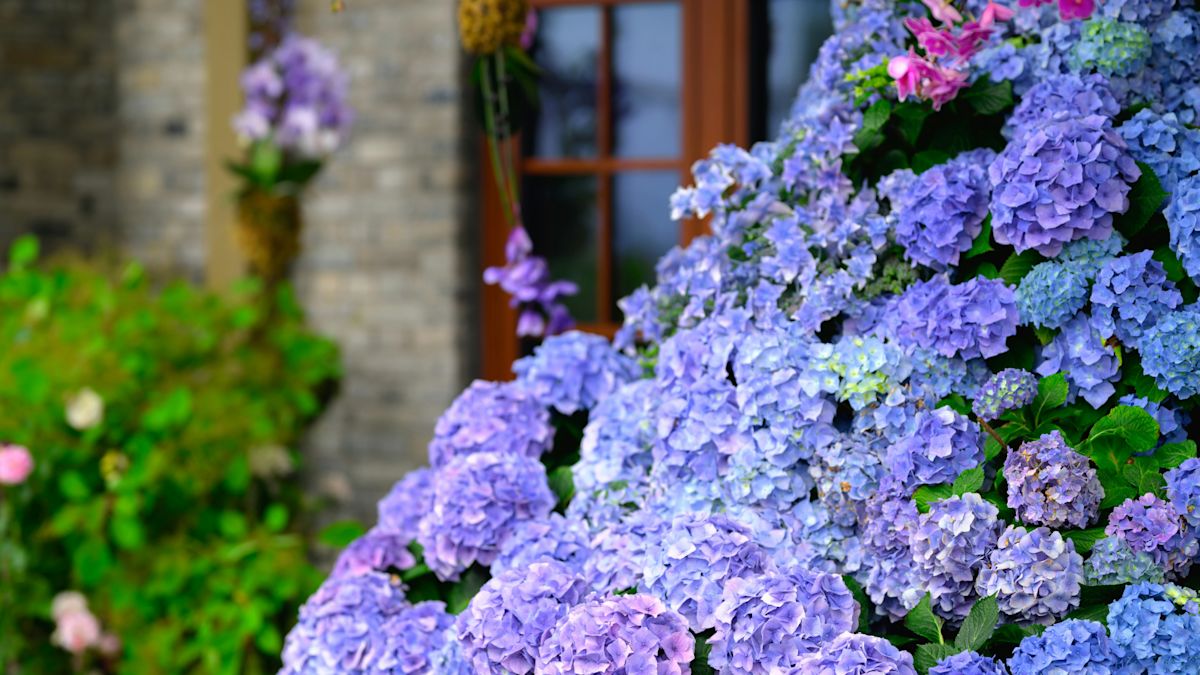
File Photo. Image Credit: Lāsma Artmane on Unsplash
Michalpoulos recommends starting with nutrient-rich soil and keeping it consistently moist. Hydrangeas have large leaves and can lose moisture quickly, especially during periods of hot or dry weather.
To offset this hydration loss, use a layer of organic mulch. This layer can also protect the plant’s roots. At the end of summer, Michalpoulos recommends clearing weeds and adding roughly 2 to 4 inches of mulch around the plant.
She also recommends fertilizing in early spring and again around midsummer with a slow-release or organic fertilizer. Gardeners should note, however: more fertilizer does not automatically mean more flowers. What a plant needs can depend on the soil and the variety being grown.
Advertisement
Advertisement
Sunlight matters, too. The Spruce notes that hydrangeas can tolerate more direct sun in moderate climates, while plants growing in hotter areas generally do better with morning sun and some protection later in the day.
Put the Pruners Down Before You Cut Next Year’s Flowers
One of Michalpoulos’ biggest end-of-summer warnings is to avoid heavy pruning. Different hydrangeas produce flowers on different kinds of stems, and cutting at the wrong time can remove buds that would have bloomed the next year.
Smooth hydrangeas, including Annabelle types, bloom on new growth and can generally be cut back in late winter or early spring.
Bigleaf and mophead hydrangeas commonly bloom on older stems, so Michalpoulos recommends leaving those intact through winter and limiting late-season trimming.
Advertisement
Advertisement
Other sources have documented that distinction too. Penn State Extension explains that many bigleaf hydrangeas begin developing the following year’s flower buds after they finish blooming, meaning fall pruning can accidentally remove the next round of flowers.
Unsure what kind of hydrangea you have? Waiting can be the safer choice. University of Rhode Island Cooperative Extension has similarly advised gardeners who cannot identify their variety to wait until spring before pruning, when living and dead growth will be easier to distinguish.
Want more articles like this one? Give us a follow on Yahoo
Comments are closed.