
Although there are planting seasons, there’s no “one size fits all” date for getting everything in the ground. Missouri has three distinct growing zones – based on average temperatures throughout the year – which affect when your seeds should hit the dirt.
Missouri’s northern zone covers the uppermost quarter of the state, including Kirksville and St. Joseph, and overlaps with zone 5b on the USDA national plant hardiness zone map. Most annuals and vegetables as well as a large variety of perennials prosper in zone 5 gardens, as long as they’re not hit by a late frost when they’re still young. The last frost in this zone is usually in April, so most zone 5 gardeners tend to wait until early to mid-May before planting.
The southern zone is confined to the extreme southeast section of the state: the Missouri bootheel and surrounding areas. It overlaps with zone 7 on the map, where average winter temperatures give gardeners in this zone the opportunity to add plants with year-round interest into the landscape.
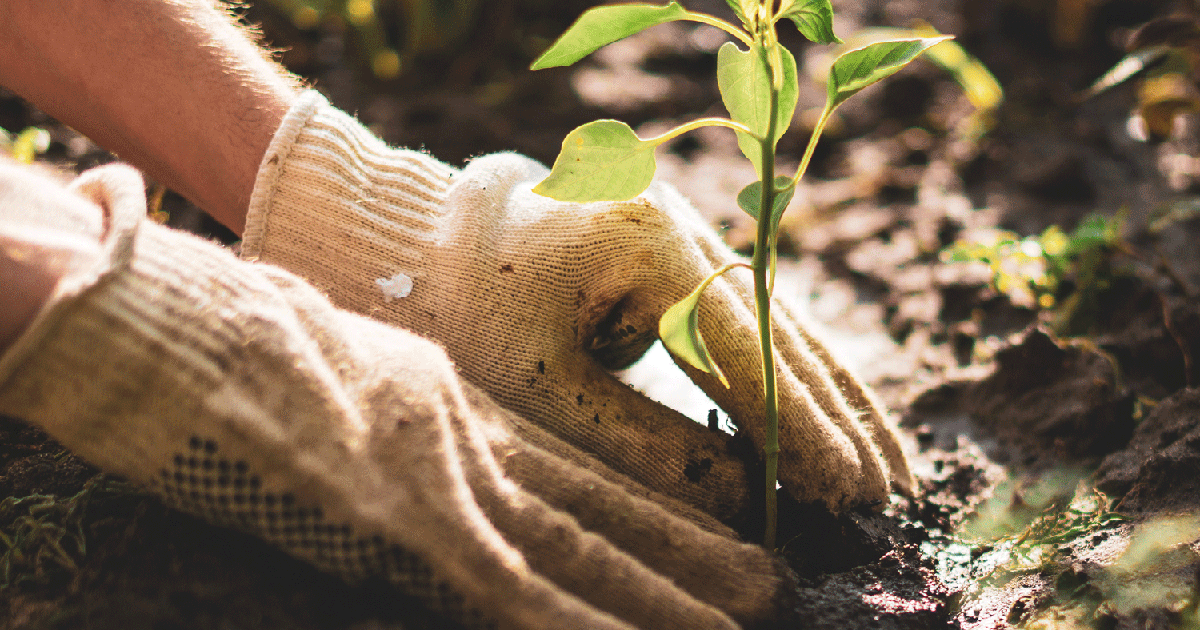
Most of Missouri is in the central zone, or zone 6 on the map. This includes St. Louis, Kansas City, Columbia and Springfield, along with most of Kansas and the southern half of Illinois. Here, you may have to start some seeds indoors in March and April and transplant the seedlings outside in May or June in order for them to experience a long, productive growing season. Vegetables that perform well with this method in zone 6 include common garden varieties of tomatoes, cucumbers, peppers, squash and potatoes. On the other hand, cold-weather crops such as lettuce, radishes and peas can be sown outside as early as March.
Comments are closed.