
Q: What is the chance of catching bird flu from eating a partially eaten tomato from our garden? Birds sometimes get through our netting to peck at the ripening fruit.
A: Ready to lose your appetite? Just thought I’d warn you. I did my homework on this answer (since I am not a PhD epidemiologist – not even close). Avian flu typically does not enter plants. It is transmitted through direct contact with infected birds, their feces, or their mucous. So, unless you eat an unwashed, pecked tomato that harbors one of those delightful “sauces,” it’s highly unlikely that you will come into contact with the virus. But your best bet would be to wash the fruit thoroughly, then cut out and discard the pecked area or simply discard the fruit altogether if the bird has really worked it over.
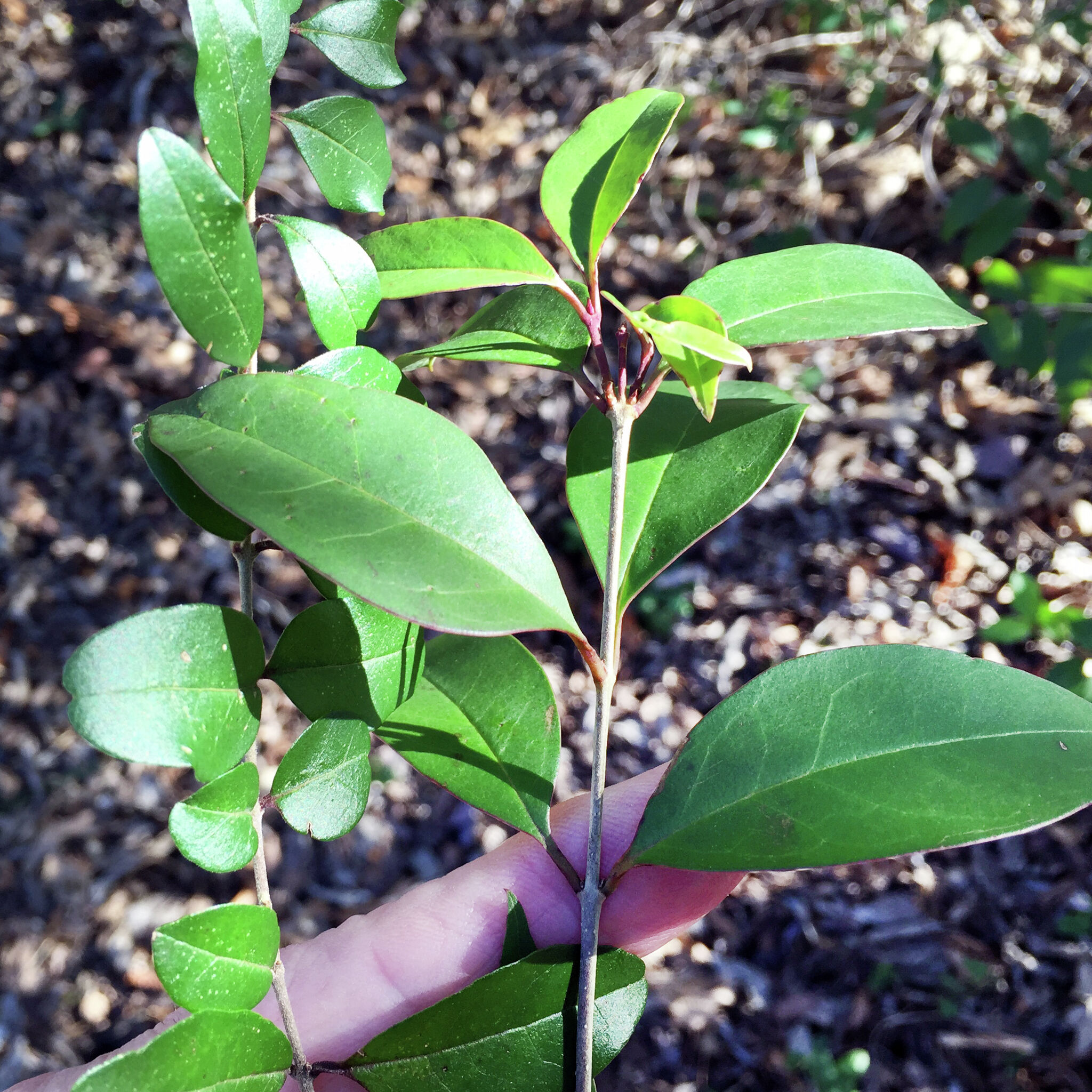
Q: I read your response on controlling ligustrums with interest, especially the portion on glyphosates not being good for controlling them. We have acreage that is becoming overrun with them and I have too much to consider cutting the individual plants and treating their stumps. I read an article from the Oklahoma Wildlife Conservation website (https://www.wildlifedepartment.com/outdoorok/ooj/controlling-chinese-privet) that suggested glyphosates in high concentrations. I contacted Texas A&M AgriLife Extension and never heard back. However, the author of the story suggested a high-pressure sprayer with a minimum of 4 ounces of glyphosate (41%) in 1 gallon of water applied to the leaves in late summer or fall. Coat the leaves thoroughly but avoid excessive runoff. What is your thought on all this?
A: I think I dislike privet (ligustrum) very much. There are acreages where I live that have been inundated just as the one photographed in the story. Japanese privet takes over just the same way. Since this was written by an expert and published under the banner of a government agency in a neighboring state, I’m willing to give it great credibility. I would suggest trying a small area for starters – perhaps just a few hundred square feet. You should be able to tell within a few weeks if it’s going to be successful. You would still have time this growing season to make additional treatments. I’d also suggest you make a stronger effort to contact the Extension people in your local area. They’re usually better at getting back to people than you experienced. Good luck with this beast!
Q: I have a home in Central Texas with bermed limestone rock cut into the soil behind my house and garage. It is about 6 feet tall. I have good sunlight and strong footing throughout. I’d like to plant some type of creeper to grow up the sides and cover the bare soil and limestone siding. Yellow jasmine? Virginia creeper? Any other suggestions?
A: I’m trying to picture it all from your words. Be careful what you allow to climb your limestone surfaces. It won’t cause the stone to deteriorate, but it will certainly trap moisture and dust/debris behind it, thereby staining the concrete. If there is any way to use a stout trellis, then you could use a twining vine such as Carolina (yellow) jessamine if it’s shady or Madame Galen trumpetcreeper if it’s full sun. The trellis would keep the vine away from the wall.
Virginia creeper also sticks to walls, and it’s gigantic. It would take over your landscape. Boston ivy would grow in the same way in a more manageable manner, but again, it could lead to staining. Plus, it’s deciduous. If the site is at all protected you might get by with climbing fig ivy. It’s evergreen and it grows flat against walls like you’re describing. It might freeze to the ground every few winters, but it does come back vigorously in the spring. You’re about as far north as I’d be comfortable with that suggestion.
Q: The Japanese yew that is turning brown has been replaced twice. This is the third one to die. What is going wrong? The other one is the original planting.
A: I’m trying to figure what type of sprinkler head I’m seeing in the photo. The problem appears to be related to moisture. I’m going to assume that the older, all-green plant has deeper roots and is able to pull moisture from both the irrigation and also from beneath the concrete of the walk and the foundation. But how is the new plant getting water, and how are the liriope plants also getting watered? They seem to be suffering the same fate as the one yew. This does not appear to be insect or disease related, nor does it appear to be associated in any way to winter cold weather. (No real reason to list that last one other than to tell you that I’ve considered it.) I guess I should mention the possibility of a gas leak, but that’s a far reach. I just think the one yew and the liriopes have gotten marginally too dry at some point. Have some tuna cans or other shallow measuring devices (identical) on the ground along that bed to see if the water being delivered is equal from the “good” yew past the “bad” one. Hopefully you’ll be able to determine the source of the problem.
Q: We have a 25-year-old live oak that has a 3-inch diameter root that’s causing a paving stone walk to project up as a trip hazard. The house foundation is on the other side of the walk. I need to remove that root in order to reseat the pavers. Will the tree survive? Any suggestions of how best to do it?
A: It should survive just fine, especially if you wait until November or December to cut the root. By then the ongoing need for water will have lessened as temperatures have fallen. You might even be able to install a root barrier to prevent this from happening again. My best advice would be to hire an International Society of Arboriculture certified arborist to “hold your hand” as the work is done. Next spring and summer you will want to apply a liquid root stimulator monthly and be certain that the tree is kept properly watered at all times.
Comments are closed.