
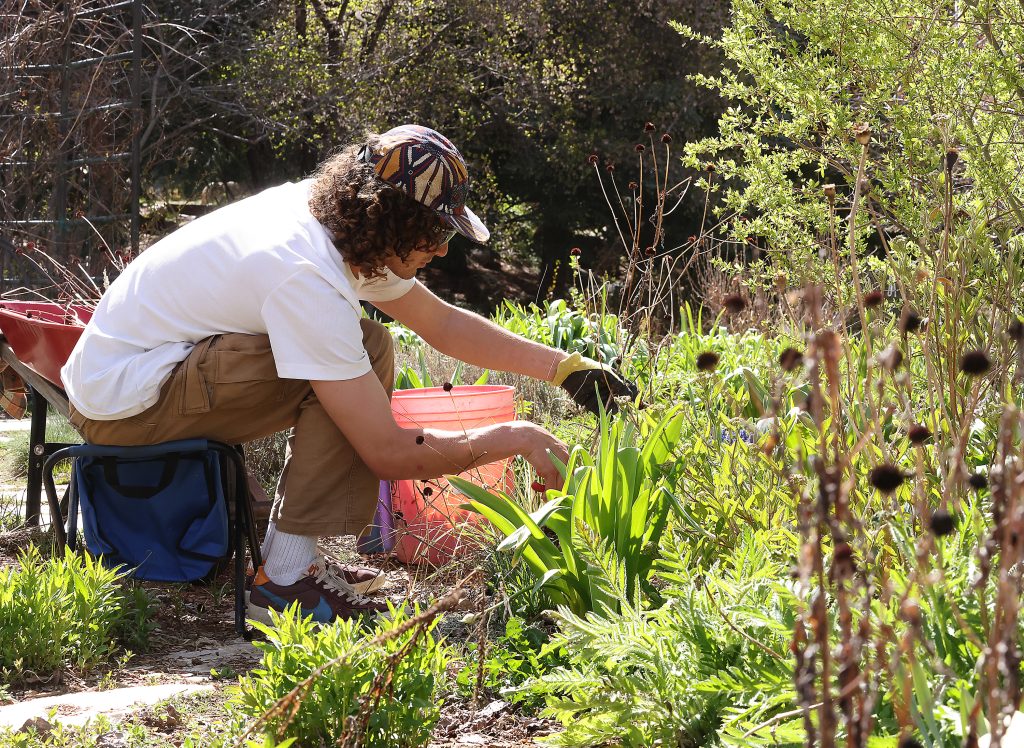
Climate change can feel overwhelming. Melting glaciers, shrinking snowpack, and headlines that make you want to crawl under a compost pile and hide. But here’s some surprisingly good news: one of the most powerful climate tools available might already be sitting behind your house, quietly growing weeds.
Yes, your garden.
It turns out soil is one of the planet’s biggest carbon vaults. Healthy soils can pull carbon dioxide out of the atmosphere and store it underground, where it belongs. And while your raised bed won’t single-handedly solve climate change, millions of carbon-smart gardens absolutely add up.
Plants capture carbon through photosynthesis and send a portion of it down to their roots, where it feeds soil microbes. Those microbes lock carbon into stable soil structures, creating rich soil that holds water better, grows healthier plants, and quietly helps the planet.
The key is not disturbing that system. Excessive tilling breaks up soil structure and releases stored carbon back into the atmosphere. Think of it like shaking your savings account upside down and hoping the money stays put.
Instead, try low-till or no-till gardening. Add compost on top and let worms and microbes do the mixing for you. Lazy gardening, it turns out, is climate-smart gardening.
Synthetic fertilizers may give plants a quick boost, but they don’t build long-term soil health. Organic matter, compost, leaf mulch, aged manure, feeds soil life and keeps carbon where we want it. Mulching does double duty: it protects soil from sun and wind, reduces evaporation in our dry Yampa Valley climate, and slowly breaks down into more carbon-rich soil.
Bonus: healthier soil means stronger plants, fewer pests, and less need for chemical interventions. Mother Nature loves efficiency.
Cover crops aren’t just for farmers. Garden-scale options like clover, peas, oats, or winter rye can be planted in empty beds at the end of the season. They protect bare soil, prevent erosion, feed microbes, and pull even more carbon underground. In mountain climates like ours, even a simple fall layer of chopped leaves or straw acts as a “lazy cover crop,” shielding soil through winter and building fertility by spring.
Native plants are carbon-smart overachievers. Their deep roots store carbon far below the surface while stabilizing soil and supporting pollinators. Once established, they require less water, less maintenance, and far fewer inputs. Planting native perennials, whether in ornamental beds or tucked between veggies, is a long-term investment in climate resilience.
No single backyard will reverse climate change, but gardens are powerful because they connect personal action to global impact. Growing tomatoes that also help the planet? That’s a win-win worth getting your hands dirty for.
So compost, mulch, plant deeply, and disturb less. Your garden may be small, but it’s pulling more weight than you think.
Have gardening questions? The CSU Routt County Extension Office and Master Gardener Help Desk are open Thursdays, 10 a.m.–1 p.m., May through September. Call 970-879-0825 or email rcextension@co.routt.co.us.
Sarah Storm is a Master Gardener in Steamboat Springs and the School Programs Manager at Yampatika, connecting people of all ages across Northwest Colorado to the outdoors through hands-on lessons in science, sustainability and stewardship.
Comments are closed.