
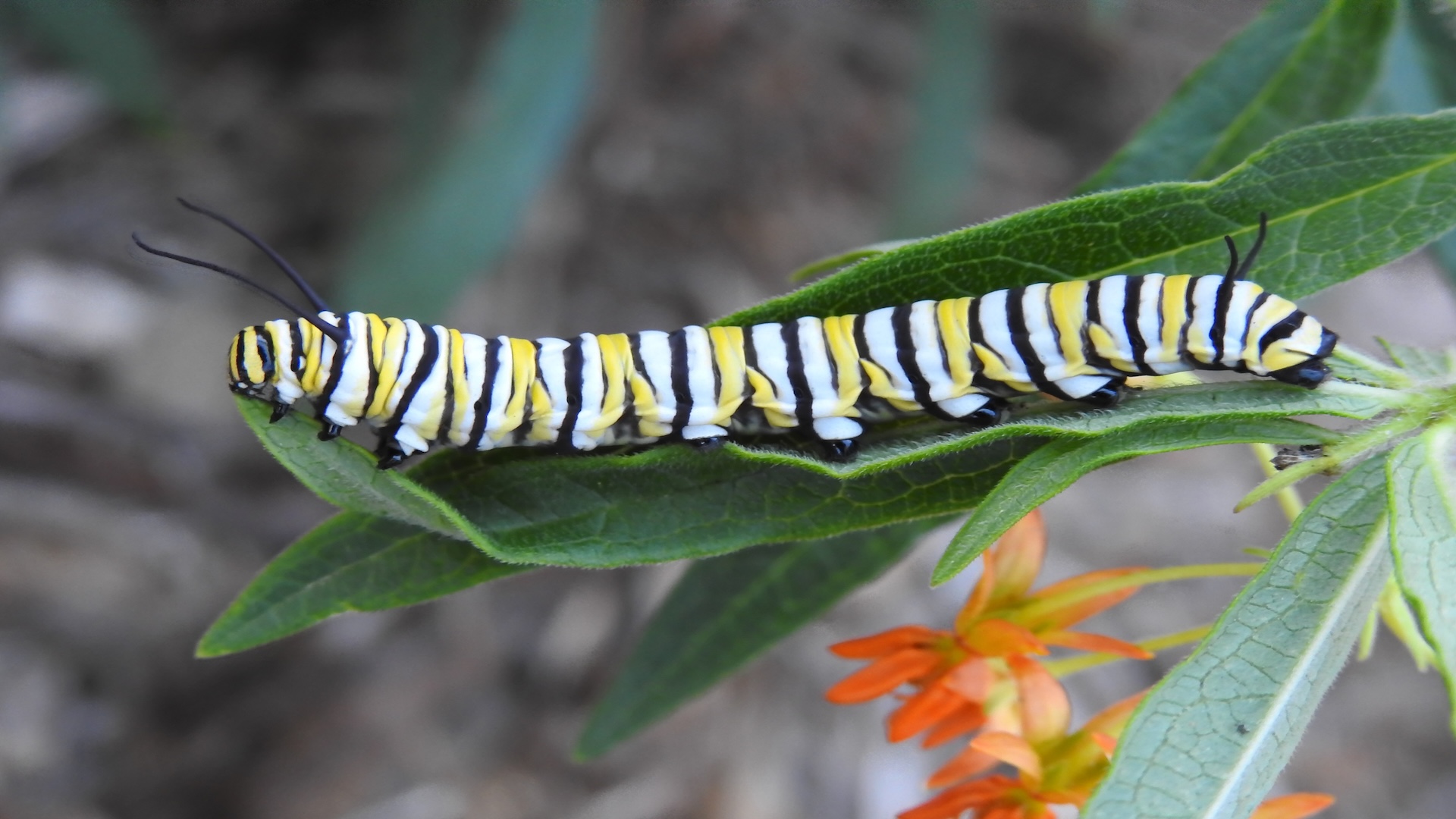
Monarch caterpillars made a perfectly timed appearance at a South Carolina gardening workshop in August, giving attendees a live example of the kind of wildlife a pollinator-friendly garden can support.
Here’s what to know
In a video shared by a South Carolina nursery on YouTube, the creator thanked attendees of its monthly August workshop, a free public event focused on building gardens that support pollinators.
The post described a morning spent talking about plants, learning from Mimi, a workshop instructor, enjoying the flowers, and noticing tiny monarch caterpillars that appeared right on time.
It also emphasized accessibility: these workshops are open to the public at no cost, making it easier for people who want to help butterflies and other pollinators but do not know how to get started.
One commenter wrote, “Oh how I wish I was local so I could take part in these tours!”
More background
Pollinator gardens offer more than visual appeal. When butterflies, bees, and other beneficial species have places to feed and reproduce, they can also help support nearby edible plants in home gardens.
Planting, weeding, watering, and tending a garden can add regular physical activity, while spending time outdoors and focusing on living things can support mental well-being.
The Creekside event also showed the value of learning with others in a local setting. Free community workshops give people space to ask questions, understand what works in their area, and feel more confident before investing more time or money in a gardening project.
What can be done?
If you’re interested in starting your own food or pollinator garden, the first steps do not need to be dramatic. A small patch of yard, a raised bed, or even a few containers can become more welcoming to pollinators when planted with intention.
If you are also interested in harvesting food at home, supporting pollinators can go hand in hand with growing your own food, helping cut grocery costs and bringing fresher produce to your kitchen.
Starting with nearby resources can make the process simpler. Workshops at nurseries, community gardens, and similar spaces can help beginners learn which plants grow well locally and which ones are most useful for pollinators.
Get TCD’s free newsletters for easy tips, smart advice, and a chance to earn $5,000 toward home upgrades. To see more stories like this one, change your Google preferences here.

Comments are closed.