

College of Agriculture, Forestry and Life Sciences
Having fresh produce available at any time is easier when you can grab it straight from your own garden. Home gardening is not a new trend, but it’s continued to pick up steam in recent years, with the pandemic bringing a new level of interest to the subject. Everyone has the ability to plant a garden, regardless of space – an herb box makes for a perfect addition to any windowsill option. Vegetables can be grown in a variety of ways, from traditional in-the-ground planting and raised beds to pots and yes, even straw bales.
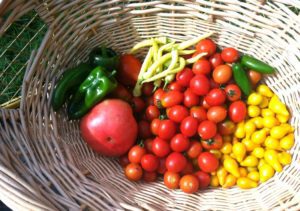
The first step to building the vegetable garden you’ve been waiting for is to start with a few basic questions:
Who will be doing the work (tending the garden)?
Will the garden be a group project with family members or friends who will work willingly through the season to a fall harvest, or will you be handling the hoe alone in between camping and swimming? Remember that a small weed-free garden will produce more than a large, weedy mess.
What do you (and your family) like to eat?
Although the pictures in the garden catalog look delicious, there is no value in taking up gardening space with vegetables that no one eats. Make a list of your family’s favorite vegetables, ranked in order of preference. This will be a useful guide in deciding how much of each vegetable to plant. Successive plantings of certain crops, such as beans, can be harvested over a longer period of time and increase your yield. As you plan, list recommended varieties and planting dates.
How do you plan to use the produce from your garden?

If you plan to can, freeze, dry, or store part of the produce, this will be a factor not only in planning the size of the garden but also in selecting varieties. Some varieties have much better keeping quality than others. Care should be used in choosing the seeds, making sure the varieties you select are adapted to your area and intended use.
How much space is available and what is proximity to water source?
How much area can be converted into usable garden space, and how much garden do you need? Do not plant more garden than you need.
How close is the water source? Make sure your garden has an accessible water source, whether you can set up irrigation or simply drag a hose over when the inevitable dry weather arrives.
Once you’ve answered the above questions and determined what you are going to plant, plan your garden out on paper before planting – showing the arrangement and spacing of crops, grouping plants by the length of growing period. Remember, place tall and trellised crops on the north side of the garden so they will not shade the shorter vegetables.
Now that you’ve planned out your garden, it’s time to plant. You can start with seeds or transplants (purchased at your local home and garden store), keeping in mind that you want to plant after the last freeze in your area.
Additional Tips:
– Keep your garden as small as possible to cut down on unnecessary work.
– Get a soil test to determine the nutrients in your soil. A fact sheet with details on soil testing can be found on the HGIC website.
– In South Carolina, gardens should receive at least six hours of direct sun each day (leafy vegetables can tolerate partial shade; vegetables that produce fruit, such as peppers and tomatoes, must be grown in full sun).
– Avoid planting your garden close to or beneath trees and shrubs because shade and the competition for nutrients and water may reduce vegetable growth.
– Plants grown for their leaves or roots can be grown in partial shade.
Planting Chart: Dates to plant in South Carolina
CROPCOASTAL SPRING
PLANTING DATE RANGE
coastal fall
Planting Date Range
piedmont
spring
Planting Date Range
piedmontfall
Planting Date Range
AsparagusFeb 1 to Mar 15Not recommendedMar 1 to Apr 15Not recommendedBeans, SnapApr 1 to Jun 1Aug 1 to Sept 1Apr 15 to Jul 1Jul 20 to Aug 1Beans, PoleApr 1 to Jun 1Aug 1 to Sept 1Apr 15 to Jul 1Jul 20 to Aug 1Beans, Half-RunnerApr 1 to Jun 1Aug 1 to Sept 1Apr 15 to Jul 1Jul 20 to Aug 1Beans, LimaApr 15 to Jun1Jul 15 to Aug 1May 1 to Jun 15Jul 1 to Jul 15Beans, Pole LimaApr 15 to Jun1Jul 15 to Aug 1May 1 to June 15Jul 1 to Jul 15Beans, Edible SoyApr 15 to Jun1Jul 15 to Aug 1May 1 to June 15Jul 1 to Jul 15BeetsFeb 15 to Mar 31Aug 15 to Sept 30Mar 15 to May 31Jul 15 to Aug 31Broccoli 1Mar 1 to Apr 10Sept 1 to Sept 30Mar 20 to Apr 30Aug 15 to Sept 15Brussels SproutsNot recommendedSept 15 to Oct 15Not recommendedAug 15 to Sept 15Cabbage 1Feb 1 to Mar 31Aug 15 to Sept 30Mar 15 to Apr 30Jul 15 to Aug 31CantaloupeMar 15 to May 15Jul 1 to Jul 30Apr 15 to Jun 5Not recommendedCarrotsFeb 1 to Mar 15Sept 1 to Sept 15Feb 15 to Mar 31Aug 1 to Sep 15Cauliflower 1Mar 1 to Apr 10Aug 15 to Aug 30Mar 20 to Apr 30Jul 15 to Aug 31CollardsFeb 1 to Jun 15Aug 1 to Oct 30Mar 15 to Jun 30Aug 1 to Sept 30CucumberMar 15 to May 15Aug 1 to Aug 30Apr 15 to Jun 5Aug 1 to Sept 30Eggplant 1Apr 1 to Apr 30Aug 1 to Aug 31May 1 to Jun 30Not recommendedGarlicNot recommendedOct 1 to Nov 30Not recommendedAug 15 to Oct 15HoneydewMar 15 to May 15Jul 1 to Jul 30Apr 15 to Jun 5Not recommendedKaleFeb 1 to Jun 15Aug 1 to Oct 30Mar 15 to Jun 30Aug 1 to Sept 30LeeksFeb 1 to Jun 15Not recommendedMar 15 to Jun 30Not recommendedLettuce 2Feb 1 to Apr 15Sept 5 to Nov 1Mar 1 to May 15Not recommendedMustard 2Feb 1 to Jun 15Aug 1 to Oct 15March 15-Jul 30Aug 1 to Sept 15Onion, setsFeb 1 to Mar 15Sept 15 to Nov 15Feb 15 to Mar 30Sept 15 to Oct 15Onion, plantsNot recommendedOct 1 to Nov 15Not recommendedSept 15 to Oct 15Onion, seedsNot recommendedSept 15 to Oct 30Not recommendedNot recommendedOkraMay 1 to Jun 30Not recommendedMay 15 to July 15Not recommendedPeanutsApr 1 to May 31Not recommendedMay 1 to Jun 30Not recommendedPeas, GardenFeb 1 to Mar 15Aug 15 to Nov 30Mar 1 to Apr 5Aug 15 to Oct 30Peas, SouthernApr 1 to Jun 15Jul 15 to Aug 1Apr 15 to Jul 15Not recommendedPepper 1Apr 1 to May 15July 10 to Aug 10May 1 to Jun 30Not recommendedPotatoes, IrishFeb 1 to Mar 31Not recommendedMar 15 to Apr 30Not recommendedPotatoes, SweetApr 15 to Jun 15Not recommendedMay 1 to Jun 15Not recommendedPumpkinsNot recommendedJun 1 -to Jun 30Not recommendedJun 15 to Jul 15Radish 2Feb 1 to Jun 15Aug 1 to Sept 30Mar 15 to Jun 30Aug 1 to Sept 15RutabagaFeb 1 to Mar 31Aug 15 to Oct 15Mar 15 to Apr 30Jul 15 to Sept 30Spinach 2Feb 1 to Apr 1Aug 15 to Oct 15Mar 15 to Apr 15Aug 1 to Sept 30Sweet Corn 2Mar 1 to Apr 15Not recommendedMar 30 to May 31Not recommendedSquash, SummerMar 15 to Jul 31Aug 1 to Aug 31Apr 15 to Jul 31Jul 15 to Aug 15Squash, WinterMar 20 to May 1Aug 1 to Aug 31Apr 15 to Jun 15Not recommendedTomato 1Mar 1 to Apr 30July 1 to Jul 31May 1 to Jun 30Not recommendedTurnips 2Feb 1 to Apr 1Aug 1 to Sept 30March 15-Apr 30Aug 1 to Sept 15Watermelon 1Apr 1 to Apr 30Not recommendedApr 15 to June 15Not recommended1From Transplants
2Sequentially plant to extend the cropping season
Comments are closed.