
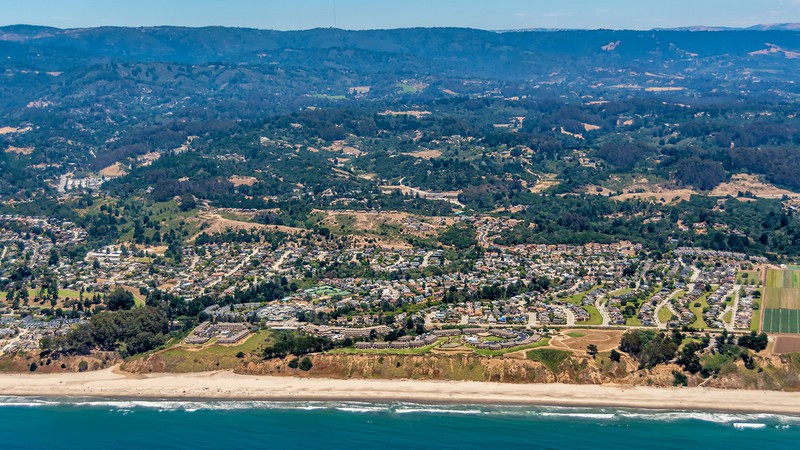
From the coast to the mountains, Santa Cruz County’s landscape has given way to human development. But residents can make all parts of the region more hospitable to native species.
Dreamframer
Shutterstock.com
One of the many perks of living in the Santa Cruz area is getting to enjoy the beautiful and diverse natural landscape, from the sparkling Monterey Bay to the lush redwood forests. In addition to the 300,000 or so humans who enjoy the beautiful landscape, so do numerous species of plants and wildlife.
However, as development continues across the county, the natural habitats of those native species have become smaller and increasingly fragmented, making it harder for creatures such as the Santa Cruz long-toed salamander (Ambystoma macrodactylum croceum), Ohlone tiger beetle (Cicindela ohlone), and least Bell’s vireo (Vireo bellii pusillus) to survive in this area where they were once abundant.
While there are several excellent organizations dedicated to preserving natural spaces for local critters, individuals can also help promote local flora and fauna by creating native habitats in their own backyards.
“Habitat gardens can be beautiful and fun,” said Rick Flores, director of horticulture and steward of the Amah Mutsun Relearning Program at the UCSC Arboretum and Botanic Garden. “In a time when habitat is disappearing for a number of reasons, habitat gardens can help promote biodiversity.”
Creating a natural habitat doesn’t mean you have to sacrifice your yard’s entertainment or hang-out space. It simply requires consideration of the plants and landscape that native critters will enjoy, rather than considering only what plants may look pretty, Flores explained. “Planting plants that are good for the birds, bees, butterflies, and insects is a great way to learn about the wildlife around us,” he said.
Another thing to consider is how much water the plants will require, Flores added. “In a changing climate and with ongoing droughts, people should consider planting drought-tolerant gardens and avoiding plants that require high water usage.”
Below are a few tips and planting ideas for creating backyard landscapes that support local plant and wildlife based on the different terrains in the Santa Cruz area.
Comments are closed.