
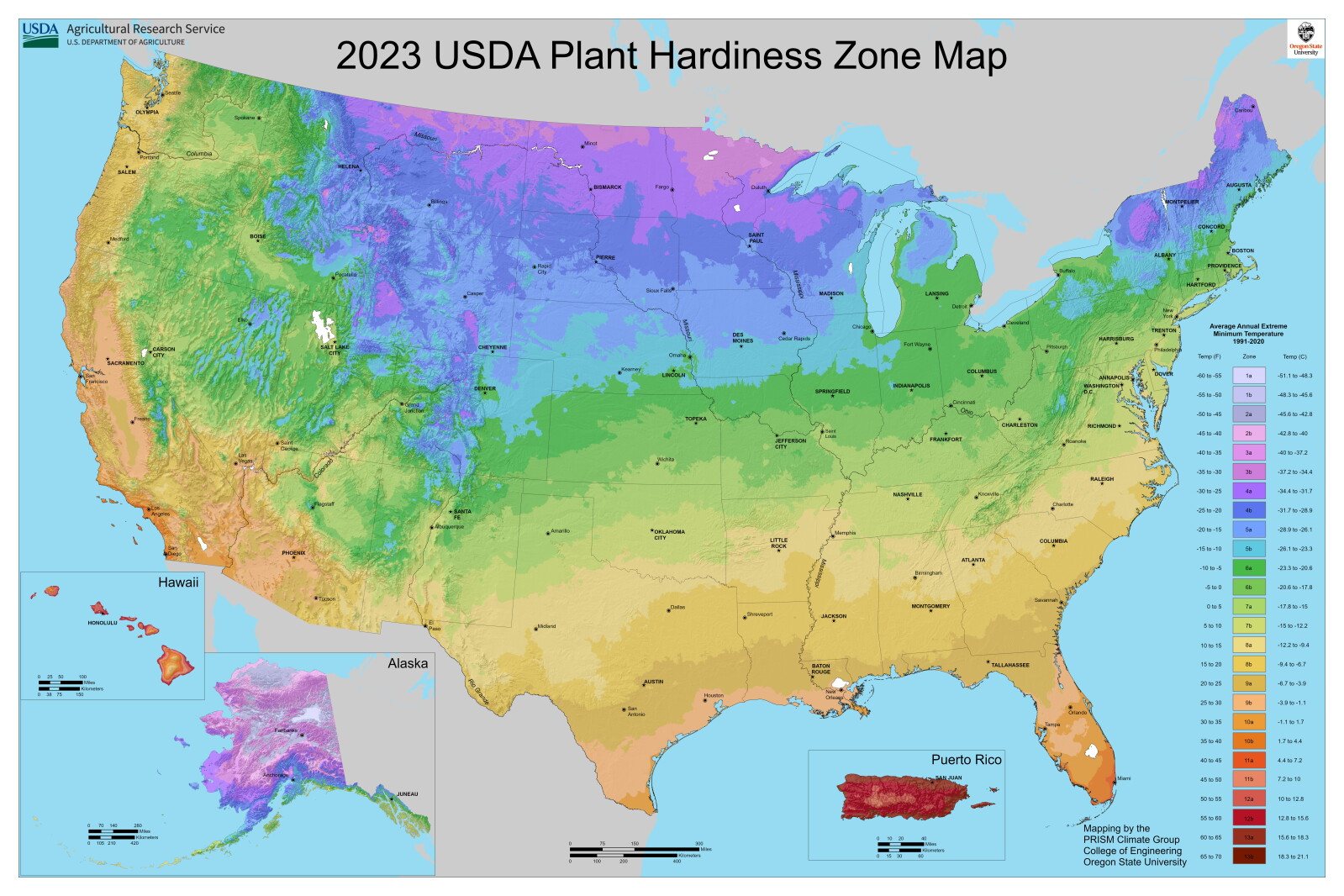
Stop the presses! The U.S. Department of Agriculture just released a new version of its Plant Hardiness Zone Map, with an important change that could affect gardeners across the country.
Have you ever wished you could move to a milder gardening climate? Well, stay put, because a milder winter climate might be coming to us, and we needn’t leave home, compliments of the new hardiness zone map.
The USDA’s winter hardiness zone map has long been the standard used by home gardeners, plant breeders and researchers to determine which plants are most likely to thrive in their location, based on whether they’ll survive winter.
This valuable tool for gardeners and researchers has just been updated for the first time in over a decade, and many areas have been moved into a slightly warmer zone.
The newly released 2023 map is more accurate, according to USDA, and contains greater detail than previous versions. To make it more precise than the previous map, the new map used data from 13,412 weather stations, compared to the 7,983 that were used for the 2012 map.
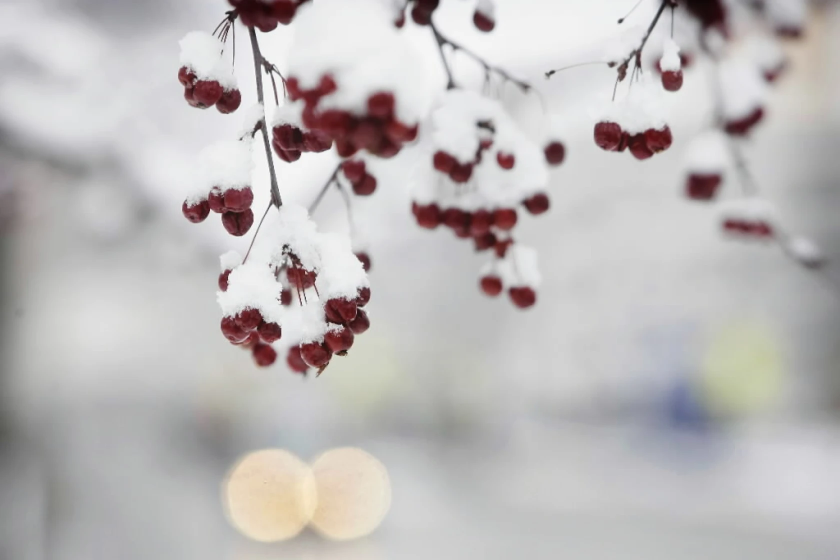
Knowing plant hardiness zones is important when selecting landscape plants that will survive winter.
David Samson / The Forum
The map is based on 30-year averages of the coldest winter temperatures at specific locations, and divides the continental U.S. and Canada into 10 zones, which are further divided into half-zones. Zone 1, near the Arctic, is the coldest, and Zone 10 is the warmest, found at the southern tips of Texas, California and Florida.
The new 2023 map version reveals that about half of the country shifted to the next warmer half zone, when compared to the previous map, compiled in 2012. That means those areas warmed somewhere in the range of 0-5 degrees Fahrenheit, making the winter slightly milder.
It might not sound like much, but this is kind of a big deal. For most of my gardening life and horticultural education, North Dakota and Minnesota were mostly considered Zone 3, from the first USDA zone map created in 1960 through 1990.

Since 1990, milder zones have been shifting northward, and by 2012, three-fourths of North Dakota and half of Minnesota found themselves in Zone 4a. Now, the 2023 map moved all of North Dakota, except a tiny part, into Zone 4 along with a greater portion of Minnesota.
To further show the advancement of milder winter temperatures, Zone 5 has now progressed farther into southern Minnesota and is marching northward through South Dakota, covering about the southern one-third, which was unheard of 30 years ago.
What does this mean for gardeners? In some locations, people might be able to grow new types of flowers, fruits, trees and shrubs. But before we rush out to buy a banana tree to plant in the backyard, winter survival depends on more than just winter temperatures.
Although it’s the best tool available to rate winter survival of plants, the USDA hardiness zone map is based only on temperature, specifically the coldest night of the year for a given area. This low temperature is, of course, a crucial factor in whether plants will live through winter.
But intertwined with simple cold temperatures are other vital factors. For example, the hardiness zone map doesn’t take into account the presence or absence of insulating snow, which varies greatly from one year to the next. An out-of-place Zone 5 perennial might survive in Zone 4 during a winter with deep snow, but die the next winter if snow is lacking.
Cold injury can be more severe if humidity is low and plants are bombarded by dry, winter winds. Likewise, plants that are considered winter hardy might be injured if soil moisture is too dry in autumn and plants go into winter while suffering moisture stress.
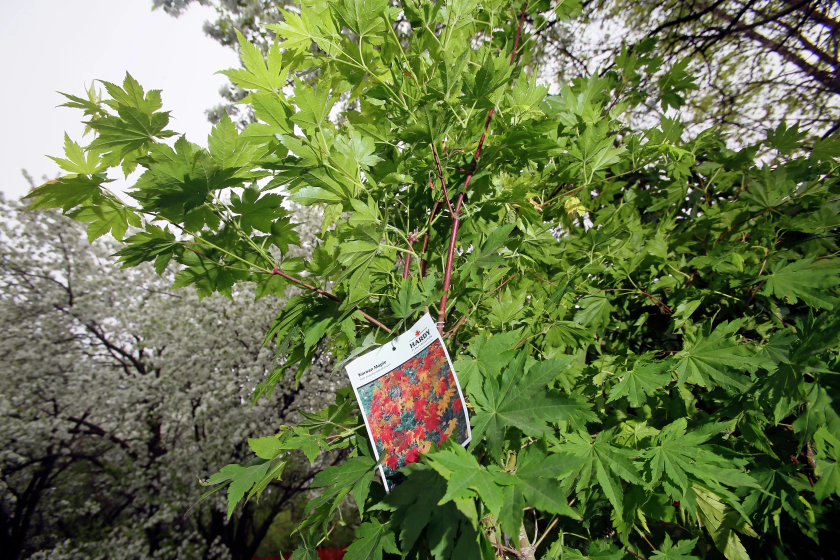
Most plant tags indicate USDA Plant Hardiness Zones.
David Samson / The Forum
Microclimates also impact winter hardiness and aren’t reflected in plant hardiness zone maps. A microclimate is a part of the yard or landscape that is more favorable to winter plant survival because it’s protected by established plants, accumulates more snow, or is sheltered from the wind.
A Zone 4 plant that survives winter in a microclimate in the middle of a city might not live if planted on a windswept hill on the prairie.
Because other hardiness factors are nearly impossible to track and quantify, hardiness zones continue to be our best guideline for selecting trees, shrubs and perennial flowers that will survive winter.
The USDA Plant Hardiness Map, plus other related information can be found at
https://planthardiness.ars.usda.gov/
.
Comments are closed.