
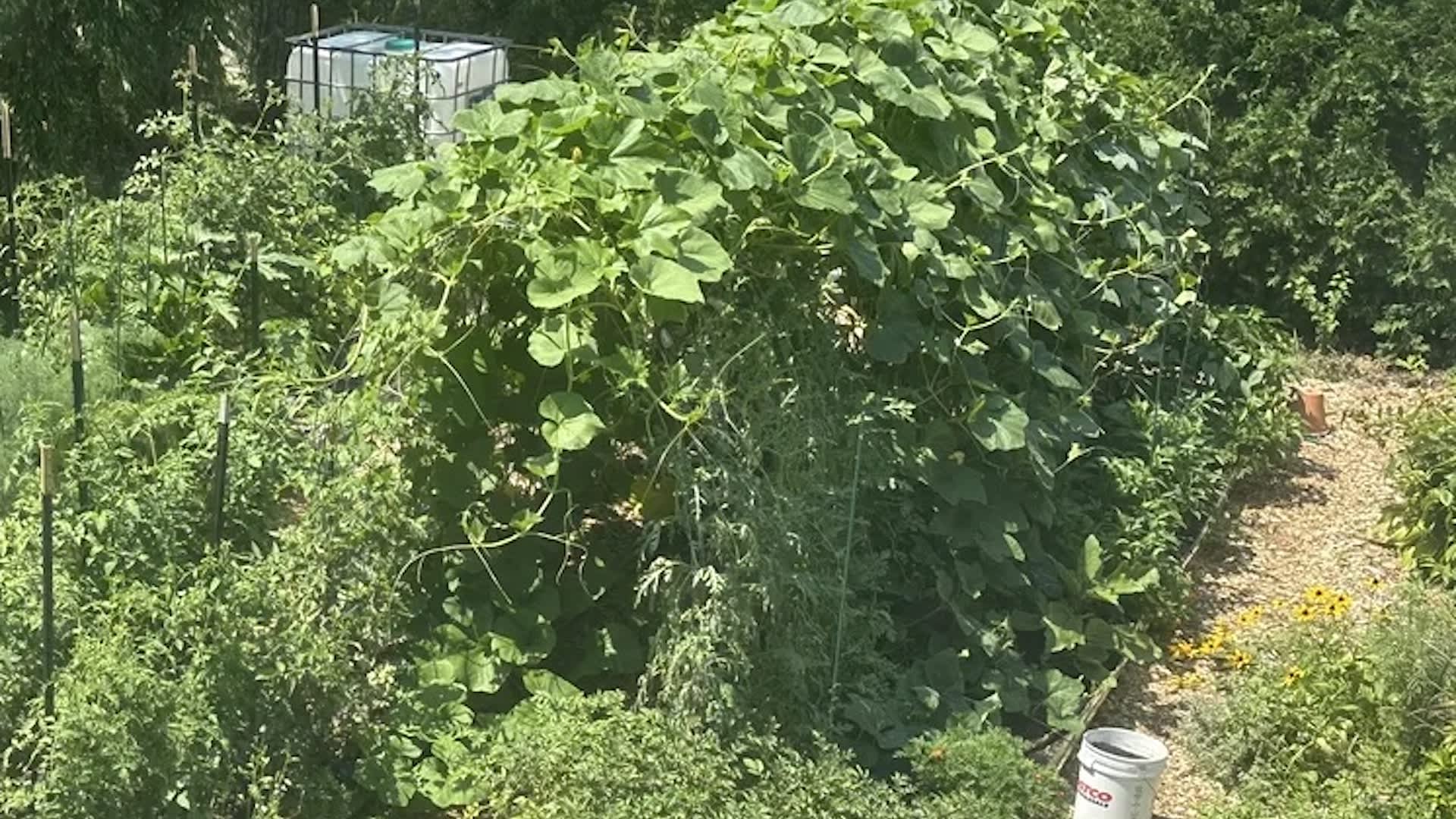
Many home gardeners know the temptation: a seedling looks tiny, the bed looks empty, and the spacing recommendations on the packet can seem overly cautious. That familiar mistake sparked a wave of commiseration on Reddit after a poster shared a photo of an overgrown patch and wrote, “Every year I ignore the spacing instructions and every year I’m shocked when the garden turns into a jungle.”
What happened?
The original poster’s thread drew responses from gardeners sharing their own cautionary tales about pumpkins, broccoli, squash, and other space-hungry crops.
One commenter captured the disbelief many gardeners feel at the start of the season: “What do you mean this 4 inch seedling is going to be 10 feet tall???!”
 Photo Credit: Reddit
In the replies, gardeners said overcrowding quickly turns into a practical problem, not just a visual one. One person with a packed cucurbit bed wrote, “Harvesting anything is … interesting.” Another said pumpkin vines had effectively taken over a walkway that was supposed to stay open.
Why does it matter?
Plant spacing isn’t arbitrary. Those recommendations are meant to account for mature size, sunlight, airflow, and the simple ability to reach crops once they begin to sprawl.
Overfilled beds can also become contests for light and room. In the Reddit discussion, commenters described vigorous pumpkins and similar vines spreading over nearby plants, shutting off access, and leaving smaller seedlings stuck in the shade.
That can lead to lower harvests, more frustration, and more time spent untangling a bed that was supposed to be easy to manage.
Gardening can save money on produce and make a yard more productive, but success often depends on planning around how plants actually grow — not how they look when they are only a few inches tall.
What can I do?
If you’re planning a vegetable garden, one simple step is to trust the recommended spacing listed on the seed packet or plant tag, especially for sprawling crops such as pumpkins, squash, and cucumbers.
Trellising can also help in smaller spaces, and setting aside one section of a yard for vining plants can keep them from swallowing walkways and neighboring beds.
It also helps to think about the entire yard. If you want more room for food-growing or pollinator-friendly planting, replacing even part of a conventional lawn can free up space while reducing upkeep.
Low-maintenance options such as native plants, clover, buffalo grass, and xeriscaping can save money and time on lawn maintenance while also lowering water bills.
Even a partial lawn replacement can deliver those benefits, especially for homeowners who want a more resilient yard without committing to a total redesign. For more ideas, check out these guides on rewilding your yard and upgrading to a natural lawn.
Get TCD’s free newsletters for easy tips, smart advice, and a chance to earn $5,000 toward home upgrades. To see more stories like this one, change your Google preferences here.

Comments are closed.