
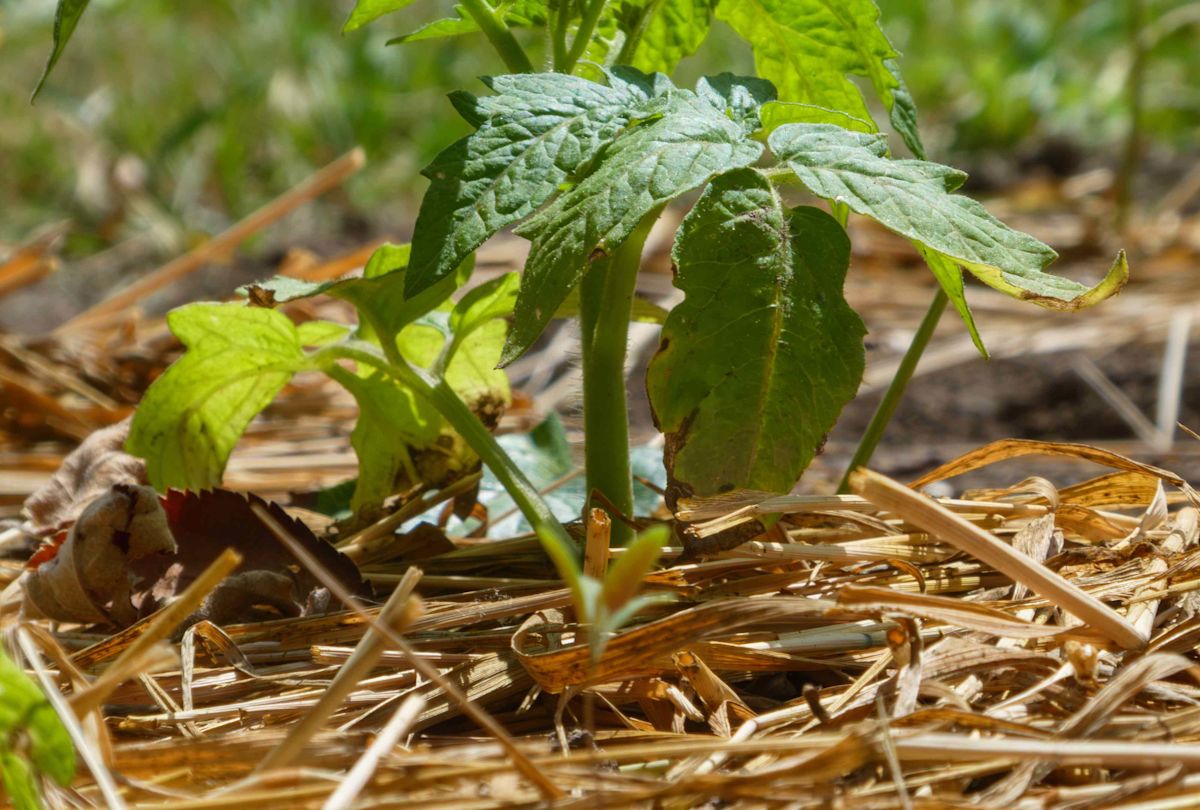
August is one of the hottest times of the year in many regions, so you may be worried about your plants succumbing to the sweltering temperatures. In the vegetable garden, you may be growing a tomato plant or two; unfortunately, especially warm weather can cause them to become stressed.
The good news is there’s an easy solution to this dilemma: a bit of mulch. We asked gardening experts why mulching this time of year is so important and how a layer of mulch can set your tomato plants up for success.
Meet Our Expert
Advertisement
Advertisement
Related: Do You Really Need to Mulch Your Garden Every Year? Here’s What Experts Say
Benefits of Mulching
It may not seem like an especially impactful step, but mulching can make a big difference in your tomato garden. These plants can become easily stressed when temperatures are very warm—this can negatively impact growth, health, and fruit size, says Tammy Sons, gardener and owner of TN Nursery.
“It acts like insulation for the soil, keeping root temperatures cooler, reducing moisture loss, and preventing the constant cycle of the soil heating up and drying out every afternoon,” adds Carrie Spoonemore, co-founder of Seed to Spoon. Mulching can also help suppress weeds, which will compete with tomato plants for water and nutrients.
How to Prepare for Mulching
Before applying mulch, it’s important to make sure the soil is ready. “I like to water deeply first so the soil is well hydrated before covering it,” says Spoonemore. “If I’m adding compost or a slow-release fertilizer, I’ll do that before applying the mulch so those nutrients can work their way into the soil.”
Advertisement
Advertisement
Make sure to clear the area of any weeds, says Sons—these will compete for nutrients and provide a habitat for unwelcome pests. Mulch will prevent new weeds from germinating, so it’s a good way to nip this problem in the bud .
How to Do It
Once the area surrounding the plant is free of weeds and the soil is moist, it’s time to mulch your tomato plants. Spoonemore recommends using natural wood chips for the job: “They last well and do an excellent job insulating the soil,” she says. “Shredded leaves are another fantastic option if you have them available, and untreated straw also works well.” Organic mulches are best, as they will break down naturally over time and improve the soil as they do.
Experts recommend applying a 2- to 4-inch layer of mulch. This is thick enough to retain moisture but won’t prevent water from soaking into the soil. Spoonemore recommends leaving a small gap around the base of the stem, which helps improve airflow and reduce the chance of stem rot.
“Keeping the layer at the recommended thickness benefits the plant and the yield,” says Sons. “It also helps prevent the mulch from being washed away by the rain and blown away by the wind.”
Advertisement
Advertisement
It’s best to be proactive about your mulching—apply when the weather is warm but before it gets swelteringly hot. “It’s much easier to keep the soil cool then to cool it down after weeks of extreme heat,” says Spoonemore.
Care Instructions
After applying mulch, Sons recommends checking your tomatoes frequently. “Check moisture levels regularly in the following weeks,” she says. “Mulch will help with moisture retention, but it will not eliminate the need to water your plants.”
Spoonemore says to continue watering your tomato plants deeply, rather than lightly every day. “I also continue monitoring for pests, pruning lower leaves as needed for airflow, and feeding the plants throughout the growing season based on their growth stage,” she says.
Read the original article on Martha Stewart
Comments are closed.