

Roses should be in full bloom in early August, but it is important for gardeners to act quickly if they still want to keep enjoying these beautiful flowers well into autumn
It will help roses grow bigger and a lot healthier flowers well into autumn(Image: Getty)
Roses ought to be displaying their full splendour in early August, yet gardeners must act swiftly to ensure these stunning blooms continue gracing gardens well into the autumn months. As late summer approaches, many rose varieties may begin showing signs of browning or shedding petals – a natural occurrence that signals the formation of hips.
These small, cherry-sized seed pods indicate that a rose has completed its flowering cycle, potentially leaving the plant bare despite being midway through the growing season. Fortunately, Marianne Songbird, a gardening enthusiast and creator of the DIY blog Songbird, has revealed that extending the flowering period requires minimal effort – simply dedicating a few moments to deadheading.
Marianne explained: “Deadheading roses is a simple yet essential task to encourage continuous blooming throughout the summer. By cutting spent blooms just above a set of healthy leaves or leaflets, you allow your rose bush to direct its energy into producing new flowers rather than developing rosehips.”
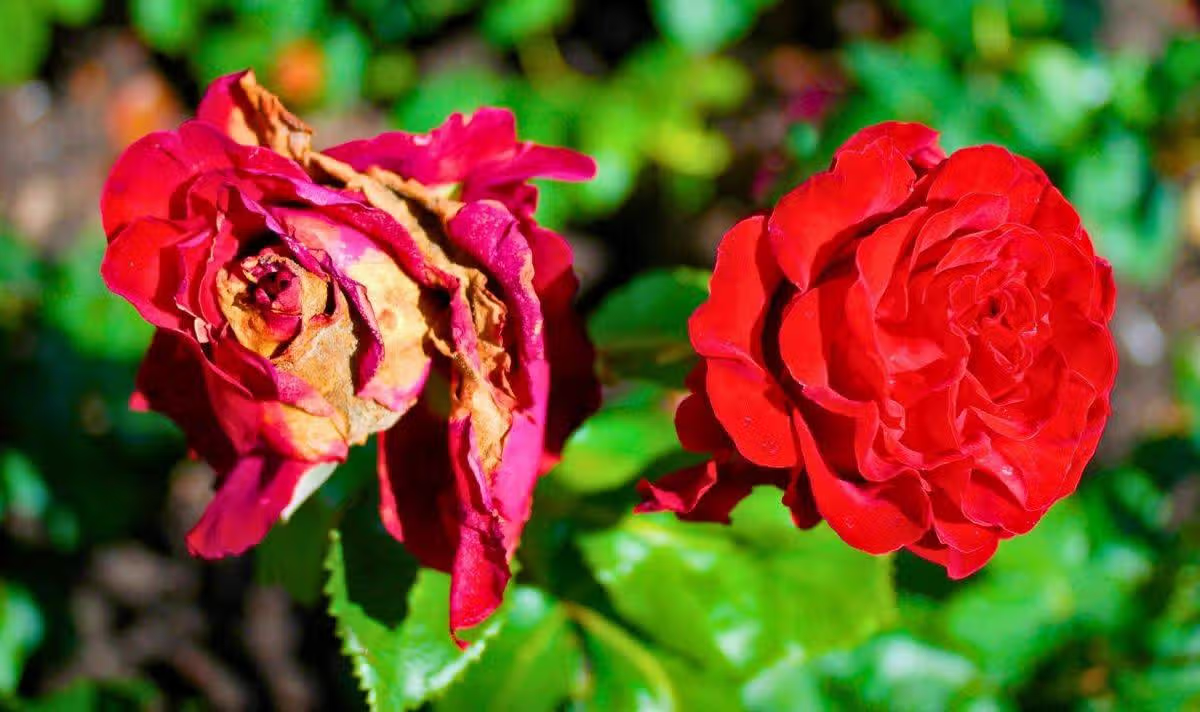
Roses might start to fade and die off in early August but can keep flowering if you act now(Image: Getty)
The importance of deadheading roses now
Deadheading involves the straightforward removal of withered flowers from rose plants, preventing them from channelling resources into developing hips or sustaining fading blooms destined to drop, reports the Express.
When performed in early August, this practice significantly prolongs the flowering period while enabling the plant to focus its vitality on emerging buds. The reward for deadheading your roses now will be healthier, larger and longer-lasting blooms, ensuring your garden remains a stunning spectacle even as the summer draws to a close.

Roses will last a lot longer if you know how to take care of them in August(Image: Getty)
Taking the time to deadhead also improves air circulation around the roses, which is vital in preventing fungal diseases such as black spot — a condition that can cause serious harm to plants come autumn.
It’s a swift gardening task that not only keeps roses looking their best for considerably longer, but also helps prepare them for the changing seasons, all without the need for additional fertilisers.
How to deadhead roses
To get started, you’ll need a pair of sharp secateurs. It’s also advisable to clean the secateurs with isopropyl alcohol or disinfectant wipes after each cut.
Inspect the rose flowers for any petals that appear faded or brown, or are beginning to drop. Additionally, look out for any spindly stems that are unlikely to support healthy blooms.
Trace the spent flower down the stem until you locate the first healthy green leaf with five leaflets — it will resemble a single leaf comprising five smaller leaves attached to one stalk.

Deadheading will take less than five minutes but will help roses last so much longer(Image: Getty)
Cut five centimetres above the five-leaflet, angling the cut at 45 degrees facing downwards, as this encourages water to run off the plant effectively, helping to ward off disease.
Collect any cuttings from the ground, as decaying foliage can attract pests. It really is that straightforward to deadhead roses — a task that should take no more than five minutes, yet will reward you with bigger, more vibrant blooms well into autumn.
Comments are closed.