
“Hearst Magazines and Yahoo may earn commission or revenue on some items through these links.”
When it comes to gardening, it seems like everyone has a tip or two to share, regardless of whether they consider themselves an expert or not. It’s common to search for these tips from friends, family members, or even through online forums, especially if you’re a beginner hoping to kickstart your backyard garden.
With all the gardening-related advice floating around, it’s no surprise that common misconceptions sneak in, too. Be mindful of these common gardening myths, and read on for tips on how to move forward successfully.
You Need to Water Your Plants Every Day
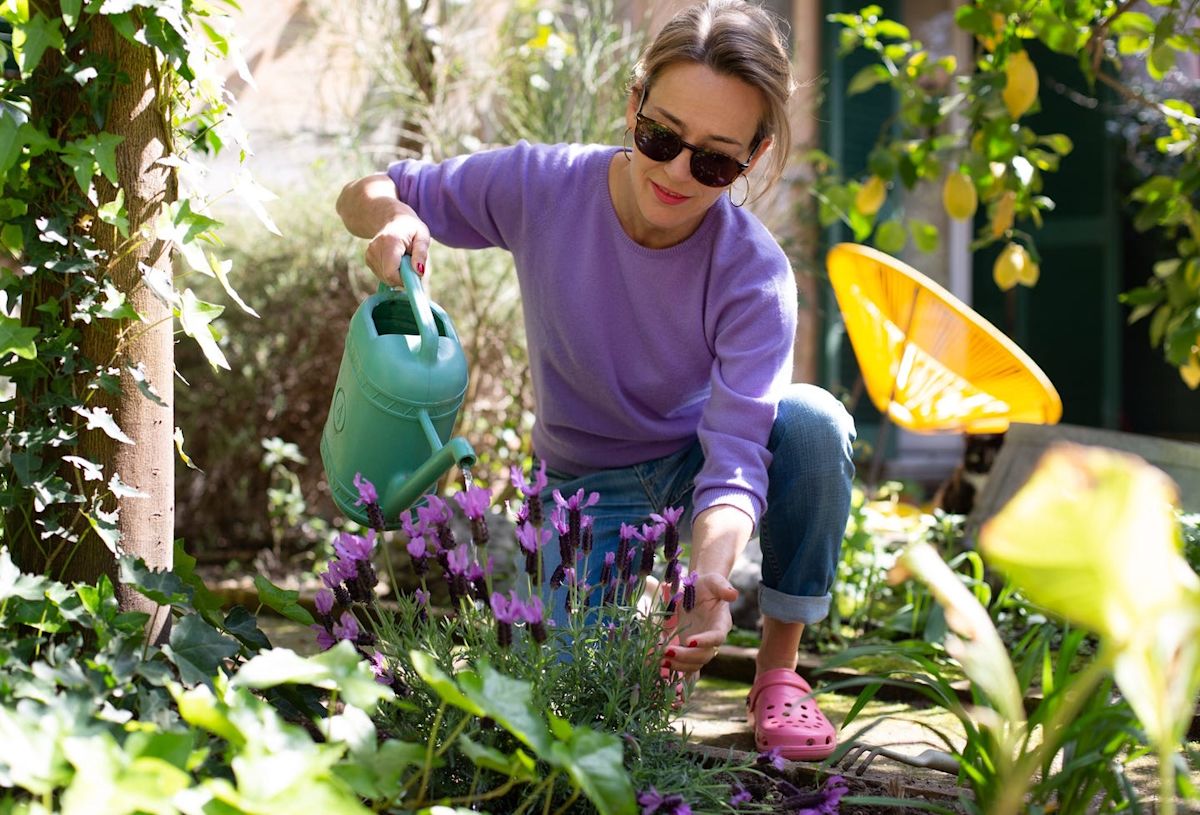
All backyard gardens need watering from time to time, but not all plants need watering every single day.
“More plants are harmed by overwatering than under watering,” says Donna Letier of Gardenuity. “Plant roots need oxygen as much as they need moisture. Instead of watering on a schedule, check the soil first. If the top inch is dry, water deeply. If it’s still moist, let it be.”
Rather than assuming your plants need water, the pros recommend taking a closer look. A plant that looks dry doesn’t always need more water—the issue could be something else entirely.
“If your plant is droopy or folding in its leaves, it may just be trying to minimize sun exposure,” says Lindsey Chastain, founder of The Waddle and Cluck, a homesteading blog.
You Need More Fertilizer
More isn’t always better, according to gardening experts. “You don’t need that much fertilizer. You can actually burn the roots with too much fertilizer,” says Chastain. “Make sure you are using the right type for your plant and follow the package directions for amounts and timing. Or even go a little bit under what the maker suggests.”
Soil Isn’t That Important
Elena Medoks – Getty Images
Sometimes, gardeners are too busy planning out all the plants they’re going to grow in their backyard garden that they overlook one of the most important factors: soil.
“Most people think plants grow in soil,” says Letier. “The truth is, plants grow because of soil. Healthy, living soil is full of beneficial microorganisms that help plants access water and nutrients, develop stronger roots, and become more resilient. When you start with high-quality, living soil, you’re giving your plants a partner that does a lot of the work for you. Think of the soil as the foundation of your garden—when it’s healthy, everything growing in it has a better chance to thrive.”
All Pests Are Bad
Upon first glance, pests might seem like a bad thing—but the pros warn that trying to get rid of all bugs isn’t always a good thing. “All bugs are not bad. You want bees, ladybugs, lacewings, dragonflies, and predatory wasps,” says Chastain. “You don’t want pests that will eat your plants. You don’t need to reach for pesticides at first either. Learn the most common pests that will attack your plants and keep an eye out for those.”
You Need to “Clean Up” Your Garden
When fall comes, you might be tempted to clean up your garden, but the pros actually warn against this for a couple of reasons.
“In the name of ‘keeping things tidy,’ many of us with gardens in urban and suburban neighborhoods will get to work ‘cleaning up’ each fall, but then be surprised when there’s a shortage of beneficial insects the following year,” says Lauren Craig, Permaculture Designer at Humble hive Consulting.
In order to maintain an ecosystem that supports all beneficial life, it’s important to resist this urge. “What we must keep in mind is that the vegetation in our garden beds (annual and perennial) has become the ‘grocery stores’ and ‘apartment buildings’ for the ladybugs, praying mantises, bees, butterflies, etc. we all so desperately want to inhabit our garden spaces,” says Craig.
If Plants Don’t Look Perfect, They’re Not Healthy
MoMo Productions – Getty Images
Sure, a garden with just the right spread of colors and flowers and veggies is always the dream. But just because your garden isn’t perfectly picturesque doesn’t mean it isn’t healthy or that you’re doing something wrong.
“Gardens are living things, not decorations. Leaves turn yellow, herbs flower, tomatoes crack, and every gardener—even experienced ones—loses a plant from time to time,” says Letier. “Gardening isn’t about perfection; it’s about paying attention, learning as you go, and enjoying the process.”
You Need a Large Selection of Plants
It’s easy to get ahead of yourself when you’re planning out your garden. And while it’s always good to be ambitious, starting with too many different plants at once can be overwhelming. That’s why it’s important to celebrate small wins throughout, gradually growing your garden as you go.
“I have found that a bit-by-bit approach is the most sustainable way to start as a beginner gardener, so that you don’t overwhelm yourself and become ‘burnt out’ the first garden season,” says Craig. “I encourage clients to start by planting the foods they consume and enjoy the most because we’re much more likely to care for plants that produce our favorite foods.”
You Have a Black Thumb
MoMo Productions – Getty Images
If you haven’t been successful yet, that doesn’t automatically mean you’re not ready to start your own garden. With so many natural factors at play, experience is the only way to thrive.
“I don’t believe anyone has a black thumb,” says Letier. “Most people have simply been given the wrong plant, the wrong location, or the wrong expectations. Success comes from matching the right plant to the right environment and understanding that every gardener learns through experience.”
You Might Also Like
Comments are closed.