
Key Points
Mulching is the best natural method to prevent weeds from growing.
It blocks sunlight and retains moisture, stopping weeds early.
Choose mulch based on garden goals—looks, soil health, or both.
When it comes to keeping weeds at bay, it’s always best to seek out natural solutions first. This is best for the overall health of your garden, as well as your backyard’s ecosystem. But what’s the best natural solution to preventing weeds?
As it turns out, our gardening pros agree—you can’t beat mulching when it comes to suppressing weeds naturally.
Meet the Experts
Kelly Funk is a gardening pro and the president and CEO of Jackson & Perkins.
Does Mulching Prevent Weeds?
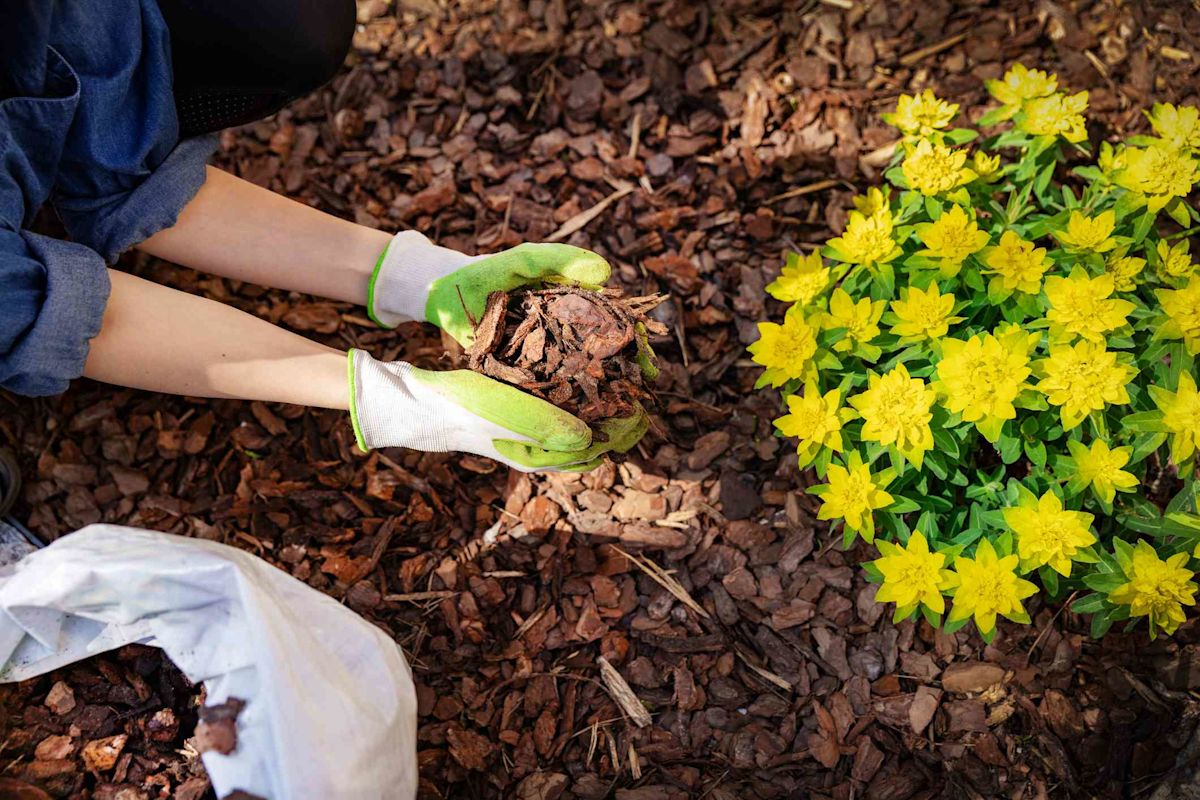
Credit: ozgurcoskun / Getty Image
According to gardening pro Kelly Funk, mulching is the most effective method if you want to suppress weeds naturally.
Advertisement
Advertisement
“It blocks sunlight, which is needed for seeds to germinate,” Funk explains. “If weeds do manage to germinate, mulch makes it much harder for them to break through.”
Horticulturist Justin Hancock wholeheartedly agrees.
“Mulch can be miraculous for weed prevention,” he says. “Most seeds that do manage to sprout under a thick layer of mulch tend to fizzle out before they get to the light, so they don’t grow and mature.”
Mulching also helps lock in moisture, which is counterintuitive for weeds, as they prefer dry, bare soil.
“[Mulch can also] stop new weed seeds from reaching the soil surface,” says Funk, noting that this can help maintain your weed-free garden long after you’ve weeded.
Advertisement
Advertisement
“Some studies show that a good mulch layer can prevent up to 80% of weeds from growing,” Hancock adds.
More Benefits to Mulching Your Garden
Credit: Jena Ardell / Getty Images
Along with suppressing weeds, mulching has a myriad of other benefits, from aesthetic offerings to improving soil health.
“Mulch is particularly helpful in dry, hot, or windy climates where soil tends to dry out quickly,” says Funk, who notes that it helps lock in moisture by reducing evaporation and conserving water.
But it can also aid in temperature control across seasons and enhance the health of your soil by adding nutrients and organic matter into the ground as it breaks down.
“Mulch helps keep roots cooler in summer and warmer in winter,” says Funk. “It helps control erosion by preventing soil from washing or blowing away. Plus, it makes garden beds look tidy and polished.”
How to Pick the Right Mulch
Credit: MementoImage / Getty Images
There are a variety of products you could use to mulch your garden, but Funk says it comes down to picking the right option for your needs.
Advertisement
Advertisement
She suggests assessing the below and making a choice accordingly.
Gardening goals: If you’re looking to enrich the soil, Funk says you should opt for organic mulches, like bark, straw, and compost. Inorganic options, such as gravel or rubber, are better if you need a long-lasting or low-maintenance solution.
Garden type: For a vegetable garden, Funk suggests choosing a straw or leaf mulch, while bark or woodchips are ideal around trees and perennials.
Climate: Mulch that doesn’t hold too much moisture is preferable in a wet climate, while Funk says you’ll want the opposite in a dry climate.
Aesthetic: Some options, such as bark, cocoa hulls, and dyed mulch, will look more polished than straw or leaves, which Funk says leans more rustic.
Beyond the above, Funk says it’s also important to consider how you lay your mulch. You don’t want to use more than four inches of mulch, as you run the risk of suffocating your plants’ roots and retaining too much water. You also need to spread it evenly and carefully.
“Avoid mulch piled against stems or trunks in ‘mulch volcanoes,’ as this can cause rot,” she says, before noting you also should avoid anything dyed with an unknown source, as these can contain harmful chemicals.
Advertisement
Advertisement
Lastly, refreshing your mulch is important. Funk suggests doing this once or twice per year.
“Water before and after applying mulch to garden beds to help lock in moisture,” she adds.
6 Other Natural Weed Controls
Credit: Francesca Yorke / Getty Images
If you’re looking for other natural options to keep weeds away, Funk suggests the below.
Hand-weeding, which Funk notes is tedious but effective when done often enough.
Dense planting, which focuses on ground covers and closely planting your crops to strangle out weeds.
Cover crops can suppress weeds and add nutrients to your soil.
Boiling water or vinegar spray is handy for spot-treating weeds in cracks or paths, but Funk says you need to be careful about spraying other wanted plants.
Flame weeding uses controlled burning along paths and larger spaces, but isn’t an option in certain regions or areas and requires serious safety precautions.
Cardboard or newspaper layers can be placed under mulch to further smother weeds and enrich the soil.
Read the original article on The Spruce
Comments are closed.