
Powdery mildew, a common fungal plant disease, can quickly turn a healthy zucchini or squash patch into a frustrating problem. But according to one gardener with a background in soil science, the best way to fight it may be simpler than you think.
What’s happening?
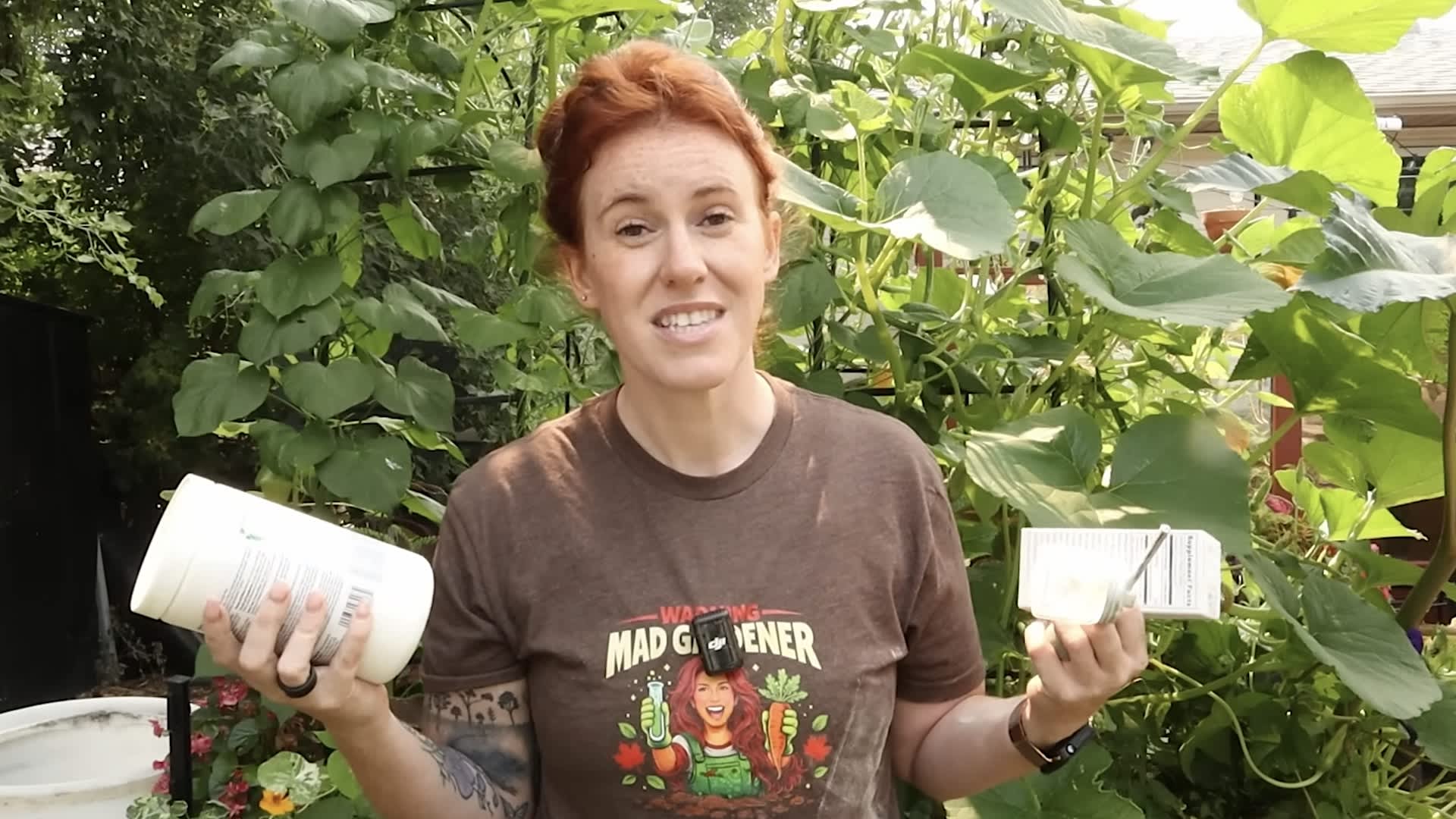
Ashley (@GardeningInCanada), a soil science and gardening expert behind the YouTube channel Gardening in Canada, shared a science-based guide explaining how gardeners can prevent and treat powdery mildew in a recent video.
In the video, Ashley explained that gardeners get better results when they focus on predicting outbreaks and stepping in early instead of waiting until the white coating is already visible.
“The key to doing well at battling powdery mildew comes down to two factors: knowing when it’s going to show up and actually interfering just prior to it showing up,” Ashley said.
In her explanation, Ashley said it’s helpful to track growing degree units, or GDUs, alongside dew point and overnight low temperatures, since the danger increases when warm conditions coincide with humid air and the dew point sits near the nighttime low.
Potassium bicarbonate, she said, can create what she called a “burn-down effect” on fungal growth, while sulfur is meant to be used as a preventive measure.
Once mildew has started to show up, she said, “Your better option is going to be milk and whey powder.”
Why does it matter?
Powdery mildew can weaken plants and shrink harvests in cucumbers, squash, pumpkins, tomatoes, and grapes.
Healthy home gardens can help families save money on produce while also providing fresher fruits and vegetables. Gardening can also encourage more time outdoors and light physical activity, and it has been linked to stress relief and better mental health.
By tracking your local temperatures, dew points, and plant growth, you can actively predict and potentially prevent harmful diseases like powdery mildew from showing up in your garden.
What can I do?
Ashley suggested watching for conditions that favor mildew rather than waiting until leaves are already visibly coated in white.
For gardeners who are not tracking the weather data closely, she said sticky, humid air in late summer can be a practical sign that mildew-friendly conditions are in place.
In the comments, people thanked the creator for the suggestions.
One viewer wrote, “Just ordered some sulfur powder and a duster!! Don’t have powdery mildew yet, thank goodness, but I want to be ready.”
“I’ll definitely be using this advice this fall growing season,” another wrote.
Get TCD’s free newsletters for easy tips, smart advice, and a chance to earn $5,000 toward home upgrades. To see more stories like this one, change your Google preferences here.

Comments are closed.