


Hydrangeas might start looking drooping and dried out after all the summer heatwaves (Image: Getty)
Hydrangeas should be covered in lots of vibrant blooms and usually do not need too much work in early August, but there is an easy way gardeners can ensure they continue to flower. Summer is usually a time when gardens are looking their best but this year it has been scorching hot, and plants are now starting to show the effects of the many heatwaves.
Gardeners should be aware that hydrangeas are one of the thirstiest flowers in a garden due to their giant size, and they are known to start to droop and die off in warm weather. August can be a dry month at the best of times, and even without hosepipe bans, it can quickly become exhausting having to constantly water hydrangeas to keep them healthy. However, Anne Gibson also known as The Micro Gardener, has shared it is possible to keep hydrangeas hydrated without having to constantly reach for a watering can as long as you mulch them.

Hydrangeas become much easier to care for if you make sure to mulch them (Image: Getty)
Anne said: “Hydrangeas have a fibrous root system that is close to the soil surface. So it is important to mulch well. I prefer to use a ‘feeding’ mulch which breaks down to add more organic matter to the soil.
“Mulches such as sugarcane, hay, lucerne, pea straw, grassy mulch hay, even grass clippings (no seed heads) will all add valuable nutrients to the soil. Mulch also protects your hydrangea from losing too much moisture from the soil.”
Why mulch hydrangeas in early August?
Mulching is the gardening practice of covering the soil around a plant with material in order to protect the soil, and in summer, it is usually done to conserve moisture.
Hydrangeas need a lot of water as they have shallow roots that will be more exposed to heat as they sit near the top of the soil rather than burying into the ground like most other plants.
Adding organic matter around hydrangeas now will act like a sponge, soaking up excess water that slowly drips back into the soil to help protect the roots from summer stress.

Mulching hydrangeas will help keep their flowers hydrated so they last longer (Image: Getty)
Mulching simply means you will not have to water hydrangeas quite as often, and it helps keep their current flowers looking fresh, so they stay looking beautiful for much longer.
Certain hydrangea plants, like mopheads and lacecaps, will now start to grow next year’s flower buds, so mulching will also help keep the plant strong so you will also get the best blooms possible in the future.
How to mulch hydrangeas
To begin, you will need a nutrient-rich organic mulch that will retain water to protect the hydrangea roots. You can use compost, but Anne also suggested sugarcane mulch, lucerne hay, pea straw, grassy hay or even leftover grass clippings.
You can use whatever mulch you wish, as most natural ones hold moisture well, but be careful with grass clippings, as they are known to contain seeds and may need to be checked more often.
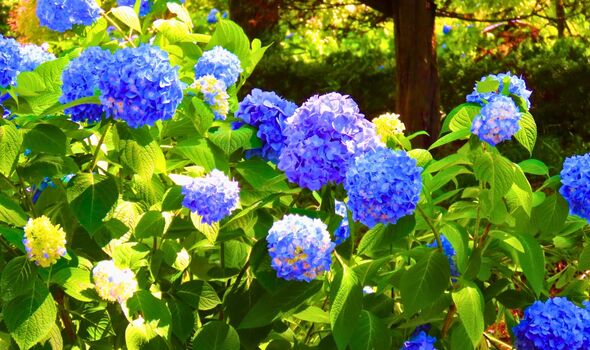
Taking the time to mulch should help keep your flowers healthy for the rest of summer (Image: Getty)
Once you have your mulch, prepare the area around the hydrangeas by pulling up any weeds and watering the soil well so help soften the ground.
Next, spread a layer that is roughly five to 10 centimetres thick over the soil around the hydrangea. Cover the area beneath the shrub, but make sure to leave a small gap around the base of the plant.
It is important to leave a gap as mulch contains a lot of water, and if it is touching the plant foliage, then it can cause the stems to rot, develop mould or attract fungal disease.
Then, you just have to keep an eye on the mulch and top it up once it decomposes. However, it should help keep your hydrangea healthy despite the dry weather so you can enjoy its magnificent flowers well into autumn.
Comments are closed.