
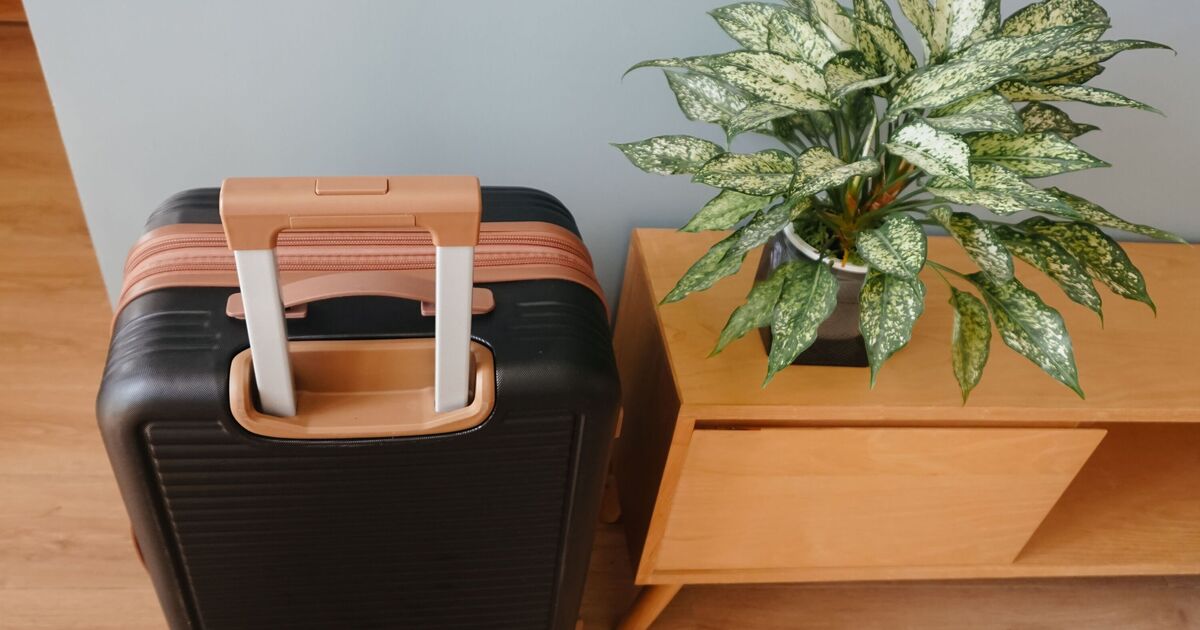
Most plants can tolerate a few days of absence, according to the Royal Horticultural Society (RHS). However, any more than that can be detrimental to their wellbeing. Fortunately, if you do not have a neighbour, friend, or family member who can check in on your plants whenever necessary, there are multiple ways you can keep your plants hydrated and well cared for whilst enjoying a break away.
Experts at the RHS have put together a guide to caring for houseplants throughout your summer holidays. They advise that for any short absence, simply give them a “thorough watering”, and to move them to a cooler room or away from a bright window to prevent them from drying out.
However, anyone planning to be away for a longer period should consider the four “special measures” to prevent plants from suffering or drying out.
The first is the wick method, useful for large single-pot plants. For this, you will need a large container to hold water and a piece of capillary matting as a wick.
Fill the container with water, then insert one end of the wick into the reservoir and tuck the other end into the plant pot. This will allow your plant to draw on the water reserves.
Those who have smaller pot plants should use the capillary matting method, which involves placing a sheet of it on the kitchen sink’s draining board or surface next to the bath, and then draping one end of the matting into the sink or bath, which is filled with water.
Make sure your plants are grouped on the wet matting, pressing them down slightly to ensure they make good contact, the experts added. If you have clay pots, you must give them a thorough watering first so they can start drawing up water from the mat.
Covering plants is another easy method. Simply place a reusable clear cover over the plant to retain moisture. This should be for short-term absences only, and ensure that the cover or bag is out of contact with the plant by supporting it with canes.
The final method the RHS recommends is self-watering containers with built-in reservoirs. This is best used for plants that require year-round moisture and can be permanently grown in moist conditions.
Additionally, it is best for long-term growth rather than short holiday absences.
Comments are closed.