
Text to Speech audio articles made possible on the CAST11.com podcast network by Fain Signature Group.
Ken Lain, the Mountain Gardener, takes on the late summer challenge of protecting gardens from pests while keeping beneficial insects safe. He highlights common problems that can damage flowers and vegetables, along with practical, targeted solutions that work with the garden’s natural balance. With a focus on organic approaches and seasonal awareness, he offers a thoughtful way to keep landscapes healthy without disrupting the life that makes them thrive.

Late summer in the garden is a bit like a marathon; we’ve made it through the heat of July, and the finish line of autumn is in sight, but the “pests” are looking for a snack. In August, the garden is teaming with life. While we want to keep our zinnias and salvia looking pristine, we have a sacred duty to protect the bees and butterflies that sustain our local ecosystem.
Managing a garden organically isn’t just about what you don’t use; it’s about choosing the right tools that target the bad guys while keeping the “good bugs” safe.
7 Pests That Destroy Flower & Vegetable Gardens
#1 Aphids – Gardeners everywhere curse the presence of tiny aphids on roses, honeysuckle, kale, and plants typically found in spring and autumn. The sucking action of these pests causes growth deformities of flowers and foliage. However, aphids cause more havoc in the garden by transmitting viruses and promoting the growth of mold and fungus.
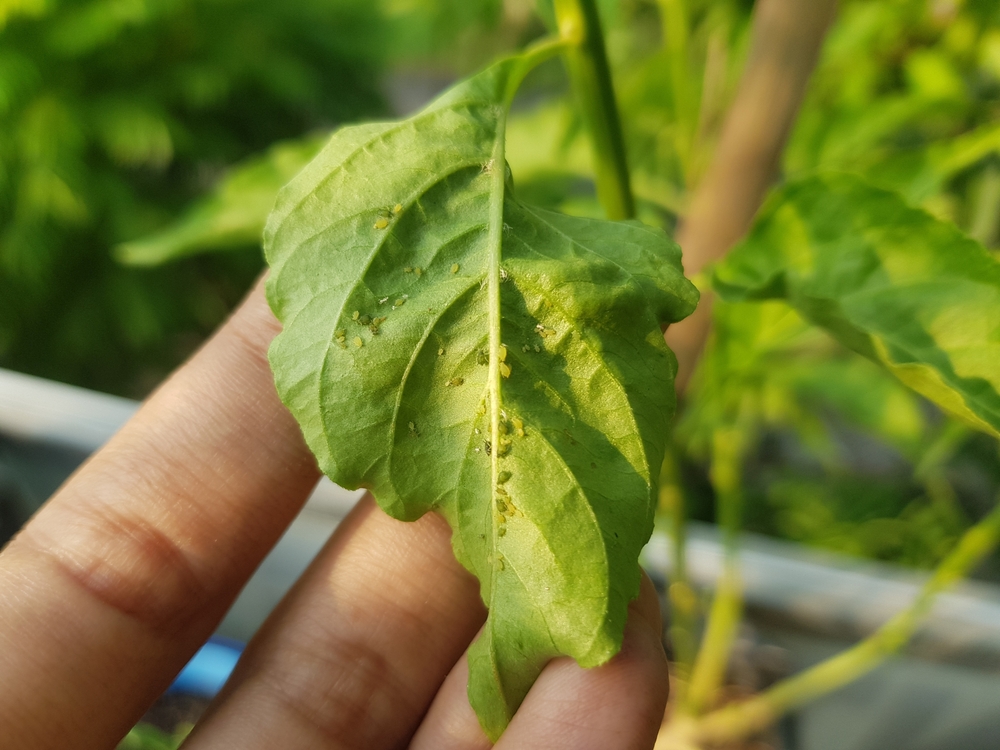
Aphids
Discourage aphids naturally. Plant sweet Alyssum in the garden to draw beneficial wasps. Include Cosmos to attract hungry lacewings and add penstemon or yarrow to attract ladybugs. Release ladybugs in your garden. A single ladybug consumes as many as 5,000 aphids. Triple Action Neem Oil is quick-acting against aphids. It has a repelling effect that keeps them naturally away from the garden.
#2 Borers are insidious, destroying flowering plants from the inside out.

Borers
The worst borer in the flower garden is the iris borer, which tunnels through an entire iris rhizome, leaving bacterial rot in its wake. Be suspicious if you notice sawdust material around the base of irises or ragged leaf margins. Pinprick holes in the leaves of the iris are signs of tiny caterpillars infiltrating leaves and eating their way into the roots. Prevent borers and their eggs by removing iris foliage in autumn. Apply Systemic Rose Food in spring to keep borers out permanently.
#3 Leafhoppers are about an eighth inch long and look innocuous enough. They like eating the soft underside of leaves and spreading disease, showing up as distorted leaf tips and edges. The green insects don’t congregate in large numbers and hop away when approached.
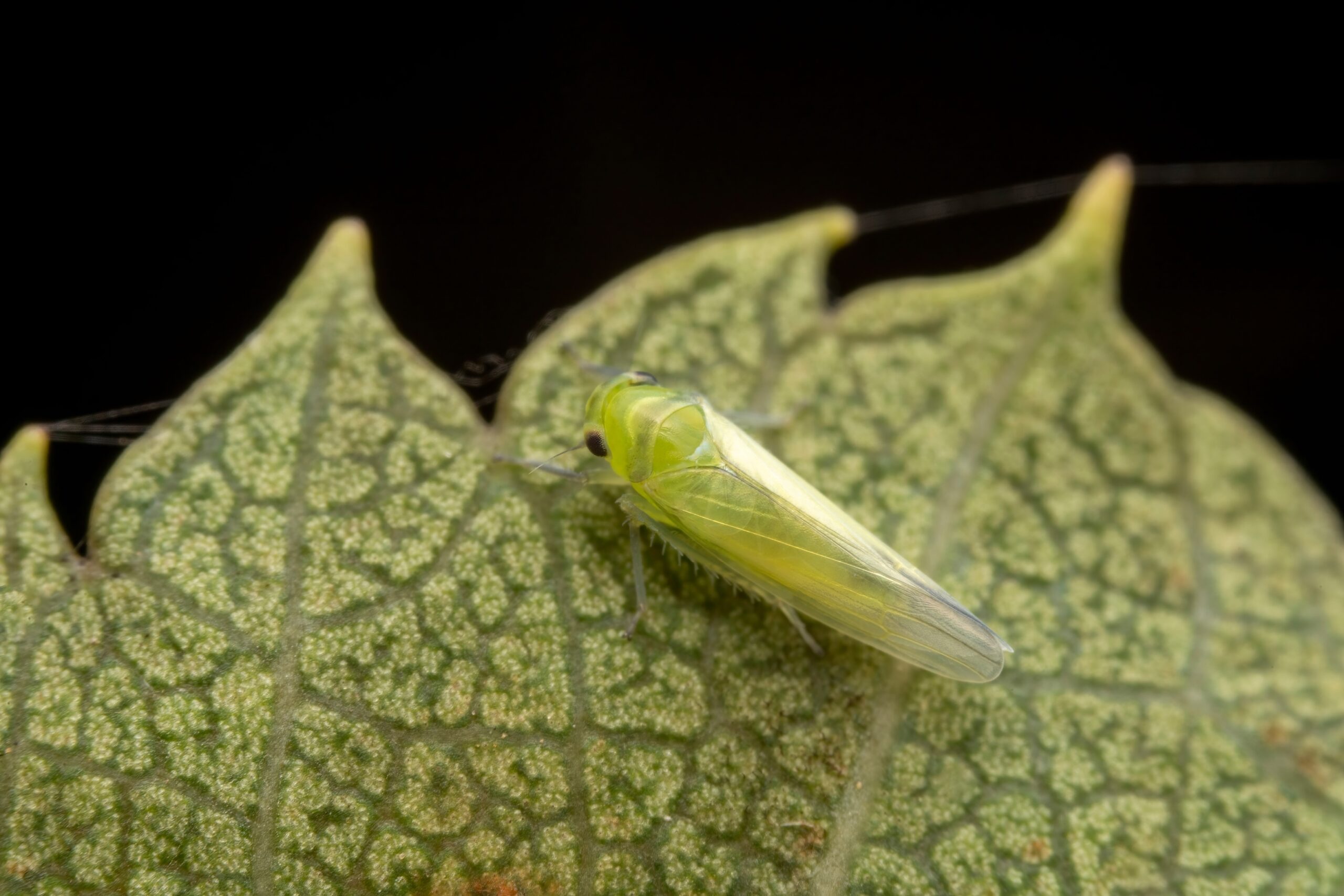
Leafhopper
Keep dandelions and thistles out of the flower garden, as they provide cover for leafhoppers. Remove debris from the garden at the end of the season to eliminate overwintering. Encourage beneficial insects, such as ladybugs, lacewings, and pirate bugs, which eat leafhopper eggs and larvae. Spray adults with Watters Bug Blaster.
#4 Mealybugs draw little attention, as the pests are only 3/16″ inches long and move slowly. If you notice white fuzzy growth on plants, you have a mealybug. They excrete honeydew that causes molds. When enough mold accumulates on foliage, it reduces photosynthesis, weakening the plant and making it even more susceptible to garden pests. Using Triple Action Neem Oil, sprayed directly onto clusters of Mealybugs, is the best defense.

Mealybugs
#5 Plant Bugs is a term that encompasses several true bugs, members of the order Hemiptera. The most common plant bugs are the cinch, harlequin, and squash bugs. Like leafhoppers, plant bugs inject toxins into your plants’ leaves, buds, and shoots as they feed. The result is a plant mottled with brown spots and deformed growth. Plant bugs often have an unpleasant odor. Dahlias, azaleas, daisies, liatris, and asters are just a few flowering plants these bugs commonly feast upon. Spraying young bugs with Watters Bug Blaster to control Plant Bugs.

Plant Bugs
#6 Scale insects may not even seem alive. The waxy covering resembles lichen or other natural growths on their host plants. The scale under this waxy covering is active and feeds on plants year-round. Damage appears as stunted growth, leaf drop, and yellow spots on leaves. Horticultural Oil is highly effective for scale control when temperatures are under 90 degrees.

Scale
#7 Whiteflies flutter about plants like an ephemeral cloud when disturbed. Their damage is formidable. Spreading viruses and disease leaves the plants stunted and turning yellow while the flies suck the plants’ sap dry. Take advantage of their small size and weakness by using a vacuum to remove these bugs from plants. Natural predators such as ladybugs and lacewings are a natural solution. Watters Bug Blaster works well on heavy infestations.

Whiteflies
#8 Grasshoppers – When grasshoppers move in, they can strip a landscape bare. While pests like aphids and borers hide, grasshoppers are bold invaders that require a strong perimeter defense. To stop these jumping marauders, apply Hi-Yield Turf Ranger granules to your lawn and garden borders. This treatment creates a protective barrier that controls grasshoppers on contact, preventing them from snacking on your prized vegetables and specimen flowers. Simply spread the granules and water them in to activate the protection. Amazingly, one bag controls up to 20,000 sq ft.

Grasshoppers
A Neighborhood Note
Gardening is a journey of discovery. When we choose organic paths, we aren’t just growing flowers; we’re growing a habitat. Take a moment this week to sit on your porch and watch the butterflies. When you see a Swallowtail landing on a bloom you protected, you’ll know all that weeding and organic spraying was worth the effort.
Free Gardening Classes Every Saturday @ 9:30 am
Join us for these upcoming topics:
August 1: Fast-Growing Trees for Quick Landscapes
August 8: Bug-Free Blooms for Stunning Gardens
August 15: Hot Weather Blooms for Vibrant Prescott Gardens
Until next week, I’ll be helping gardeners with bug-free gardens here at Watters Garden Center.
Ken Lain can be found throughout the week at Watters Garden Center, 1815 Iron Springs Rd in Prescott, or contacted through his website at WattersGardenCenter.com or Top10Flowers.com.
Get more gardening tips from Watters Garden Center in the Mountain Gardener Column on Signals A Z.com.


Garden Wisdom Awaits: Subscribe for Expert Tips!
If you like this story, consider subscribing to Signals Updates,
Entertainment Events & News!
Show Me How
Comments are closed.