
 4 min read
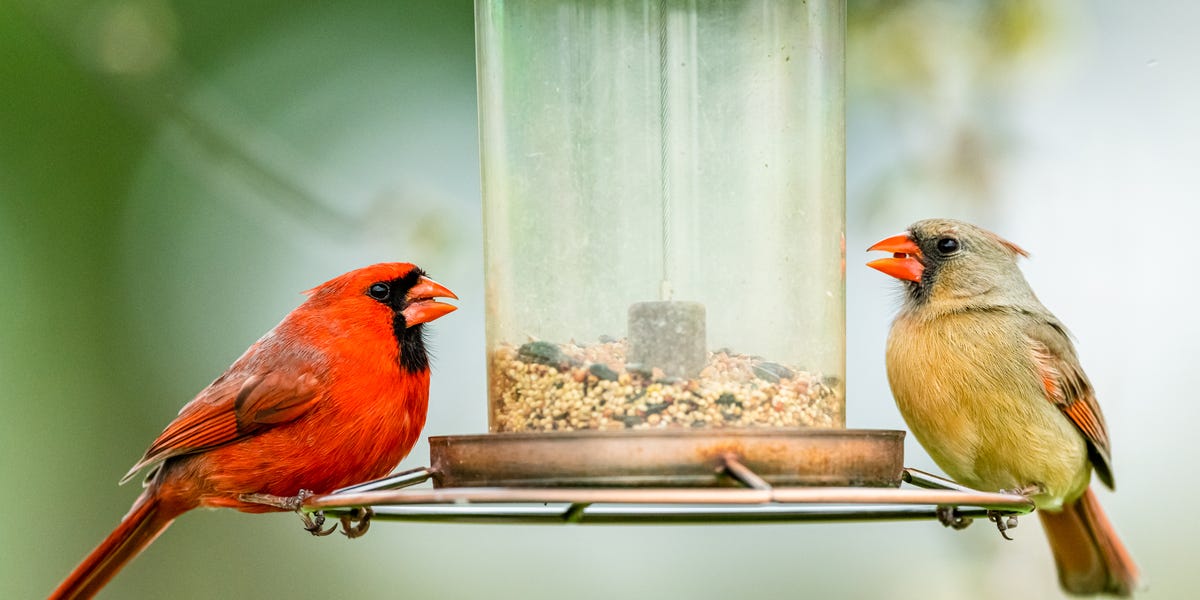
Even among the younger members of Gen Z, birding has evolved into an incredibly popular pastime, with smart birdbaths and bird feeders selling like hotcakes. But for avian aficionados, nothing can be more unsettling than seeing fine-feathered friends suddenly flying the coop from backyard feeders. It seems to be an all-too-common occurrence at this time of the year, and so to find out more about why birds suddenly stop coming to your feeder (and how to bring them back), we checked in with a pair of experts.
According to Robert Mulvihill, lead ornithologist at the National Aviary in Pittsburgh, Pennsylvania, the good news is that a midsummer lull in bird feeder activity is commonplace. “It is not a cause for any concern,” he says. “Birds may tend to spend much less time at bird feeders at this time of year because there is such a bounty of natural foods available, including insects, berries, and fresh weed seeds.”
This is not to say that there’s nothing that can be done to make your feeders more enticing to birds from July through September, or that (heaven forbid!) you should just toss in the towel entirely for the next couple of months. If you fill the feeders, they will come. Eventually.
“Even during the summer lull, adult birds may occasionally stop at your feeders for some ‘fast food’ for themselves,” Robert says. “And within a couple weeks after they fledge from the nest, young birds may begin to follow their parents to your feeders and beg from them.”
Below, we’ll look at conditions that can amplify this natural downturn in summertime feeder visits and answer your questions about the best ways to bring the birdies back.
Why do birds suddenly disappear from feeders? Ingunn B. Haslekaas//Getty Images
Predators like cats and hawks can drive birds away from feeders.
While the widespread availability of good eats in the summertime is probably largely responsible for your favorite winged wonders ghosting you, there may be other factors at play. That includes what Dr. August Abbott, avian health expert for JustAnswer and founder of The Broken Birds sanctuary in Grass Valley, CA, calls other visitors disrupting the clientele.
“If raptors (meat-eating birds) have moved into the neighborhood,” she says, “the only choice for the seed-, fruit- and nectar-eating birds is to leave the neighborhood before they’re seen as menu items rather than neighbors.”
Robert says that complete absence of birds at feeders is a sign that they don’t feel safe in your yard, and that’s usually due to the presence of predators. But raptors aren’t the only critters that pose a danger to smaller birds. The American Bird Conservancy estimates that 2.4 billion birds are killed each year in the U.S. alone by cats.
“And cats, in particular, can keep birds away from feeders for extended periods of time,” Robert says, “because they tend to lie in wait longer than natural predators like hawks.”
Will birds come back to my feeder?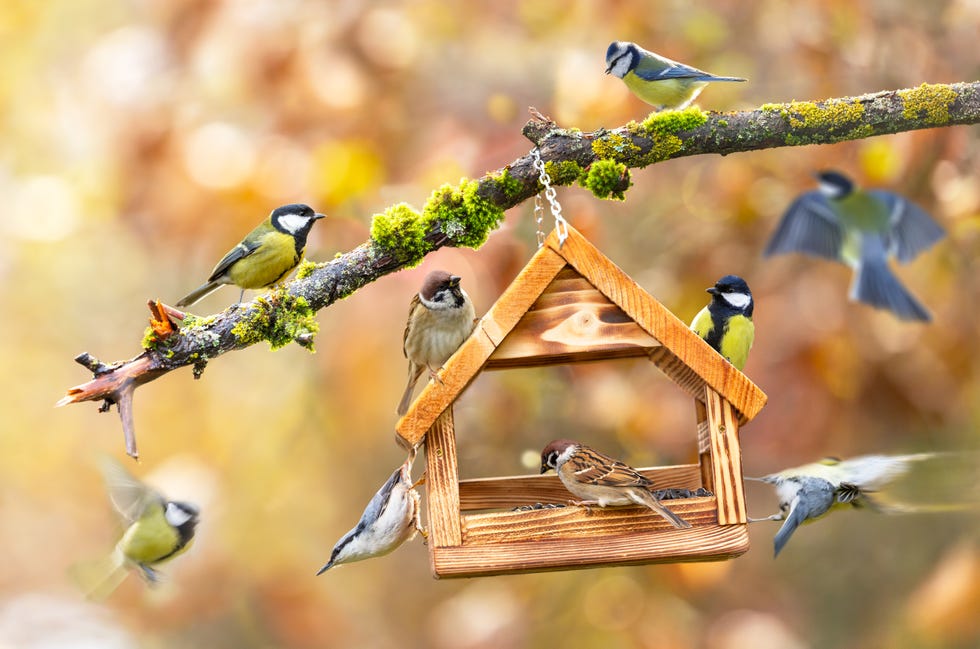 nitrub//Getty Images
Nuthatches, great tit, blue tit, and sparrows flock to a feeder.
Once predators move on, birds should wing their way back to your feeders, although there are things you can do to encourage their return. Make sure that you place your feeder in a bird-friendly spot, with a mix of both cover (like shrubs) and open space nearby. They should be able to fly to and from it without an issue, but not feel too exposed. In addition, especially in the summer, shade is an important consideration.

Add Country Living as a preferred source in your Google search results.
Use your Google account to add this to your settings.

Add to Google settings
“A feeder hung in full sun for too long isn’t so much a pleasure for birds to visit as it is uncomfortable,” August says.
You’re also going to want to keep your feeder clean, washing it with a disinfecting solution every couple of weeks. Make sure you rinse and dry it well before adding new seed, which you should replace often to ensure it’s fresh and doesn’t mold or spoil. And don’t even think about feeding wild birds items like bread, cookies, or crackers.
“Our children love to eat candy and ice cream, but it doesn’t mean we give them all they want,” August says. “With birds, giving them any amount of bread, etc. is too much ‘junk food’ for them with virtually no nutritional values whatsoever.”
Lastly, keep that feeder full! In the world of bird feeders, if you snooze, you lose. “If you let the feeders go empty for too long or too often, this becomes an unreliable food source and other options may be chosen, like the neighbor’s feeders,” August says. “Birds like knowing their food source is reliable so be that steadfast factor in their lives.”
How to attract birds to your feeder
For folks that would like to create a mini bird sanctuary in their garden, it doesn’t have to be all about feeders. You might want to consider planting native flowers, shrubs, and trees that can provide food or shelter to your favorite birds. Different species seek different plants—bluebirds, for example, eat a variety of native berries in fall and winter, while nectar-producing flowers draw orioles.
Just a bit of research will tell you not only which plants the prettiest songbirds love, but also what feed they’ll flock to, and even what type of feeder they’ll need. That can include everything from trays and hoppers to tubes, window mounts, and suet feeders. Once you’ve figured that out, you’ll also want to think about getting a birdbath.
 Barbara Rich//Getty Images
A group of western bluebirds at a birdbath.
According to Robert, by providing a fresh, clean water source during the summer, you can draw birds back to your yard that are turning their beaks up at your feeders. “While natural foods are becoming more available to birds throughout the summer, water for drinking and bathing often becomes scarcer,” he says. “I recommend providing water in a dish that is easy to clean and refill, which is to say, not the standard concrete birdbath, which is heavy and hard to keep clean.”
By taking care of the birds, they’ll take care of you. Not only do feeders provide four-season enjoyment thanks to the pleasures of bird-watching, but, as Robert adds, “Birds visiting your yard will provide practical ecosystem services by preying on insect pests in your vegetable garden and your landscape planting!”
Comments are closed.