

When I visited Old Salem in Winston-Salem, North Carolina, part of their interactive restored history, the hellebores were blooming, which was enough to make me linger. Then I saw the gardens behind the historic homes. Their neat paths, flowers, vegetables, and fruit trees felt like the prettiest possible reminder that planning a garden layout is hardly a modern preoccupation.
The gardens visitors see today are researched restorations based on Moravian diaries, maps, paintings, and later photographs. Those records show gardens had been essential to life in Salem since the town was established in 1766. Food-growing belonged to the larger design of the home, and useful plants filled orderly backyards that were also genuinely lovely.
SIGN UP for the Dengarden / Parade Home & Garden newsletter for a weekly dose of our favorite house hacks, decor trends and shopping deals.
The Original Layout Made Every Inch Count
 Garden beds at Old Salem Museum & Gardens
Old Salem Museum & Gardens
Early Salem was a town rather than a farming community, but every residential lot included a fenced garden. Lots were typically 66 by 200 feet and used intensively. Vegetables, herbs and flowers shared European-style garden squares divided by paths, while grapes grew along fences and fruit trees occupied the rear of the property.
The restored Miksch Garden shows how pretty that practical arrangement could be. Apple and pear trees are espaliered along fences, which means their branches are trained to grow flat against a support. Peach trees stand at the lot edges, while herbs and flowers fill border beds. In the Single Brothers’ Garden, grapes and gourds climb the fencing around terraced squares of heirloom crops.
Even the choice of fruit tree involved some pioneer arithmetic. During our tour, an Old Salem guide explained that peach trees produced well for about a decade, while apples could continue to produce for roughly 2.5 decades. Residents generally favored apples as the better long-term investment. Trees were earning their keep long before “edible landscaping” became a phrase.
How to Borrow the Idea for a Modern Backyard
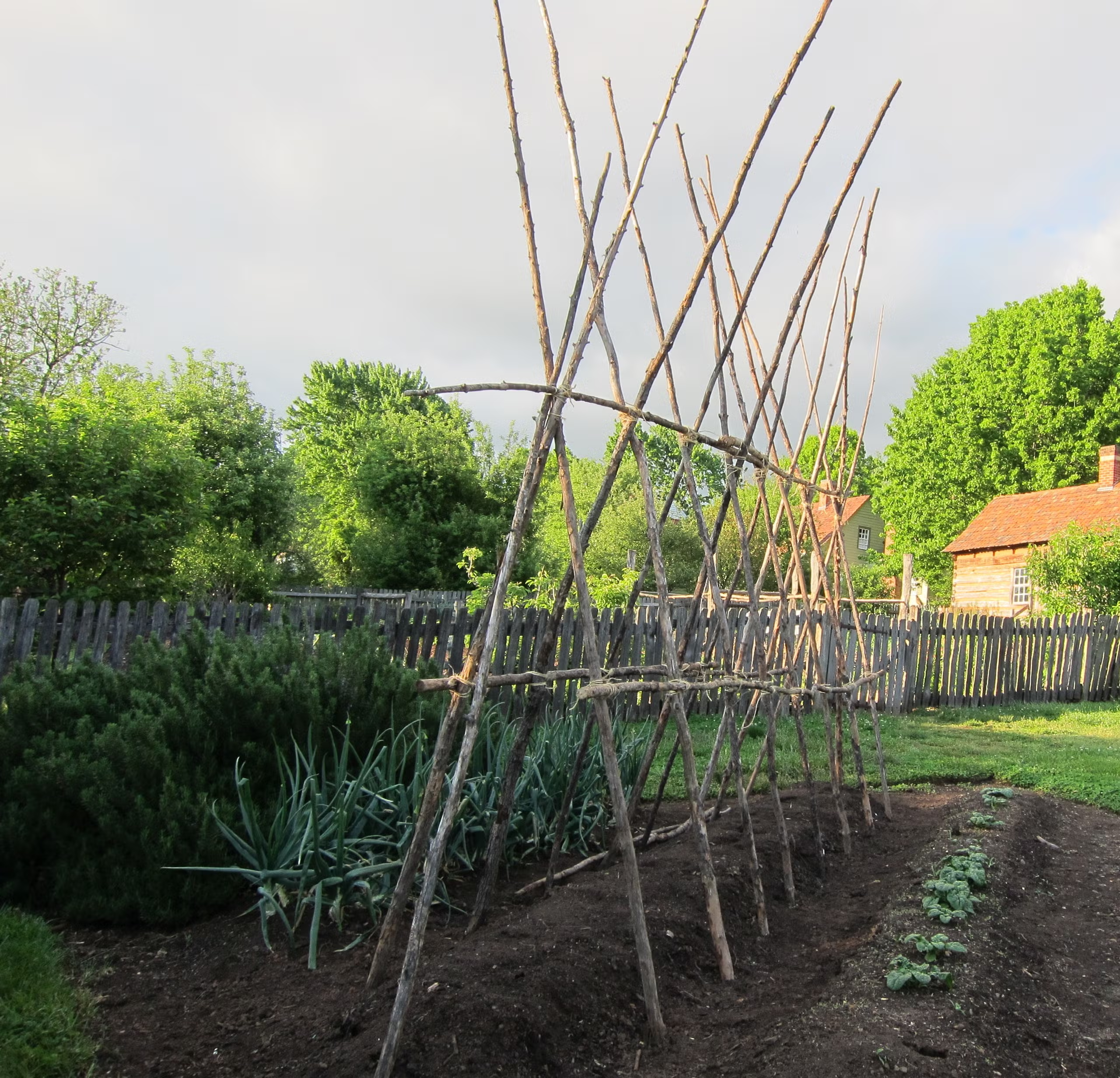 Trellis at Old Salem Museum & Gardens
Old Salem Museum & Gardens
A 66-by-200-foot lot is optional. Begin with one or two square or rectangular beds, leaving a defined path you can walk comfortably and keep weeded. Plant vegetables alongside herbs and flowers with similar sunlight and water requirements. That combination gives a food garden some of the warmth and color that made Old Salem’s plots so inviting.
Then look to the edges. A sturdy trellis or fence can support peas, beans, gourds, or grapes without taking up more space. Gardeners with room for a fruit tree can borrow the espalier technique and train an apple or pear flat against a suitable support. Check which fruits grow in your climate and whether the variety needs a second tree for pollination before planting.
Old Salem’s horticulture staff also “feeds the soil” with compost and green manure, grows heirlooms and saves seeds from open-pollinated plants. At home, begin with finished compost and one locally adapted heirloom. If you want to try seed saving, Penn State Extension recommends starting with open-pollinated crops; beans and peas are relatively easy because they mostly self-pollinate.
The loveliest lesson from Old Salem is that usefulness can be just as beautiful as an ornamental garden. A small bed can hold produce you will eat alongside flowers you enjoy, with a vine climbing the fence behind it.
More than 250 years later, this pioneer-inspired garden plan still feels right at home and can find its way into your backyard with a little planning, too.
About the author
Camilla Richardson is a Phoenix-based writer whose beats include travel, history, food, and lifestyle. She enjoys new food experiences, road trips, gardens, and bookstores. Her writing regularly appears in Business Insider, DiningOut, and Yahoo Life, among others.
Comments are closed.