

Towering, blowsy hollyhocks are one of the defining flowers of the English cottage garden, sending elegant spires of blooms skywards throughout summer and bringing height, colour and plenty of perky pollinators to borders.
Once the flowers begin to fade, however, many gardeners aren’t sure whether to cut the stems down immediately or leave them standing tall.
“The care hollyhocks receive after flowering has a big impact on how well they perform the following year,” explains Sharon Amos, gardening editor at Country Living. “A few simple maintenance jobs can improve the plant’s health, reduce disease and encourage plenty of strong growth.”
Whether you’re growing traditional single varieties or modern doubles, in butter yellow or hot pink, these are the key jobs to do after your hollyhocks finish flowering.
1. Deadhead if you want to prolong flowering

Lex20//Getty Images
If only the lower flowers have faded while the upper buds are still opening, there’s no need to remove the entire flower spike. Instead, snip off individual spent blooms as they fade to keep the plant looking tidy and encourage it to continue directing energy into the remaining flowers.
Once the whole flower spike has finished, you can either leave it to produce seed or cut it back, depending on your garden plans.
Deadheading won’t typically produce a second flush of flowers like it can with some perennials, but it does help the plant stay neat and prevents unnecessary energy going into seed production.
Hollyhock ‘National Collection’ Seed Mix Hollyhock ‘National Collection’ Seed Mix
Hollyhock seeds curated by Jonathan Sheppard, holder of the National Collection
2. Leave a few seed heads if you’d like more plants
KjellBrynildsen//Getty Images
One of the great joys of hollyhocks is that they readily self-seed. If you’d like more plants appearing naturally around your garden next year, leave a few flower spikes in place until the seed pods dry and turn brown.
Once mature, the seeds can either be collected and stored in a cool, dry place for sowing the following spring, or simply left to fall where they are.
If you don’t want seedlings cropping up throughout your borders, remove the seed heads before they ripen.
3. Cut the stems back once flowering has finished
izzzy71//Getty Images
Once the final flowers have faded and you’ve collected any seed you’d like to keep, cut the flowering stems down to the base using clean secateurs.
Removing old flower spikes helps tidy the border and allows the plant to focus on strengthening its basal foliage ahead of the tough winter months. Many hollyhocks are short-lived perennials or biennials, so healthy leafy growth at the base is essential for next year’s flowering stems.
4. Remove rusty leaves and improve airflow
Ismael Montero Verdu//Getty Images
Hollyhocks are particularly susceptible to hollyhock rust, a fungal disease that causes orange or rusty brown pustules on the undersides of leaves.
As flowering comes to an end, inspect the foliage and remove any infected leaves, disposing of them in household waste rather than adding them to the compost heap.
Good hygiene is one of the best ways to reduce rust returning the following year, so be sure to clear away fallen leaves and avoid wetting the foliage when watering. Spacing plants well apart and maintaining good airflow can also help reduce the spread of the disease.
Should hollyhocks be cut down every year?
Peter Adams//Getty Images
In most cases, yes. After flowering has finished and any seed has been collected, cutting the flower stems back keeps plants tidy and reduces the risk of pests and diseases overwintering on old growth.
However, if you’re hoping for natural self-seeding, leave one or two stems in place until the seed heads have fully matured before removing them.
With regular deadheading, careful pruning and good disease management, hollyhocks will continue to bring their unmistakable cottage garden whimsy to your borders year after year.
Gardening tools Squirrel Flower Scissors in Leather Pouch
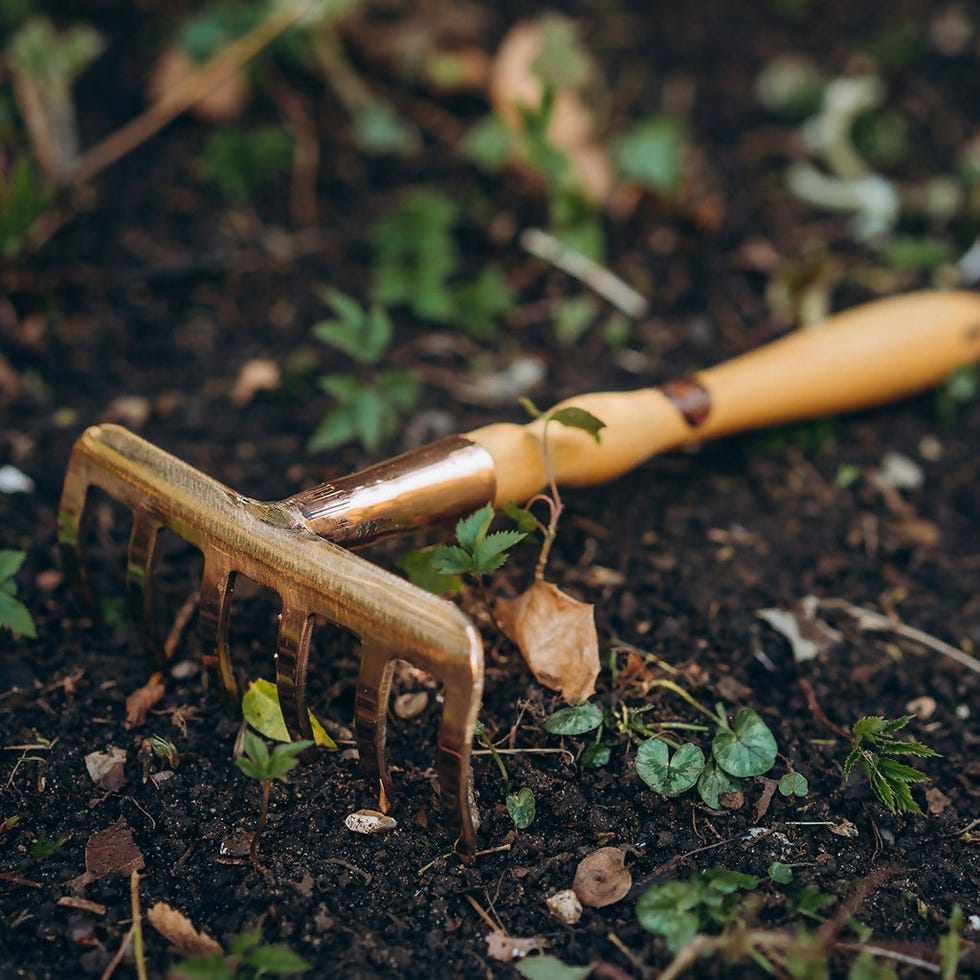 Implementations Atik – Mini Rake
 Fieldware Co Pocket Apron – Classic Waxed Cotton
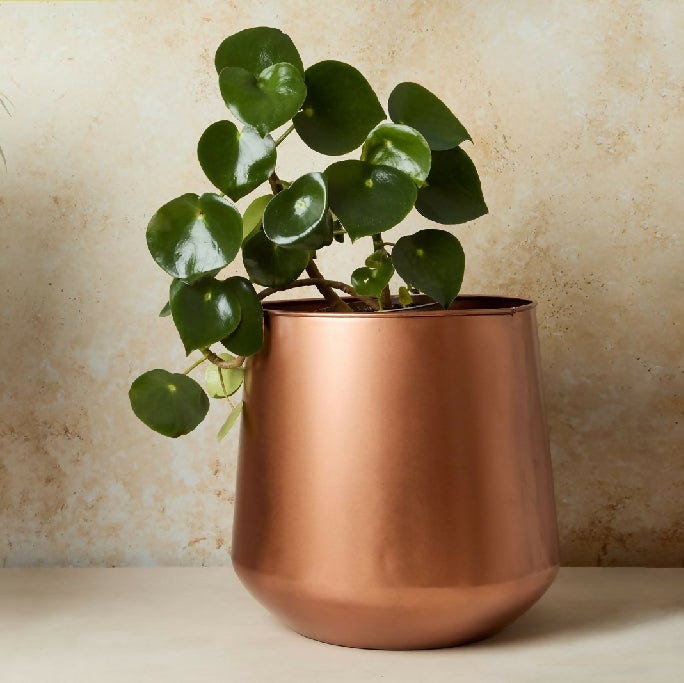 Mytri Designs Tamra Copper Floor Planter
 The Little Oak Company Painted Garden Label/Marker
 Maddy Ando
Homes Writer, House Beautiful and Country Living
Maddy is the Homes Writer at House Beautiful UK and Country Living UK, where she can be found writing about the latest interiors news and collating inspiring trend edits. She has previously worked for Good Housekeeping, Prima and Red, and has an MA in Classics and Ancient History from the University of Manchester and a BA in English Literature and Creative Writing from the University of East Anglia, where she was the editor-in-chief of the student newspaper.
Comments are closed.