

If the recent heatwaves have left your lawn looking brown, dry and patchy, don’t panic. Scorched grass often isn’t dead – it’s simply dormant. But making the wrong recovery moves now could make the damage worse.
Here are the four biggest lawn recovery mistakes experts say to avoid if you want your grass to bounce back.
1. Watering little and often

Malorny//Getty Images
When faced with a brown lawn, it’s tempting to reach for the hose every day. However, frequent, light watering is one of the worst things you can do.
‘Frequent, light sprinklings actually train the roots to stay near the surface, leaving your lawn more vulnerable to future dry spells,’ says Nick Ee, product training manager at Black+Decker. ‘Instead, water thoroughly once or twice a week, ensuring moisture reaches at least 15cm into the soil.’
This encourages the roots to grow deeper, creating a stronger, more drought-resistant lawn that can access moisture reserves below the surface. It also helps build resilience for future periods of hot weather.
2. Cutting the grass too short
Stefan Cristian Cioata//Getty Images
A scorched lawn can look untidy, but giving it a close shave won’t make it greener.
‘Grass needs as much leaf surface as possible to recover and continue photosynthesis,’ explains Nick. ‘During summer, keep your lawnmower blades set higher, around six to eight centimetres where possible, and never remove more than a third of the grass blade in a single cut.’
The extra length provides natural shade for the roots, helping the soil retain moisture while the lawn recovers. Plus, allowing the grass to stay slightly longer protects the soil from the sun, all while giving the lawn the energy it needs to recover naturally.
3. Overfeeding with fertiliser
It might seem logical to feed a struggling lawn to help it turn green again, but too much fertiliser can have the opposite effect.
‘Applying fertiliser – particularly products high in nitrogen – encourages rapid growth that can leave grass weaker and more vulnerable during summer,’ Nick says.
MO Bacter Organic Lawn Fertiliser 12 Week Nutrient Release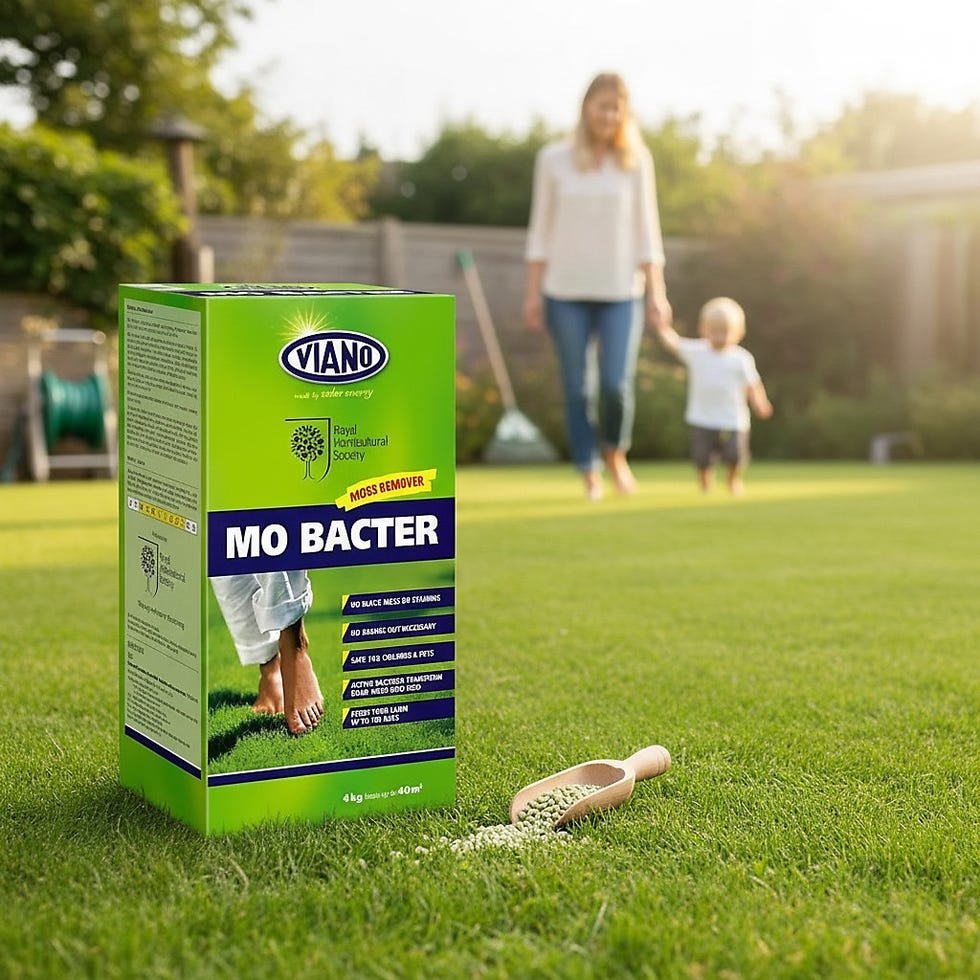 MO Bacter Organic Lawn Fertiliser 12 Week Nutrient ReleaseCredit: B&Q
Instead, slow-release fertiliser applied according to the manufacturer’s instructions will provide a steadier supply of nutrients, without placing unnecessary stress on the lawn. Using this sparingly will support healthy recovery.
4. Ignoring compacted soil
brebca//Getty Images
After weeks of summer entertaining, games, and regular foot traffic, your lawn may be suffering from compacted soil without you even realising.
‘If you notice water sitting on the surface rather than soaking into the ground, your lawn may be compacted,’ Nick tells us. ‘Using a garden fork or aerating tool to create small holes allows air, water, and nutrients to penetrate more effectively, encouraging stronger, healthier root growth throughout the season.’
Aerating compacted areas improves drainage and helps essential moisture and nutrients reach the roots, giving your lawn the best chance of recovering after a heatwave.
Follow House Beautiful on Instagram, TikTok and Pinterest
The Garden Edit Folding Bistro Set, 3 Pieces
 Scalloped Edge Smooth Fibre Clay Plant PotCredit: Dunelm
 Marcy 2-Seater Sling Garden Sofa, GreigeCredit: John Lewis
 Gsycle Watering CanCredit: Amazon
 Natural Pebble Outdoor Solar LightCredit: Next
 Dibor Dining Chair Seat Pad SetCredit: Amazon
Comments are closed.