
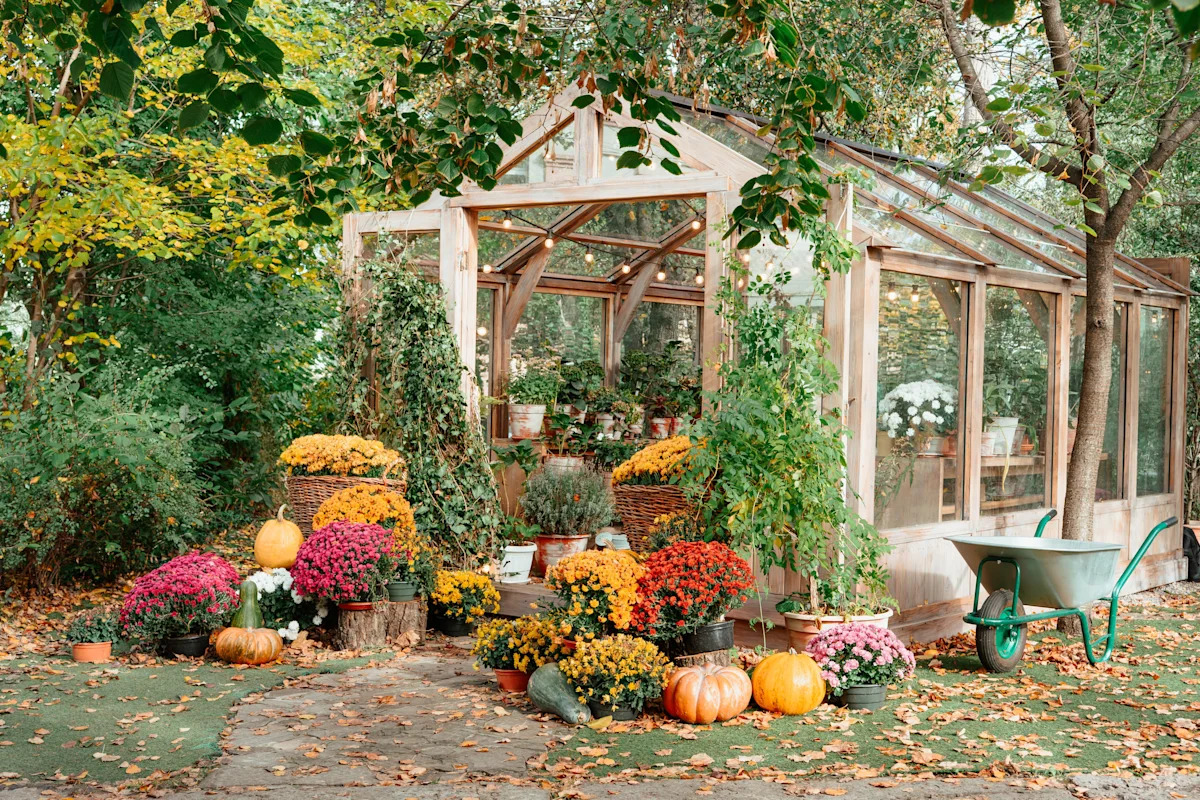
It’s easy to think of July as the grand finale of gardening season. Tomatoes are ripening, hydrangeas are showing off, and the spring planting frenzy is long behind us.
But experienced gardeners know there’s another season waiting in the wings.
Late July and early August are actually some of the best times to plant flowers, shrubs and even vegetables that will keep your landscape bursting with color well into autumn. While many annuals start looking tired by Labor Day, the right late-season additions are just gearing up to steal the show.
Whether you’re filling empty spots where spring flowers have faded or planning for a longer gardening season, these are some of the best things to plant right now.
Add late-blooming perennials for a colorful fall garden
Black-eyed Susans bring bright yellow blooms to gardens from late summer through fall and are easy-care favorites for colorful landscapes.
(nnattalli / Shutterstock)
If your flower beds tend to lose steam after midsummer, late-blooming perennials can extend the show by weeks.
Among the best options:
Sedum (‘Autumn Joy’ is a longtime favorite)
Many of these plants brighten the landscape, and may also become an important late-season food source for bees and butterflies preparing for winter migration or dormancy.
A combination I love: Purple asters paired with golden black-eyed Susans for one of fall’s most classic color combinations.
Plant fall vegetables now
Plant carrots now for a fresh fall harvest. These cool-season vegetables thrive as summer heat gives way to cooler temperatures.
(Tatevosian Yana / Shutterstock)
It’s also time for a second growing season.
Many cool-season vegetables actually thrive when planted in midsummer because they’ll mature as temperatures become milder.
Good candidates include:
Unlike spring crops, these vegetables often develop sweeter flavors after experiencing cool nights or a light frost.
Gardeners in warmer climates can continue succession planting for weeks, while those in northern states may want to check their average first frost date to make sure crops have enough time to mature.
Refresh containers for colorful fall landscaping
Potted chrysanthemums add bold fall color to patios, porches and garden beds, making them a favorite for late-season container gardens.
(MockupMonster / Shutterstock)
If your patio pots are starting to look leggy or heat-stressed, now’s the perfect time for a refresh.
Swap fading annuals for plants that thrive in late summer and fall, such as:
Mixing flowering plants with ornamental grasses creates texture that lasts well into autumn.
Think beyond flowers for fall blooms
Oakleaf hydrangeas provide long-lasting blooms and vibrant fall foliage, making them a standout shrub for colorful autumn gardens.
(tamu1500 / Shutterstock)
Fall gardens aren’t just about blooms.
Many shrubs and grasses reach their peak beauty as the weather cools.
Consider planting:
These plants provide movement, seed heads, berries, and beautiful foliage that often outlast flowers.
Depending on where you live, many ornamental grasses also remain attractive throughout winter, adding structure to the landscape after everything else has gone dormant.
Plant pollinator favorites to plant in summer
Coneflowers are easy-to-grow native perennials that keep gardens colorful into fall while attracting butterflies and other pollinators.
(Wirestock Creators / Shutterstock)
Late-season nectar is surprisingly scarce.
Adding flowering plants now helps support migrating monarch butterflies as well as native bees stocking up before winter.
Excellent choices include:
Mexican sunflower (Tithonia)
Native species are especially valuable because they’ve evolved alongside local pollinators and generally require less water once established.
It’s not too early to start thinking about spring, either
It might feel strange to think about spring while you’re sweating through July, but late summer is also when gardeners should begin planning for spring bulbs.
While tulips, daffodils and alliums won’t be planted until temperatures cool in early fall, now is a good time to decide where they’ll go before flower beds become crowded again.
A little planning now means you’ll enjoy the first bursts of color months before most of your neighbors.
Give new plants the best start with smart watering strategies
The biggest challenge with midsummer is helping new additions survive the heat, especially as heat waves are rolling in and a heat dome broils the Western part of the country.
Water deeply rather than frequently so roots grow downward. Add a layer of mulch to keep soil cooler and reduce evaporation. If a stretch of triple-digit temperatures is in the forecast, consider providing temporary afternoon shade with shade cloth or even a patio umbrella for particularly sensitive plants.
With a little extra attention during establishment, today’s planting can keep your garden colorful long after summer’s brightest blooms have faded and give you something beautiful to look forward to every time you step outside this fall.
Comments are closed.