
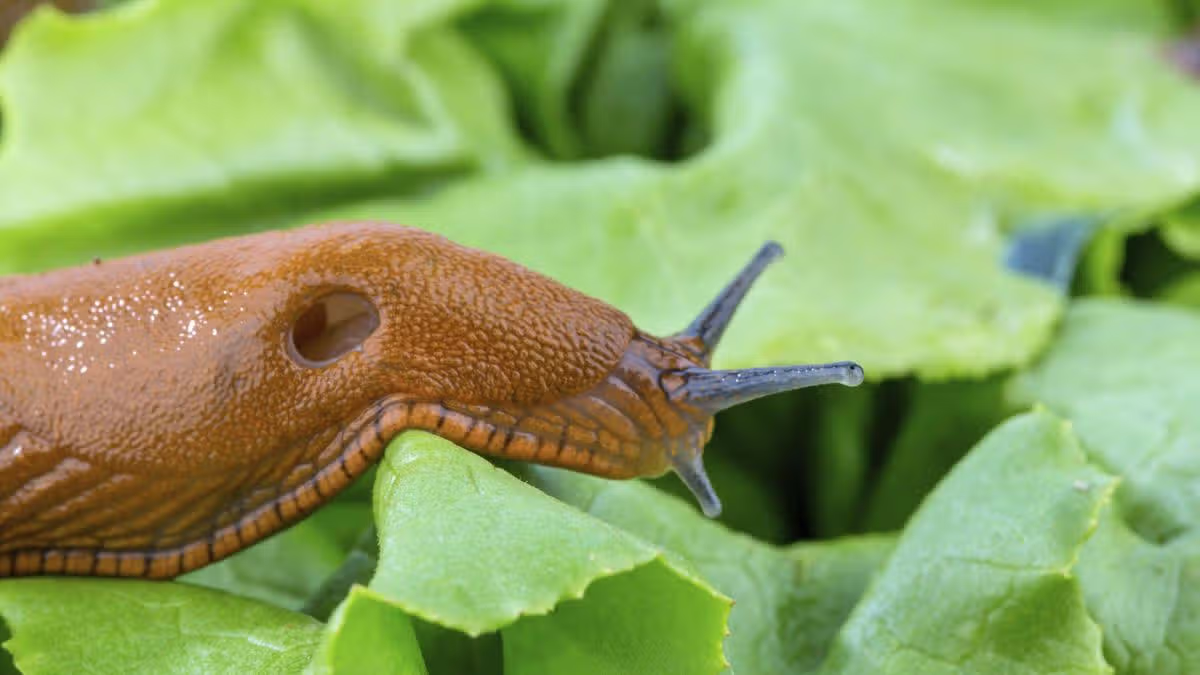
Garden slugs can destroy plants virtually overnight, but many gardeners report success using this natural 21p solution to help keep slugs away from vegetables and flowers
Slugs are most active in the spring and summer months(Image: Getty)
Slugs consistently top the list of the most unwelcome garden pests and are widely considered to be every gardener’s worst enemy.
These gastropods don’t merely devastate seedlings almost overnight; they particularly relish munching on our beloved plants, leaving irregular holes in leaves, flowers, stems, bulbs, tubers and potatoes, while depositing a distinctive silvery slime trail as evidence of their unwanted presence in our gardens.
Although these molluscs remain active throughout the year, their numbers become notably higher during spring and summer, when there is a plentiful supply of young, tender vegetation for them to consume.
These garden nuisances tend to burrow into soil or seek shelter in cool, dark spots to avoid dehydration, and are particularly active during the night, especially when conditions are damp and warm, reports the Liverpool Echo.
So, what’s the best way to tackle these troublesome garden pests in an effective and environmentally-friendly way?
The solutions may surprise you.
A reader survey conducted by BBC Gardeners’ World, seeking the most successful slug control methods, uncovered some unexpected and unconventional techniques as the leading choices

These gastropods love feasting on fresh growth and young plants(Image: Getty)
Garlic drench
The strong scent of garlic is widely believed to repel slugs, making a garlic-based solution applied to the foliage of your prized plants a quick and highly effective natural remedy for keeping these pests at bay. To safeguard your garden from slug damage, create your own garlic deterrent using this simple three-step method.
A four-pack of garlic bulbs is available for as little as 87p at retailers including Tesco and Sainsbury’s, equating to roughly 21p per bulb.
BBC Gardeners’ World suggests crushing two whole garlic bulbs and boiling them in a couple of pints of water to create an effective homemade slug repellent. Following this, strain the mixture and leave it to cool.
Dilute one tablespoon of the garlic concentrate into four litres of water and pour it over your young plants once a week during evening hours.
The garlic solution may also be sprayed directly onto plant leaves, making certain all surfaces are covered. Importantly, repeat applications regularly, especially after periods of rain.

Slugs are a gardener’s biggest nightmare(Image: Getty)
Pick them off at night
Based on the Gardeners’ World survey, the most popular slug control technique involves heading out into your garden after dark equipped with a torch, and collecting the pests from plants using a bucket containing salt water.
For those seeking a more humane approach, slugs can be collected in a container and relocated to a wild area well away from your garden.
The best time for slug collection is approximately two hours post-sunset, meaning late evening during summer months. Wearing gloves is recommended.
One practical method to intentionally attract slugs to a dark and shaded spot, making removal easier, is by placing something they find irresistible, such as dried cat food, leftover vegetables, oats, bran, or bread rolls. Once the slugs have congregated, you can easily gather them up.
During daylight hours, search your garden for possible hiding spots, as these molluscs typically seek refuge in any location that’s damp, dark, and cool. Looking under plant pots, tread boards in your vegetable patches, pot saucers, and garden furniture are all sensible places to begin.

Getting rid of slugs in gardens has never been simpler(Image: Getty)
Establish barriers
Creating barriers represents another slug-prevention strategy that numerous BBC Gardeners’ World reader survey participants strongly advocate.
These gastropods find it difficult to navigate prickly and rough surfaces, so common deterrents in your fight against slugs include bark, cocoa chips, sawdust, ash, cat litter, horticultural grit, wool pellets, coffee grounds, and sand.
It’s important to refresh these barriers regularly, and remember that most slugs don’t live on the surface but underground in the soil.
Unconventional approaches
Some alternative slug removal methods recommended by Gardeners’ World include spreading petroleum jelly as a greasy barrier applied liberally around the edges of seed trays and pots, attaching double-sided sticky tape around pot rims with the outside covered in salt, and burying beer traps in the soil using cheap beer.
Comments are closed.