
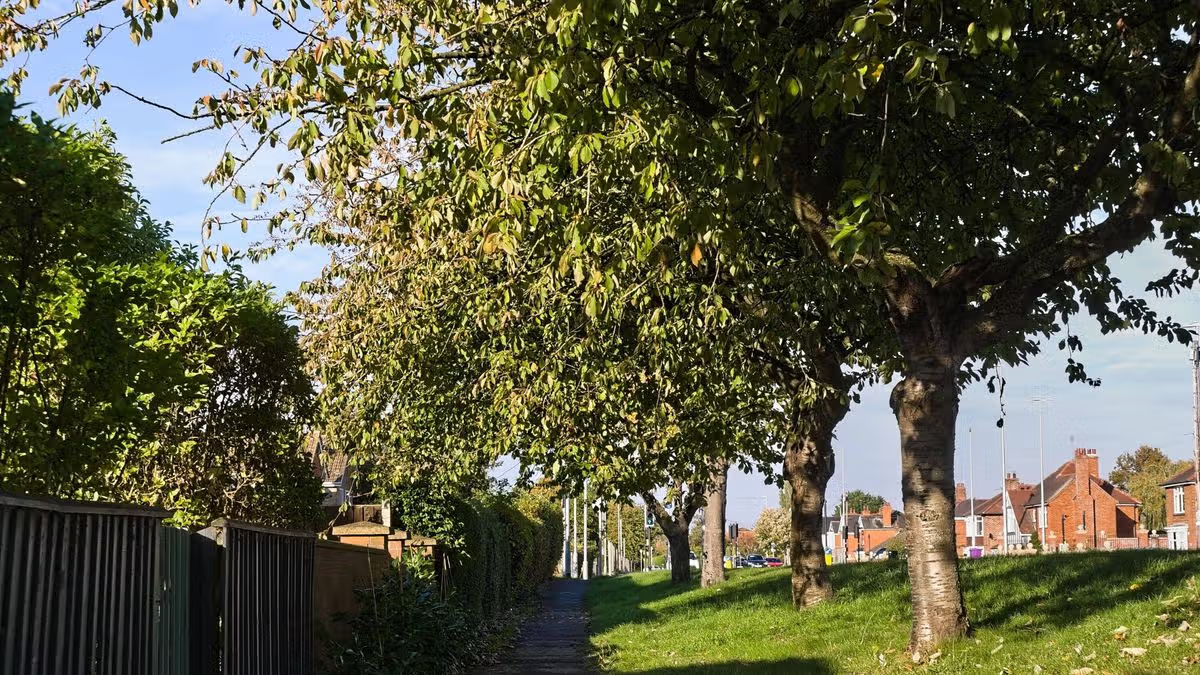
If your neighbour’s tree is overhanging into your garden, you may have the right to trim it back — but insurance experts warn there are crucial checks to make first.
You have to be careful when trimming trees back(Image: Getty)
Dealing with a neighbour’s tree encroaching on your fence can be a real source of irritation. Whether it’s creating a mess, obstructing natural light, or simply looking unsightly on your property, it can be tempting to cut it back — even if you technically have the right to do so, it is worth thinking twice before picking up the pruning shears.
Home insurance specialists at Tiger.co.uk have outlined the key checks homeowners must carry out before trimming back any overhanging trees.
Most crucially, you need to establish whether the tree is protected by a Tree Preservation Order (TPO).
Cutting back a protected tree without the appropriate permission could land you in serious legal trouble, with fines of up to £20,000.
To determine whether a tree has a TPO, you can use the Government’s online search tool to identify which local council you need to contact.
The second essential check is whether any birds are currently nesting in the tree. Disturbing or harming nesting birds is illegal under the Wildlife and Countryside Act 1981.
Ian Wilson, managing director and home insurance expert at Tiger.co.uk said: “It may feel a little tense discussing boundary lines with neighbours, but it’s important to always approach any concerns respectfully to help resolve issues without disputes.

There are some things you need to check before you chop(Image: Getty)
“If a neighbouring tree is overhanging onto your property, you do have the right to prune it, and it’s often recommended to do so, particularly if there is a risk to your home.
“If damage does occur, you will generally need to claim through your own home insurance policy, meaning you’ll be responsible for paying the excess.”
He strongly advises speaking directly with your neighbour before undertaking any work on the tree.
Ian added: “Any cutting should only be done up to your boundary line, and you must follow standard pruning practices, such as ensuring you’re not disturbing wildlife or damaging protected trees.”
Ensure you remain on your own property throughout the process, trimming only as far back as your boundary line permits.
Any removed branches should be offered back to your neighbour, as they remain the legal property of the tree’s owner. Should they decline, you are then free to dispose of them accordingly.
Exercise great caution not to over-prune or cause harm to the tree, as you could be held legally responsible if your pruning results in its death.
Comments are closed.