
“Hearst Magazines and Yahoo may earn commission or revenue on some items through these links.”
We have good news: Your herbs aren’t dying because you’re a “bad plant parent.” They’re likely dying because the modern kitchen is a pretty hostile place for plants. Between dim light, dry indoor air, decorative planters with no drainage, and supermarket pots, most herbs are set up to fail before you ever snip a sprig of basil. To find out why this keeps happening—and how to stop the cycle—we spoke with experts who see the same avoidable mistakes in all sorts of home gardens and kitchens. Once you understand how herbs behave in soil and light, you can go from “it died in a week” to a windowsill that reliably produces handfuls of parsley, basil, or thyme for months.
Here are five possible reasons why your herbs are dying—and how to reverse course.

Sarah Klassen – Getty Images
You’re overwatering
“The biggest mistake I see people making when it comes to herbs is overwatering,” says Gene Caballero, cofounder of lawn care site GreenPal. Most woody herbs like rosemary, thyme, oregano, and sage evolved in dry, well-drained soils and “don’t like constantly having wet roots,” he explains.
Advertisement
Advertisement
When soil stays soggy, roots can’t breathe. That’s when you see yellowing leaves, limp stems, or plants that collapse even though the soil looks wet. The fix: let the top inch or two of soil dry out before you water again, and never leave herbs sitting in a puddle for more than a few hours.
Your herbs aren’t getting enough sun
If your herbs are parked on a pretty shelf across the room from the window, they may be hungry for light. Caballero notes that most culinary herbs need 6–8 hours of direct sunlight each day to stay healthy and flavorful, which is something many indoor spots simply don’t deliver.
Landscape architect and designer Catherine Trudeau adds that homeowners tend to underestimate how quickly light drops off as you move away from a window. What feels “bright enough” to you often isn’t remotely bright enough for plants. In her experience, it’s “very rare that an indoor area gets enough light to make [leaf burn] a real concern.” Her practical rule: put herbs right in the window and only pull them back if you actually see scorching. For most kitchen setups, the real problem isn’t too much sun; it’s that your herbs aren’t getting anywhere near the light they need.
Your pots can’t drain
Perfect watering still fails if the pot can’t drain. Both Trudeau and gardener-cook Carmen Perr of Carmen in the Garden point to drainage as a make-or-break detail that many people overlook.
Advertisement
Advertisement
“Always choose containers with drainage holes at the bottom,” Trudeau says, and for larger pots, make sure there are multiple holes so water doesn’t pool. If your mix holds on to too much moisture, she suggests adding a layer of rocks or gravel at the bottom to improve drainage and keep plants from becoming root-bound. Skipping this step can lead to root rot, compacted soil that’s tough for roots to penetrate, and tired, malnourished herbs—even if you’re watering on schedule.
 You never repotted
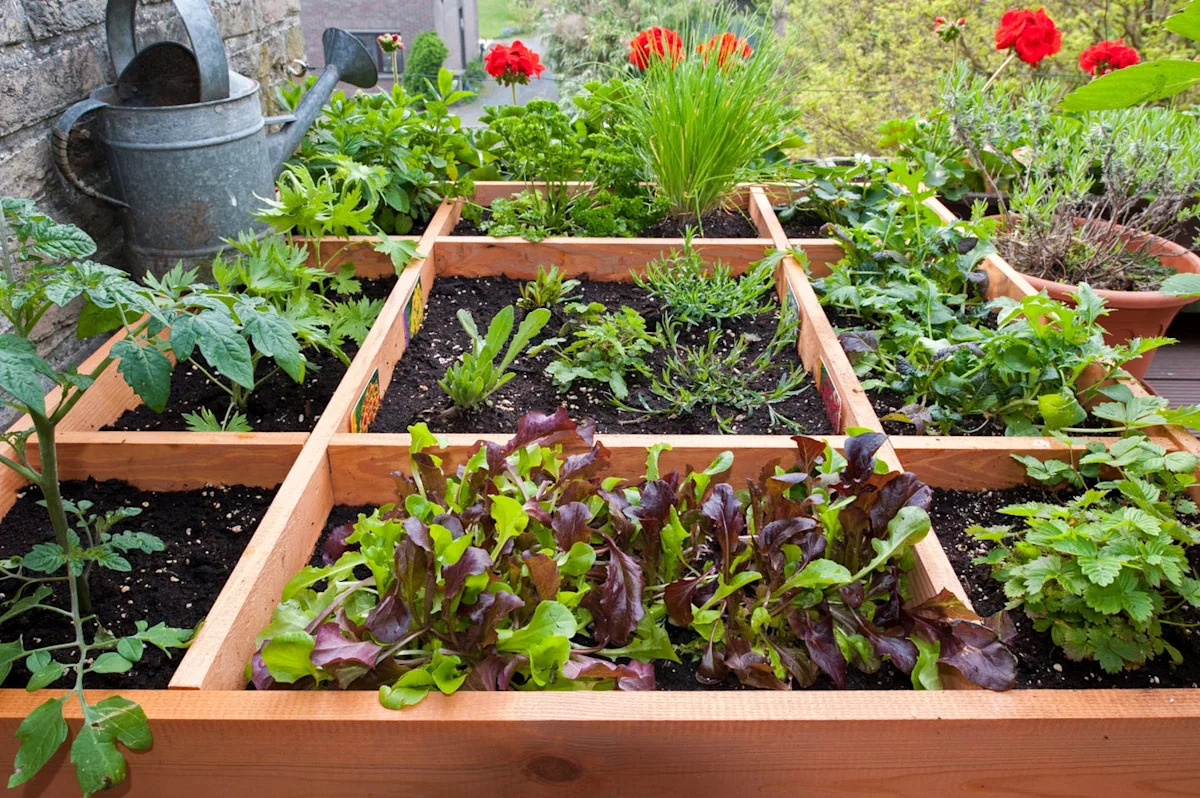
Those supermarket thin plastic pots aren’t meant to be forever homes. In small or temporary spaces, Perr recommends starting with straightforward containers—terra cotta pots, grow bags, window boxes—rather than elaborate planters that may hide drainage issues. Simple pots make it easier to see when soil is dry and when water is pooling where it shouldn’t.
If you’ve bought a full, lush plant, assume it will grow dramatically once it’s happy. Trudeau notes that herbs “will grow 3–10x in size from what they are when you first purchase them,” which means a cramped pot or planter will become crowded fast. That overcrowding stresses roots and accelerates decline, especially when several herbs fight for space in one small container.
You don’t harvest or prune enough
It sounds counterintuitive, but not cutting your herbs is one of the fastest ways to lose them, according to Caballero. Frequent trimming keeps plants full and prevents them from becoming woody or flowering too early.
Advertisement
Advertisement
When you avoid cutting, stems elongate, leaves get smaller, and flavor can drop off. Once herbs focus on flowering and seed, they often put less energy into lush, tasty foliage. The fix is simple: pinch or snip regularly—especially tips—and aim to use your herbs often. That ongoing harvest tells the plant to branch, thickening up into a healthier, more productive shape.
You Might Also Like
Comments are closed.