
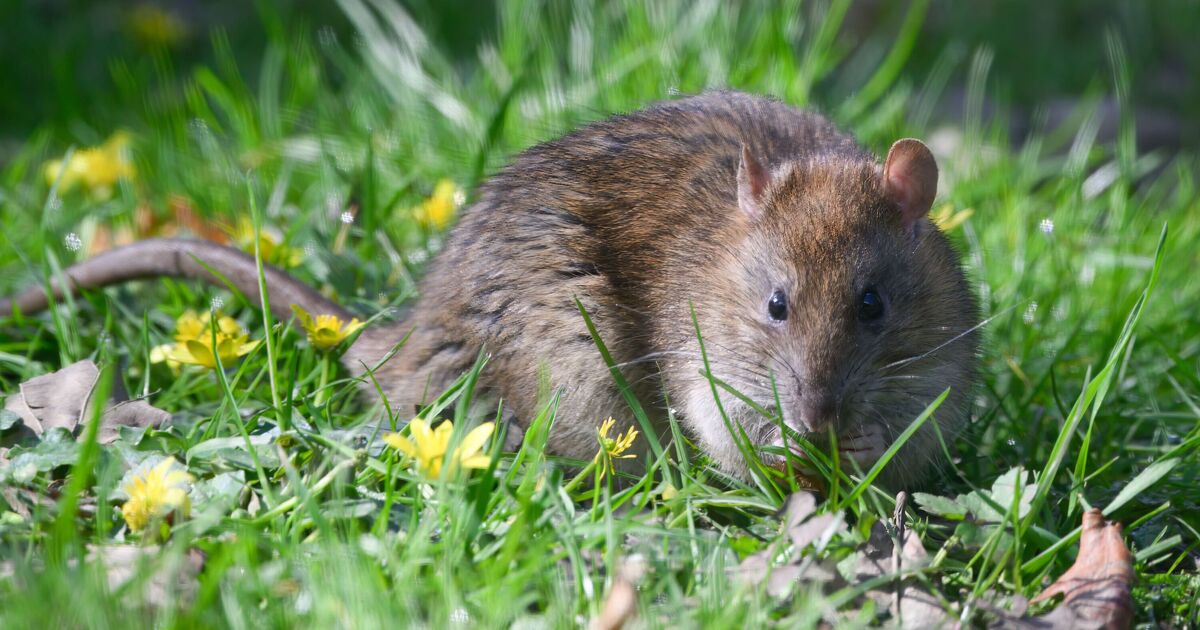
In the UK, these disease-laden vermin find their way into homes and gardens in the summer, wreaking havoc and rendering spaces unhygienic.
Gardens and allotments often bear the brunt of rat activity, as these pests love to feed on various foods commonly found in gardens such as root vegetables like carrots and potatoes or spilt bird food and fruit. These rodents often set up home in greenhouses and sheds, beneath decking, and most commonly in compost bins.
Rats are known to damage crops and property, and their droppings as well as urine are a major source of food and water contamination.
Their extremely fast reproduction rate also means they can quickly establish massive populations in gardens which can lead to serious and dangerous rat infestations. This would bring along with it a plethora of other related problems such as the spread of disease.
Glue traps and rat poison are extremely inhumane ways by which to get rid of rats and mice, and that’s where simple preventative measures come in.
To combat the prevalent issue of rats in UK gardens in the summer, experts at First Tunnels have shared three basic and effective, no-cost steps through which you can get rid of your rat problems.
The experts share: “Unfortunately, feeding garden birds and other healthy wildlife will likely attract rats. Rats love to snack on grain and bird seed, and food from bird feeders and tables is a buffet. So, you may have to stop feeding wildlife in your garden altogether until you notice a decline in visiting rats.”
Declutter your garden space
Gardens with fewer places to seek shelter and hide are an automatic and instant deterrent to rats and mice. Keeping your beloved gardens tidy and clutter-free can go a long way in repelling rats and help steer them clear from your outdoor space.
The experts have shared a few simple ways by which you can keep your gardens tidy: “You should keep the grass mown short, storage areas clear of clutter, rubbish cleared away, and overgrown areas to a minimum.”
Keep switching things up frequently
According to the specialists: “Rats are naturally neophobic, which means they fear and avoid new objects.”
So, if you’re looking for easy, no-cost ways by which you can keep these disease-spreadings rodents out of your gardens, make sure to move things around regularly and introduce new objects and items whenever possible.
“The unfamiliarity should drive rats away and encourage them to find new foraging grounds,” say the experts.
Comments are closed.