
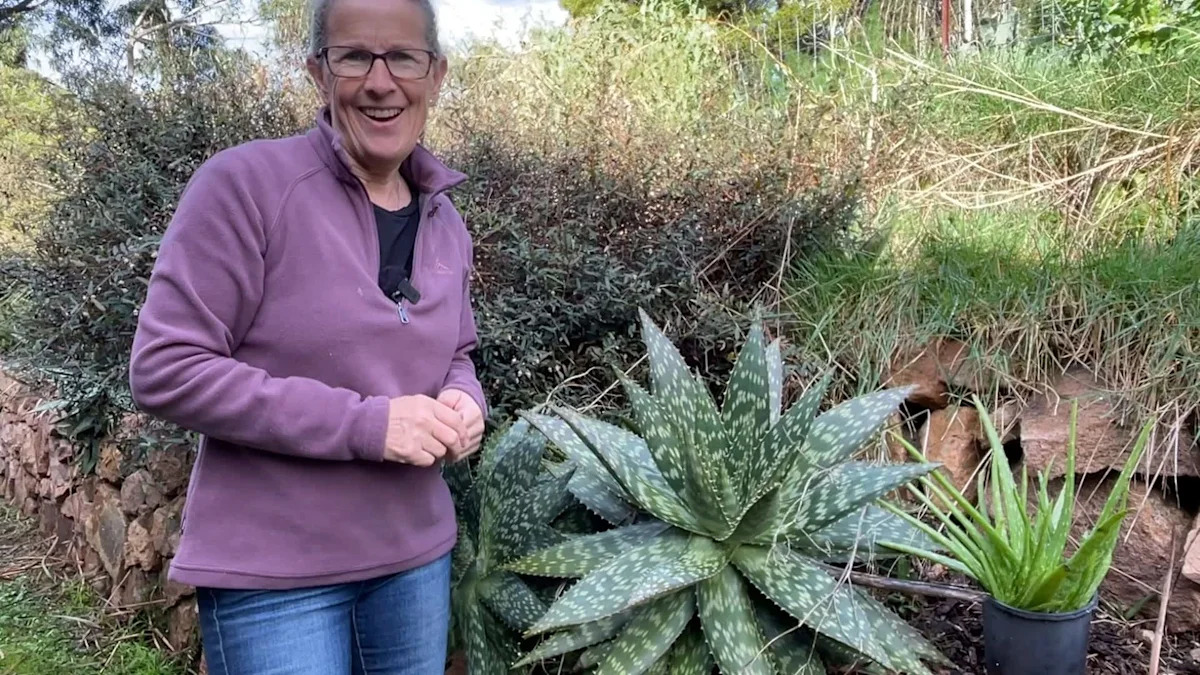
A video about aloe took on a more complicated message as it went along, shifting away from a straightforward plant comparison and toward the problems that can come with a useful grower.
What happened?
In the caption of a YouTube video, Linda from Huttons Valley Permaculture (@huttonsvalleypermaculture) explained the original plan, writing: “I started off thinking this video would be about the differences between my two aloe species with a little soap making thrown in.”
As the project unfolded, though, attention shifted to the less appealing behavior of one of the plants.
Rather than focusing only on identification and uses, the video’s caption and summary framed the topic as a balance of positives and negatives between two aloe varieties, including soap-making and propagation. The discussion ultimately asked whether one particularly prolific aloe offered enough upside to justify continuing to grow it.
The conversation in the comments reflected both sides of that experience.
One person wrote, “I use aloe vera on cuts while they’re healing. It speeds up the healing time and reduces the scarring.”
Others pointed to the maintenance issue, noting that an aloe that multiplies quickly can become difficult to control in a garden.
A plant can be attractive, practical, and resilient, yet still create extra work if it starts to outgrow its space.
Why does it matter?
Not every hardy plant is automatically low-maintenance. Fast growth can certainly be a benefit, but it can also mean more dividing, more cleanup, and more effort to keep a plant from taking over beds or compost piles.
Gardening is one of the simplest ways people can improve their day-to-day lives. Growing plants at home can support better mental and physical health, and if that gardening expands into herbs, fruits, or vegetables, it can also help households save money on produce while enjoying fresher, better-tasting food.
Even ornamental or medicinal plants such as aloe can help people build confidence in the garden. Learning which species behave well in a particular space — and which ones need firmer boundaries — can make it easier to branch out into edible gardening later.
Plant choice matters. A vigorous plant in the wrong place can create unnecessary waste, added labor, and frustration for gardeners trying to keep things manageable without relying on harsh chemicals.
What can I do?
If you are tempted by aloe or any fast-multiplying plant, it helps to research how it spreads before putting it in the ground. Growing in containers can be a smart option for species that are prone to taking over.
Gardeners dealing with overgrown plants can also look into nonchemical management strategies, including dividing clumps early, reusing offsets, and disposing of unwanted plant material carefully.
Some viewers discussed ways to handle unwanted plant matter by soaking it for long periods and then using the decomposed material as mulch and plant feed. Another commenter suggested, “I think soaking them in water till the dead would be best instead of compost.”
Choose plants that match your goals, your climate, and the amount of upkeep you realistically want to take on.
The issue clearly felt familiar to at least one viewer: “I also have the same problem. My aloes go wild in my garden.”
Get TCD’s free newsletters for easy tips, smart advice, and a chance to earn $5,000 toward home upgrades. To see more stories like this one, change your Google preferences here.
Comments are closed.