
A midsummer slump in the garden can make it seem like the season is tapering off. In reality, July can open a second window for planting that keeps the harvest going until frost.
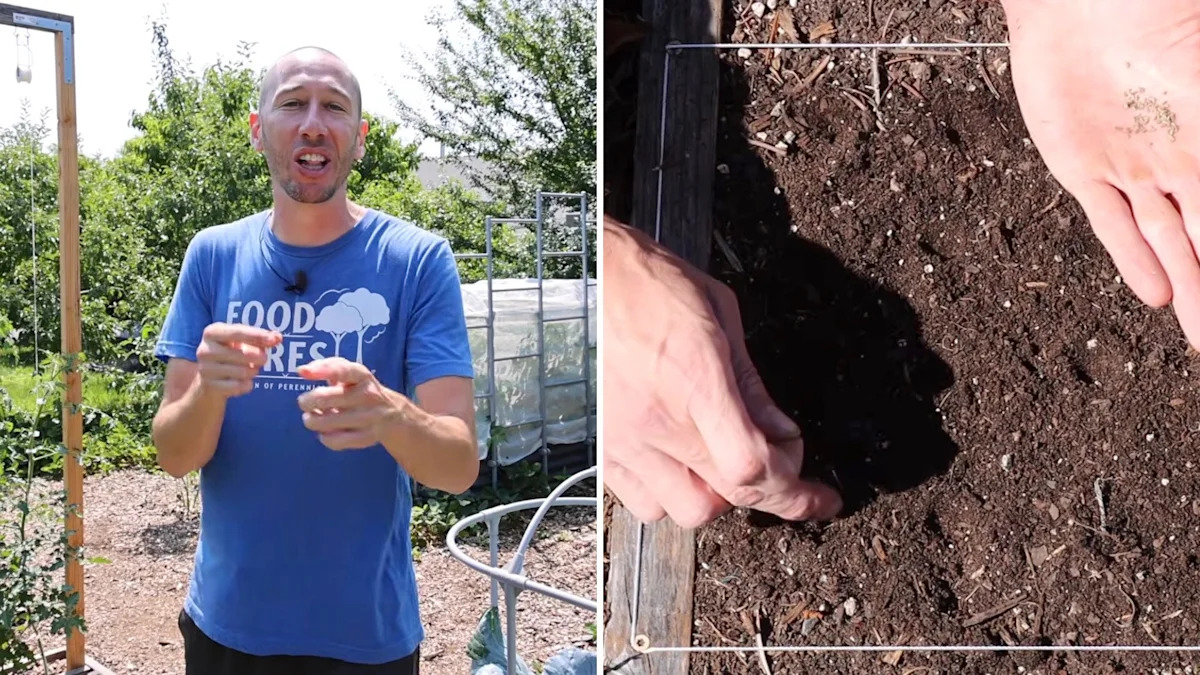
In a recent video, gardening content creator James Prigioni (@jamesprigioni) highlighted 10 crops to plant in July.
What’s happening?
With roughly 100 days left before the first frost, there is still enough runway for several summer and fall crops. The crops Prigioni pushes in particular are bush beans, cucumbers, summer squash, carrots, lettuce, Swiss chard, brassicas, beets, red Malabar spinach, and basil.
According to the creator, cucumbers, bush beans, summer squash, and many beets can be harvested about 55 to 60 days after sowing.
Advertisement
Advertisement
July is also the time to think ahead to cool-weather vegetables. Cabbage, cauliflower, broccoli, and kale can take about 100 days to mature, but because these brassicas handle chilly conditions better than most summer crops, planting them now can set the stage for fall picking.
To handle midsummer conditions, the video recommended a few protective measures. They include shade cloth for young plants, insect netting to keep pests at bay without sprays, and a board placed over carrot seeds to retain moisture as they germinate.
“I literally never start getting any veggies until around the 4th of July every year… the season is just starting,” one commenter on YouTube wrote.
Why does it matter?
For households looking to stretch their grocery budget, getting more out of a home garden can translate into meaningful savings on produce. A second planting of beans, cucumbers, greens, and herbs can help reduce store trips while also providing fresher, better-tasting food.
Advertisement
Advertisement
There are health benefits as well. Gardening provides light physical activity, time outdoors, and the kind of routine many people find calming and rewarding. Harvesting your own lettuce, basil, or carrots can also make it easier to eat more vegetables.
Hot weather can make replanting seem pointless, but not every crop struggles in July. Swiss chard and Malabar spinach can handle the heat, and beets are among the vegetables that can improve in flavor as cooler weather arrives.
For gardeners dealing with setbacks, replanting can also offer a practical reset.
“So far my garden is heartbreaking now all my peaches are gone by squirrels, the mice eliminated my cucumbers, beans and eggplants,” a commenter wrote. “I am sowing another round of beans and cucumbers to hopefully heal my garden wounds.”
What can I do?
Focus first on plants that either mature quickly or hold up well as temperatures drop. Cucumbers, bush beans, summer squash, beets, and basil can produce on a shorter timeline, while brassicas such as kale can keep going further into fall.
Advertisement
Advertisement
Covering vulnerable seedlings with insect netting is one chemical-free way to limit pest damage.
Gardeners can also boost success by using partially shaded spots, acclimating indoor-started seedlings before moving them outside, and pinching basil so it does not flower too early.
Get TCD’s free newsletters for easy tips, smart advice, and a chance to earn $5,000 toward home upgrades. To see more stories like this one, change your Google preferences here.
Comments are closed.