
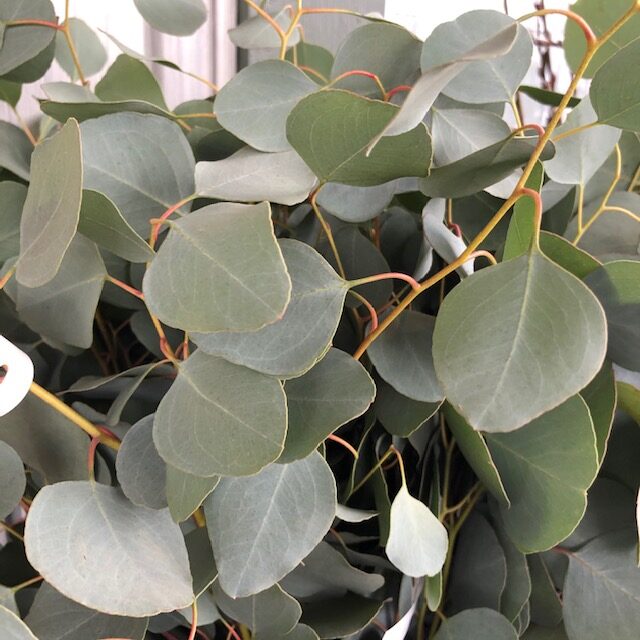
By Brian Minter
The popularity of cut-flower gardens continues to increase as folks today are ever more appreciative of year-round colour and fragrance indoors. This is an ideal time to plant a new, or add to your existing, cut flower garden. Ornamental grasses, late blooming perennials like rudbeckia, and even cut ornamental kale can add so much character to your fall and winter bouquets.
A missing ingredient in many bouquets is greenery. Foliage adds so much value to any floral bouquet, and if it has a bit of fragrance, so much the better. One of the most cherished accents to a bouquet, or in fact as a bouquet by itself, is eucalyptus.
Valued year-round, thousands of eucalyptus bunches are used by florists for spring bouquets, mixed with summer garden perennials and blended with Christmas greens. Most eucalyptus comes from California, which has the perfect climate for it to flourish.
Native mostly to Australia, there are over seven hundred species of eucalyptus and about 150 are grown and cultivated today. They do make beautiful specimen trees, coming in so many different varieties, and used in such diverse ways. The Sunset Western Garden book, which is one of the better plant encyclopedias available, lists more than 50 of the more common varieties. In general, they are categorized as Zone 8 plants, but by looking at them individually, you can find some that are hardy to Zone 7 or colder.
The British publication, Hillier’s Manual of Trees and Shrubs, lists e. Gunnii as the hardiest, and in B.C. they do grow into large specimen trees on Vancouver Island, and in protected areas of our Zone 7 South Surrey and Vancouver gardens. In colder Zone 6 areas like the Fraser Valley, they should remain in containers to be brought in and protected from our colder winters.
Local growers start them from seed in late October and November for saleable four-inch pots the following April and May. The favourite is e. gunnii Silver Dollar, so-called because of its round, silver-blue foliage, but Baby Blue, spiral and willow-leaf varieties are also popular. They grow incredibly fast and a young plant, set out in May, can reach up to six feet or more by fall. Since they grow so quickly, they can provide a wonderful source of cut greenery all summer long.
I like to save a strong central leader branch and prune off the side branches to get a narrower looking plant as opposed to a wider bush. They love hot, sunny locations, and well drained soil is essential. I also feed them with a slow-release fertilizer like 14-14-14 to encourage added vigour. If you like using lots of cut branches, perhaps start several smaller plants for continuous cutting until late summer and early fall. The nice thing about eucalyptus is that once cut, the stems regenerate new growth fairly quickly.
As late fall and winter approach, you will have to protect them indoors in colder areas. They are more tolerant of cold temperatures than of cold winter winds. If you can find a cool area with lots of light where temperatures stay above freezing, that is ideal. They will stay reasonably dormant until it warms up again in late April and early May, for another year of enjoyment and lots of foliage.
If you would like to experiment with eucalyptus this summer, put one out on your patio, possibly in a container mixed in with other sun loving flowers. You’ll find a great deal of enjoyment in the colours, textures and fragrance of these beautiful plants.
Brian Minter is an award-winning horticulturist, author and syndicated columnist from Chilliwack, B.C. He and his wife, Faye, founded Minter Gardens, a 32-acre mixed-style show garden.


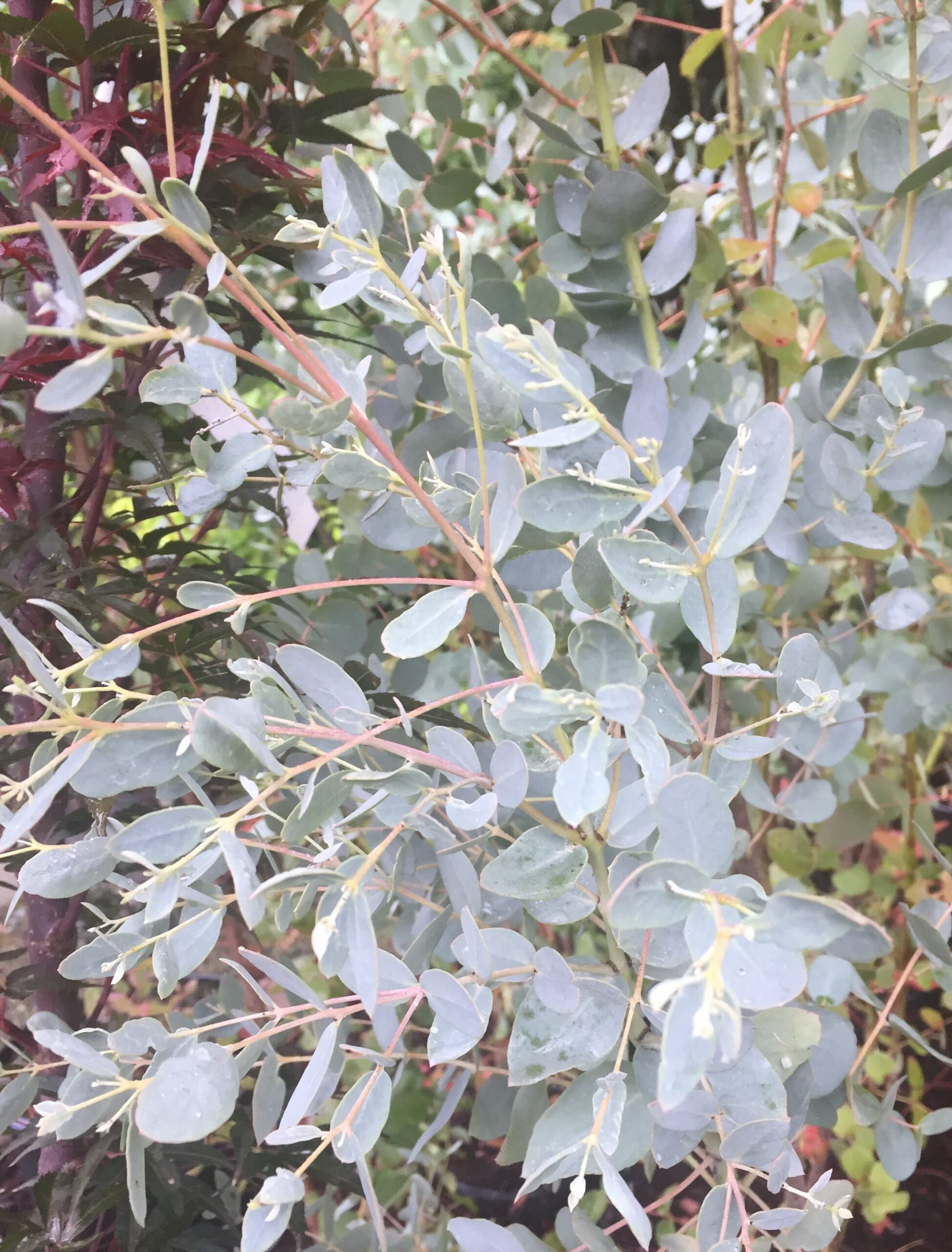
Photos via Brian Minter
Comments are closed.