
Summer can be a tough time for the garden, with some plants struggling to survive the high temperatures and hot afternoon sun. As a result, many gardeners have to water their beds more often to keep their plants hydrated and reduce stress. But this can cause your water bill to skyrocket, especially during periods of drought. If you’re looking for a way to cut costs without your garden taking a hit, rain barrels are a worthwhile garden upgrade.
As water conservation becomes increasingly important in our daily lives, rain barrels have emerged as a smart solution for homeowners looking to lower their water bills while nurturing their gardens this summer. By collecting and storing rainwater, these barrels not only reduce strain on local water supplies but also provide a free, eco-friendly way to water garden plants, clean garden tools, and refill birdbaths. Ahead, garden experts discuss how rain barrels can enhance your outdoor space, helping you conserve water and save money.
Meet Our Expert
Eric Nieusma, co-owner of Maine Hill Farm, a regenerative living soil farm and garden
Advertisement
Advertisement
Related: 7 Smart Ways to Save Water in Your Garden During a Dry Year
How Rain Barrels Work
Rain barrels collect water from roofs or catchment surfaces through gutters, directing it into a storage container, says Eric Nieusma, a regenerative and organic farmer. A screen at the top then filters out leaves and debris, while a spigot at the bottom of the barrel lets you attach a hose or fill a watering can. Most barrels also feature an overflow valve to safely divert excess water away from your home’s foundation during heavy storms.
Reasons to Install a Rain Barrel
Installing a rain barrel can significantly reduce your utility bills while providing a water source for your garden. “It provides free water for the garden, and plants prefer rainwater over tap water,” says Nieusma. “In addition to conserving water, rain barrels help mitigate basement flooding by directing water away from your foundation.” They also extend the life of wells and pumps by reducing the daily demand on groundwater supplies and offer an emergency water source during power outages. Furthermore, capturing stormwater runoff helps protect the environment by preventing soil erosion and keeping pollutants out of local waterways.
Tips
Be aware that several states have specific capacity limits, registration requirements, or structural regulations based on historical water rights. Always check your local laws before installing a rain barrel.
Ways to Use Rainwater
There are many creative ways to use rainwater, from sustainable gardening practices to washing your vehicles and birdbaths.
Water Lawns and Gardens
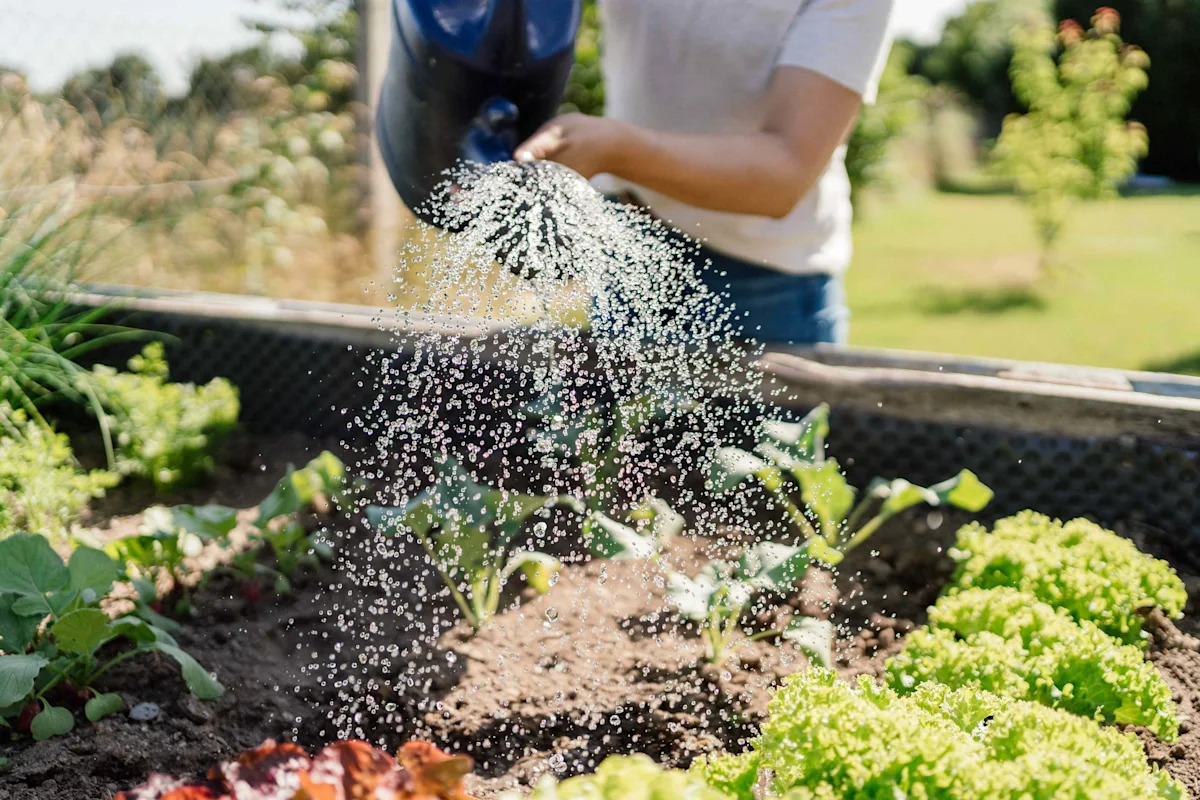
Rain barrels allow you to nourish your garden, flower beds, trees, and lawn with ease. Nieusma notes that rain barrels can have low water pressure at the hose and recommends attaching a transfer pump between the rain barrel and the garden hose. This will help pressurize the line, allowing you to water your landscape more efficiently.
Clean Outdoor Spaces and Equipment
Easily clean cars, bikes, lawn mowers, and gardening equipment using rainwater. Emily Scott, a master gardener and owner of Scott Farm in Maine, says that with an attached hose, you can rinse off dirty garden tools, allowing you to use reclaimed water to care for your outdoor equipment.
Flush Toilets During Power Outages
If your power goes out during summer thunderstorms, the toilet will not be able to refill its reservoir. To flush the toilet during power outages, Nieusma recommends filling a five-gallon bucket with rainwater and pouring it directly into the toilet bowl. This method will allow you to flush the toilet successfully without power.
Maintain Compost Bins
Compost piles need to be kept damp in order to accelerate organic decomposition. Using collected rainwater can keep your pile moist, helping to break down organic matter.
Refill and Rinse Birdbaths
Keeping your birdbath clean and full will protect local birds from bacteria and ensure they have a water source to drink from and preen in. Scott recommends using the water from your rain barrel to refill or rinse your birdbath.
Best Practices
When installing a rain barrel, there are several factors to keep in mind.
Advertisement
Advertisement
Install a drinking-water filter: If you plan to drink collected rainwater, you may need to boil and filter it, says Nieusma, as rainwater can contain bird droppings or heavy metals from roof shingles. Inline water filters can be installed and are widely used to trap dirt, debris, and sludge.
Empty before winter: If you live in colder regions, emptying your rain barrel is crucial. Leftover water will freeze, expand, and crack your rain barrel or spigot. You must drain, disconnect, and turn the barrel upside down to ensure no water remains inside.
Elevate the rain barrel: Gravity-fed barrels do not deliver the high pressure of municipal spigots. Nieusma explains that you will need to elevate the barrel on a block or use a transfer pump, which can be either electric or battery-powered.
Opt for an opaque barrel: Sunlight entering translucent barrels can cause rapid algae blooms, says Scott. To prevent this, it’s best to choose an opaque, dark-colored barrel or to paint a translucent barrel to block out sunlight. Additionally, Scott highlights that rain barrels can become breeding grounds for mosquitoes, so it’s crucial to ensure that your barrel has a cover.
Read the original article on Martha Stewart
Comments are closed.