

I love being able to step outside into my garden and snip basil or mint instead of buying those little plastic packs at the grocery store. Growing my own herbs saves me money on my grocery bill, and they add so much flavor to drinks, salads and everything from fish to chicken. By the end of summer, I usually have enough basil to make a few batches of chimichurri that I freeze for easy dinners throughout the year.
The best part? You don’t need a big backyard to have an herb garden. Herbs are some of the easiest plants to grow, and many varieties—including rosemary, basil and lavender—thrive in containers, making them perfect for apartment balconies, patios or even a sunny windowsill.
“Herb gardening is wonderful way for beginners to start growing,” says Bell Nursery Account Manager April Gast. “Most are easy to care for, and fresh herbs add a delightful flavor that home cooks will appreciate.”
If you’re thinking about starting an herb garden this summer, here are a few expert tips from Bell Nursery to help your plants flourish:
No. 1: Give your herbs plenty of sunshine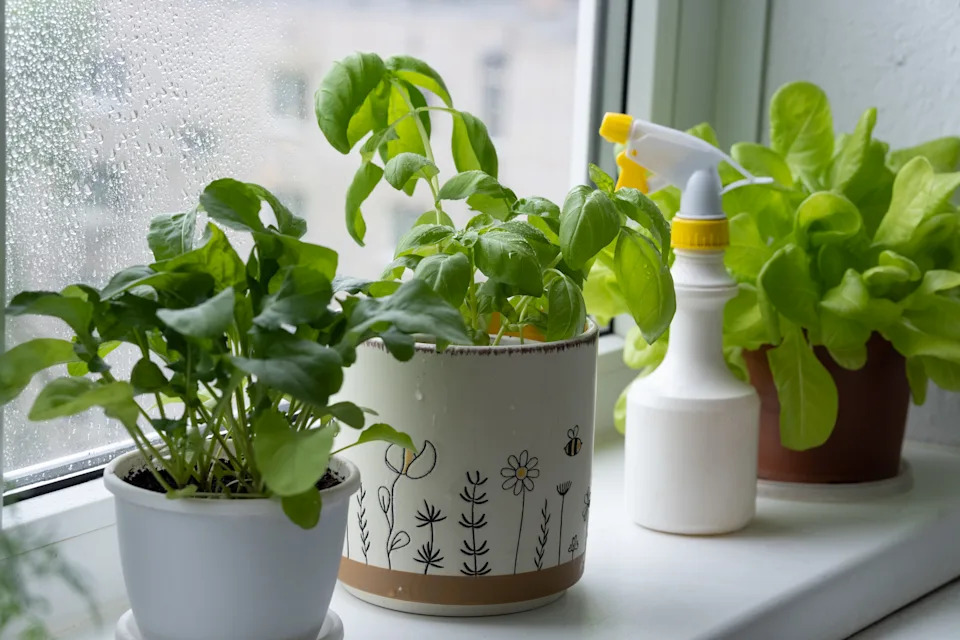
Growing indoors? Give your herbs a sunny spot to thrive.
(Albina Yalunina via Getty Images)
Most culinary herbs, including basil, rosemary and lavender, love full sun. Aim for a spot that gets at least six hours of direct sunlight each day. If you’re growing herbs indoors, place them in your sunniest window so they receive enough light to thrive.
No. 2: Use the right soil and containers
If you’re planting herbs in pots, use a quality potting mix rather than garden soil. Make sure your containers have drainage holes so excess water can escape, helping prevent root rot. If needed, you can add rocks or gravel to the bottom of the container to improve drainage.
No. 3: Water thoughtfully
Once herbs are established in the ground, they’ll usually only need supplemental watering during drought or stretches of extreme heat. Container-grown herbs dry out much faster, so check the soil regularly. When the top two inches feel dry, water thoroughly until it drains from the bottom of the pot.
No. 4: Keep an eye on your plants
Browning or dropping leaves are often the first sign that something is off. Before reaching for fertilizer, check whether you’re overwatering or underwatering. If moisture isn’t the issue, inspect the leaves—especially the undersides—for insects, and consider feeding your herbs with a quality fertilizer if they need a boost.
No. 5: Harvest the right way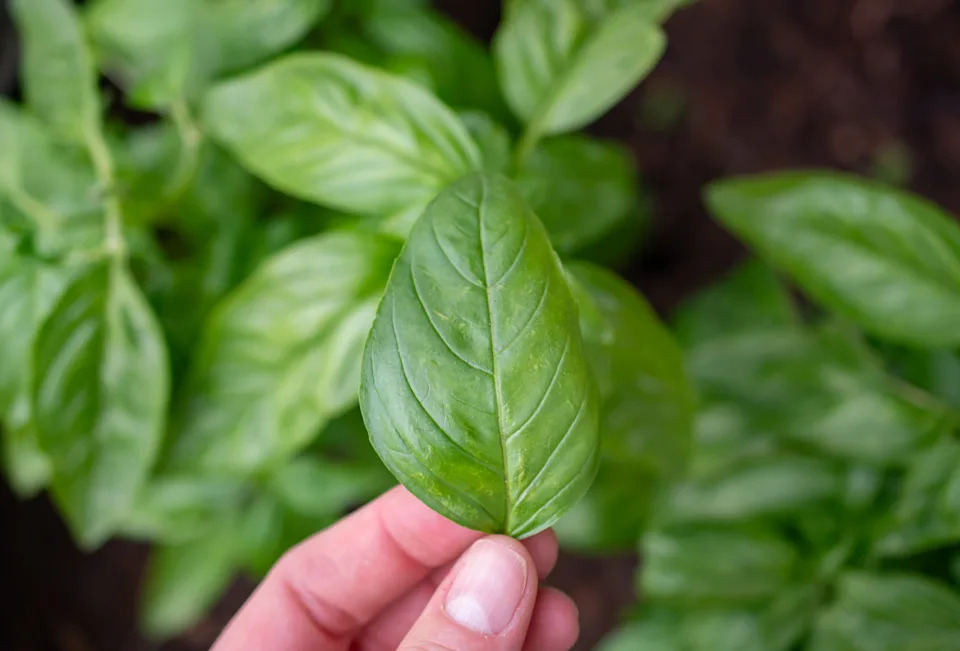
Regularly harvesting encourages more herb growth.
(AnaDeePhotography via Getty Images)
Regular harvesting actually encourages herbs to grow fuller. Use clean scissors to snip fresh green shoots just above a leaf node, where new leaves emerge. Leave the older woody stems intact, and pinch back the tips of new growth to encourage even more fresh leaves throughout the season.
Whether you grow a single pot of basil outside your back door or fill your patio with fragrant herbs, an herb garden is one of the easiest—and most rewarding—ways to add fresh flavor to your meals all summer long.
Comments are closed.