
Key Takeaways
Regular deadheading redirects energy back into the plant, encouraging continuous blooms and healthier roots.
Use sharp, clean tools and remove spent blooms at the first set of leaves to avoid pests and disease.
Weekly deadheading early in the season, increasing to every other day at peak bloom, keeps your dahlias looking their best.
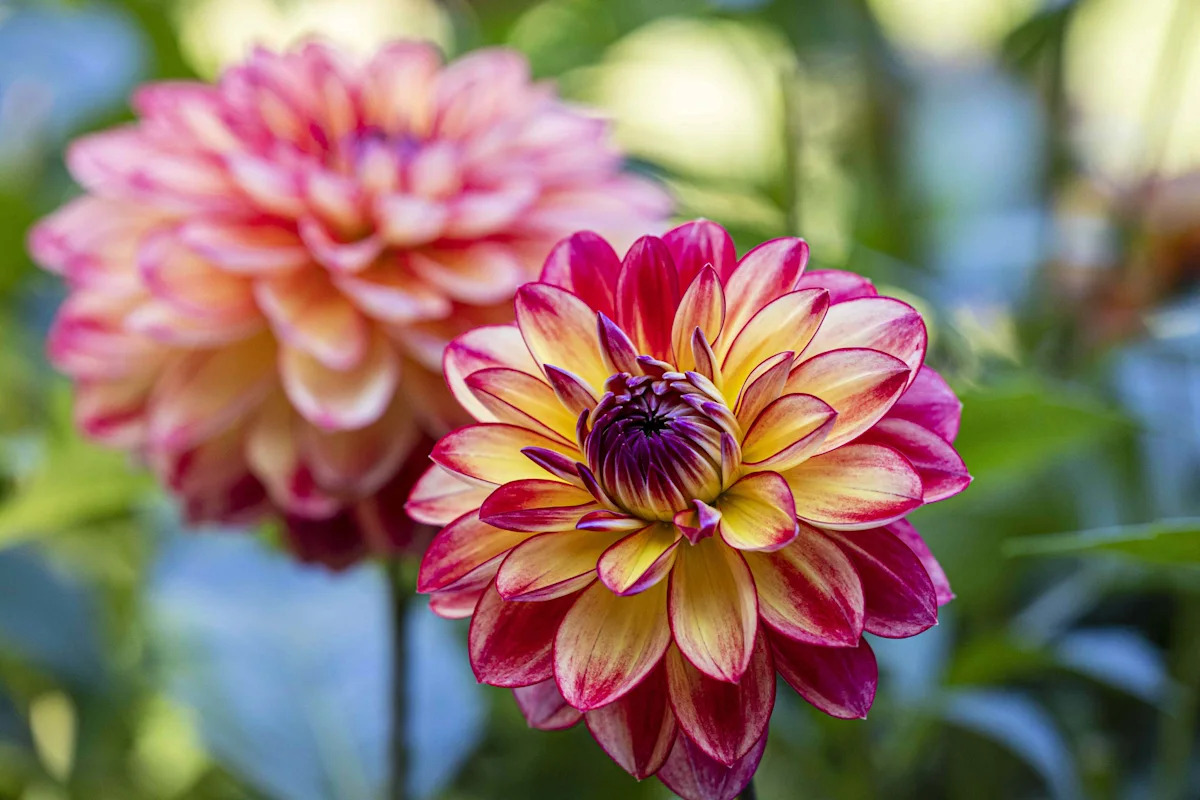
“Deadheading Dahlias” sounds like a great name for a hard rock band. But if your tastes run more to a summer garden filled with dinner-sized blooms in nearly every color, you know that deadheading dahlias is music to your ears. Dahlias are one of the most popular flowers in the garden because of their many varieties and colors, their long blooming period, and their beauty in floral arrangements.
Grab your garden shears, and let’s deadhead dahlias. This is the right way to keep your garden filled with vibrant blooms.
Understanding Deadheading
Deadheading is the removal of wilted blooms and buds (dead heads) from plants. It should not be confused with pruning to shape a plant, it is simply the removal of faded flowers. Deadheading dahlias encourages more flower development and returns the energy spent on trying to maintain a wilted flower back into the roots to keep the entire plant healthier.
Tools and Equipment Needed
Most gardeners have everything they need to deadhead dahlias already on hand — a cutting tool and a collection bucket. The key to successfully removing spent flowers is keeping the garden shears or a small knife sharp and clean. If the blade(s) of your cutting tool are not sharp, you will crush the stem instead of making a sharp, clean cut. A crushed stem can invite pests or diseases to enter the plant.
Advertisement
Advertisement
If you have pests or diseases like powdery mildew in your dahlia garden, take the time to dip the blades of your tool in a small cup of isopropyl (rubbing) alcohol between cuts. This will disinfect them and help prevent the spread of disease.
Always drop your clipped blooms and buds into a bucket so they can be added to the compost pile. Leaving debris in the garden will invite pests and possibly spread disease.
Identifying Spent Blooms
As a dahlia flower ages, the petals on the outer edges will begin to droop, wilt, and shrivel before the center of the bloom. When this occurs, it’s time to deadhead. This will prevent the plant’s energy and nutrients from going to a bloom that is on its way out.
If you missed the opportunity until the entire flower has shriveled and there is only a “bud” left, it should still be removed. What appears to be a bud is actually a seed pod that can zap the growth and later blooms on the plant. The only reason to leave these to mature is for propagation attempts.
Advertisement
Advertisement
If all of the flower petals are gone, it can be difficult to distinguish between new and spent buds. New buds that will flower are round and firm. Spent buds are pointed and soft and should be clipped.
Step-by-Step Guide to Deadheading Dahlias
Check your garden and container dahlias at least weekly for spent flowers.
Use sharp, clean hand pruners or a sharp knife to remove the wilting flowers and drop them into a collection container.
Cut the spent flower at the intersection of the stem and the first set of leaves. This gets rid of a “headless” stem sticking up from the plant.
If there are buds and a dying flower on one stem, you can remove only the wilted flower and leave the buds. Or, cut the entire stem down to the next set of leaves. Deadheading the flowers and buds down to the leaves encourages longer new shoots on the plant.
Timing and Frequency of Deadheading
Your hardiness zone affects when dahlias will begin to bloom. Dahlias reach maturity and bloom about eight to ten weeks after the tubers are planted in late spring. Dahlias can bloom for up to three months from the time they begin blooming in summer until fall. Your deadheading routine should begin as soon as the first blooms fade.
Weekly deadheading is usually enough for the first few weeks of the blooming period and should be increased to every other day during the height of the season. This will keep your dahlias blooming longer.
Additional Tips for Prolonging Blooming
It may seem counterproductive, but regularly cutting dahlia flowers for bouquets will encourage more blooms.
Large varieties of dahlias, like ‘Dinner Plate’, bloom best if the plant is staked to keep it upright.
Provide ample water and mulch around the bottom of the plants to retain moisture during periods of little rainfall and excessive heat.
Dahlias are susceptible to powdery mildew, so be sure to allow proper airflow around each plant to keep them healthy.
An organic fertilizer that is high in phosphorus helps assure a good flowering rate and strong stems. Apply lightly every two weeks.
As you deadhead, keep an eye out for pests like thrips, caterpillars, and earwigs. Slugs are often problematic when the foliage is young and tender. Use organic pest management to keep them under control.
Advertisement
Advertisement
Read the original article on Southern Living
Comments are closed.