
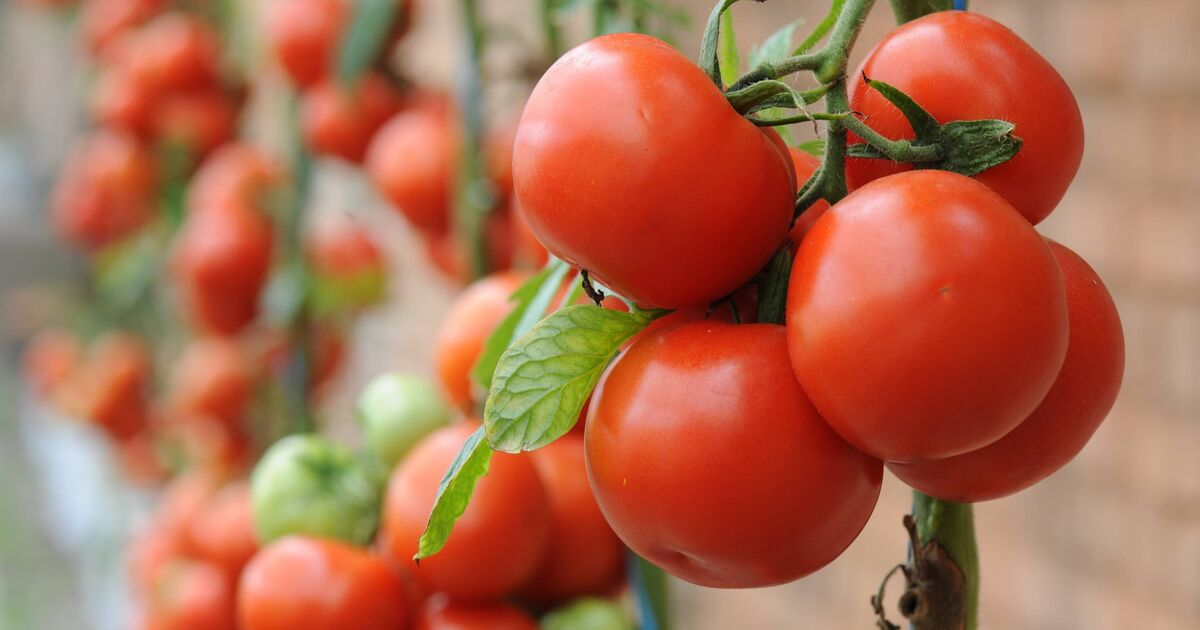

A common bathroom item might be the answer to growing juicier and bigger tomato plants (Image: AlexGcs via Getty Images)
Successfully growing tomatoes one season is enough to convince any gardener that replicating the achievement will be just as simple. Nevertheless, tomatoes are especially susceptible to a range of formidable pests, including aphids, leafminers, mealybugs, caterpillars, plant bugs, and spider mites.
Plant diseases such as blight and leaf spot are also common worries amongst gardeners, yet one problem that often goes overlooked is nutrient deficiency. Even the most dedicated growers can find themselves puzzled when previously thriving tomato plants start to appear a little worse for wear. Yellowing leaves, patchy fruit, and stunted growth can take hold, and despite every attempt, the plants simply refuse to bounce back.
Gardening experts recommend the solution could well be hiding in your bathroom cabinet. While it’s common to reach for a tomato feed rich in potassium during the flowering and fruiting stage, magnesium is often overlooked.
According to the Royal Horticultural Society, magnesium plays an essential role in chlorophyll production. Without sufficient levels, photosynthesis slows significantly, and plant growth declines.
Andrew Koehn, horticulturist at Scribner’s Catskill Lodge in Hunter, New York, notes that Epsom salts are a worthwhile solution if magnesium is definitely the problem, but they should be used with caution. He told Martha Stewart: “Magnesium deficiency usually appears as leaves with bright green ribs and veins and otherwise discoloured areas of yellow, red, or brown.”
The horticulturalist continued: “Magnesium is the center of the chlorophyll molecule, so it’s crucial for good green colour in leaves and therefore good for overall plant health.”

Epsom salt, or magnesium sulfate, can be beneficial for tomato plants with magnesium deficiency (Image: Getty)
If magnesium deficiency remains untreated, plant development may become stunted, leading to a diminished tomato harvest.
To confirm a magnesium deficiency, a simple soil test utilising a home testing kit ought to be adequate. Otherwise, the most apparent indicators on the plant comprise yellowing between the veins of older leaves, sometimes accompanied by reddish-brown hues.
Older leaves may also form brown patches and ultimately fall off prematurely. Thankfully, you can address the issue immediately by feeding tomatoes Epsom salts once monthly throughout the growing season.
Epsom salt, also referred to as magnesium sulphate, is a naturally occurring mineral compound containing magnesium, sulphur, and oxygen. Dissolve one tablespoon of Epsom salts in a gallon (just under four litres) of water and apply to the plant’s base.
Alternatively, you can dissolve one tablespoon of Epsom salts into a gallon of water and spray it onto the leaves for rapid absorption. It is worth noting that magnesium deficiency does not always signal a true lack of magnesium within the soil.
Excessive levels of potassium from fertilisers can impede magnesium absorption, meaning that striking the right balance is absolutely crucial.
Epsom salt is best regarded as a supplement rather than a universal remedy, and should therefore be applied sparingly. Keep a close eye on plants following application and discontinue use should no improvement become apparent.
Andrew said: “Applying Epsom salt or additional magnesium when your plants don’t need it may stunt plant growth and turn them too green, which is not good for plant health overall.”
Comments are closed.