

“Hearst Magazines and Yahoo may earn commission or revenue on some items through these links.”
If you think you wither in the heat, just think about your garden! We can hunker down indoors sipping lemonade, but our plants aren’t so lucky.
The good news is that a day or so of intense heat isn’t going to kill hardy, healthy, and well-watered plants. But without some precautions, a few days may stress more vulnerable vegetable gardens, flowers, and even landscape plants beyond what they can endure.
Luckily, giving your plants a little extra attention before the heat hits can make all the difference. But protect yourself, too—get out there early in the day (preferably by 8 a.m.) so you can tend to these watering chores and move containers into more sheltered conditions.
Follow these tips to get your garden through a heat wave:
1) Water early in the day.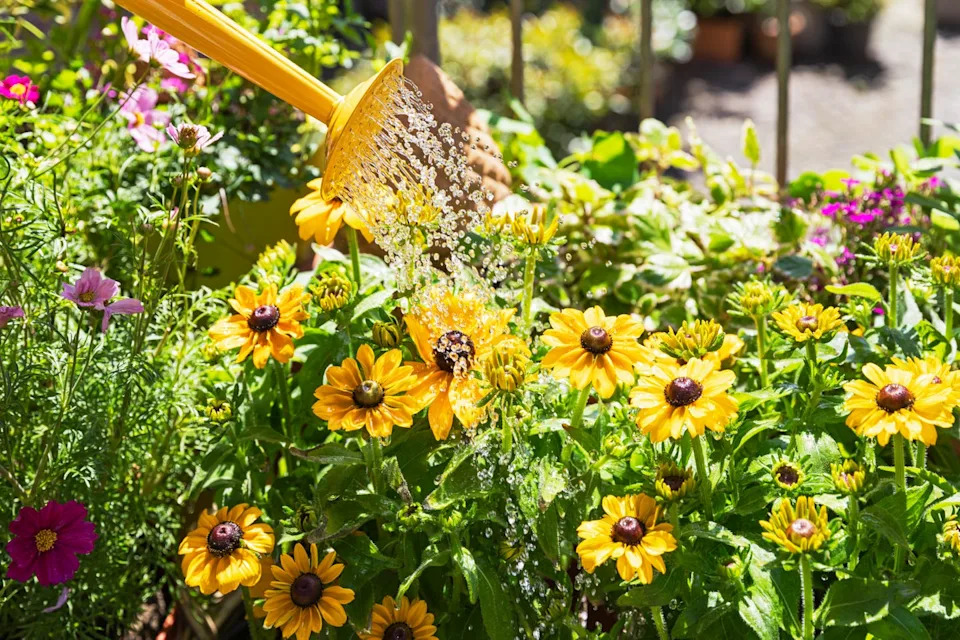
Photo credit: Westend61 – Getty Images
Water plants (and lawns) early in the day to reduce the amount of evaporation that occurs. It also helps them face the day well-hydrated.
It’s also better to water during the day to allow plants—especially vegetable plants such as tomatoes, which are vulnerable to many diseases—to dry out before nightfall. If you didn’t get around to watering early in the day and see plants wilting, go ahead and water immediately.
2) Soak thoroughly.
Photo credit: Uma Shankar sharma – Getty Images
When you’re thirsty, you take more than a sip—think of your plants the same way. Water your plants deeply, meaning not just a quick squirt from the hose.
Ideally, water container plants until the water runs out the bottom. Of course, be sure your pot has drainage holes, and dump out or don’t use the saucer underneath so you’re not making a secret breeding place for mosquitoes.
When watering landscape plants, poke a finger or hand trowel in a few inches deep. It’s not a perfect representation, but it will give you a sense of if water is getting to the root ball. Remember that sandy soils, which drain fast, may need watering more often than clay soils, which hold water.
3) Make shade.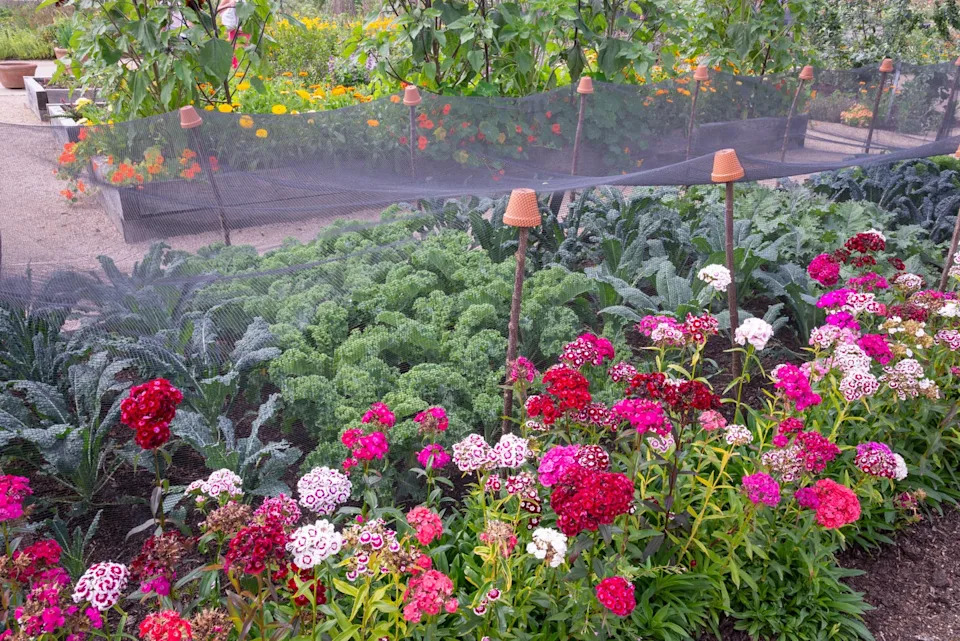
Photo credit: Photos by R A Kearton – Getty Images
Even heat lovers like tomatoes and peppers don’t enjoy daytime temperatures in the mid-90s with nights in the 70s. At sustained high temperatures, plants may drop flowers, fruit can become sunburned, and plants become stressed and more susceptible to pests and diseases.
Use shade cloth, which is like fine netting, to give your plants a break; it can easily be draped over stakes and attached with plastic cable ties (don’t let the fabric rest on the plants themselves because you still want good airflow, and heat from the cloth can burn plants). Look for products that block 30 to 50 percent of the sunlight. In a pinch, you also can use your patio umbrella to shade vulnerable plants.
4) Pay special attention to container plants.
Photo credit: Grace Cary – Getty Images
Container plants, window boxes, and hanging baskets dry out quickly and may need to be watered twice a day. Remember that permeable materials, such as terra cotta and ceramic, allow water to evaporate more quickly than containers such as plastic. Small pots also dry out faster than large pots.
Also, get your plants out of those black plastic nursery pots you bought them in because the roots will fry in extreme heat.
Finally, don’t overdo it. Check each container before watering by poking your finger into the soil so you don’t drown your plants. Not every pot will dry out at the same rate.
5) Baby new plantings.
Photo credit: simonkr – Getty Images
Perennials, trees, and shrubs planted earlier in the year have not yet established extensive root systems. Check them frequently, and water as needed.
6) Move containers away from the house.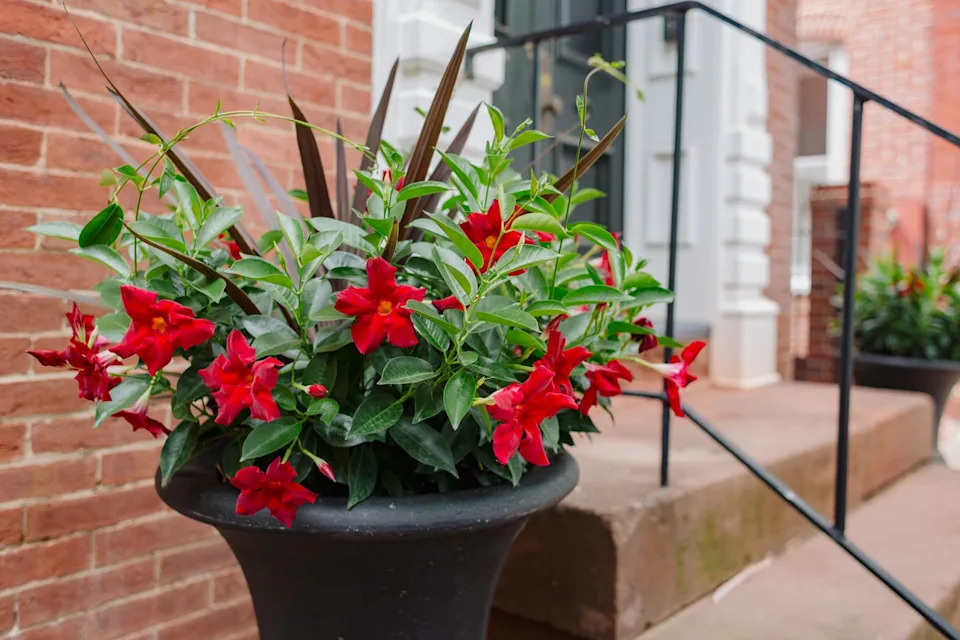
Photo credit: Grace Cary – Getty Images
Your house itself holds radiant heat throughout the day and night, especially south- and west-facing walls or surfaces such as brick, stucco, and concrete. Move containers away from the house, if possible, and into more shaded areas—or at least don’t let pots sit right up against the foundation.
Hint: Placing large pots on wheeled trolleys will make your life easier the next time you need to move planters!
7) Hold off on pruning.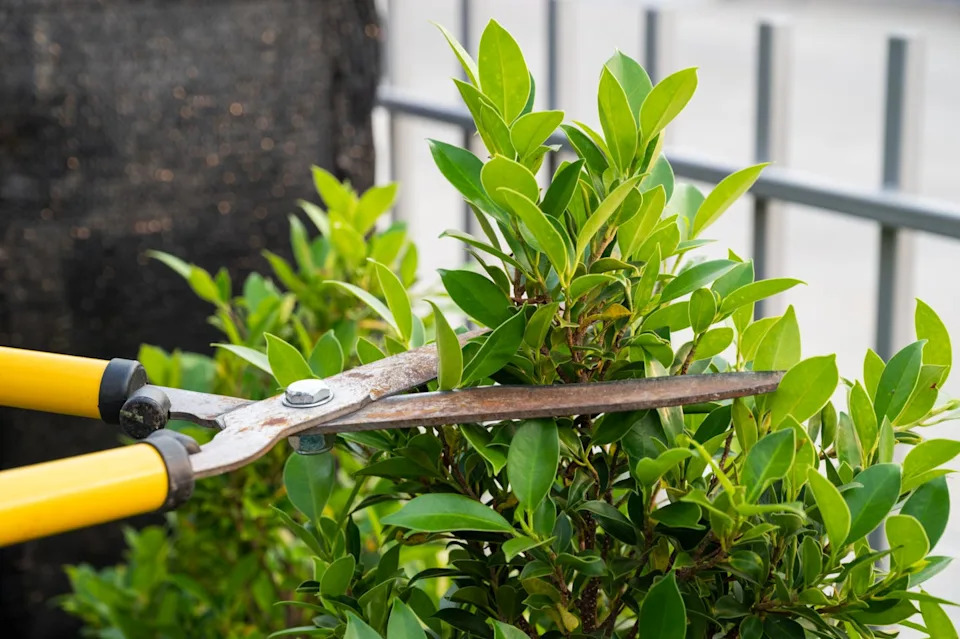
Photo credit: Boy_Anupong – Getty Images
It’s fine to trim off dead or broken branches, especially if they’re causing a safety hazard. But pruning creates a wound that the plant must heal. Don’t place additional stresses on your plant right now.
8) Don’t fertilize during a heat wave.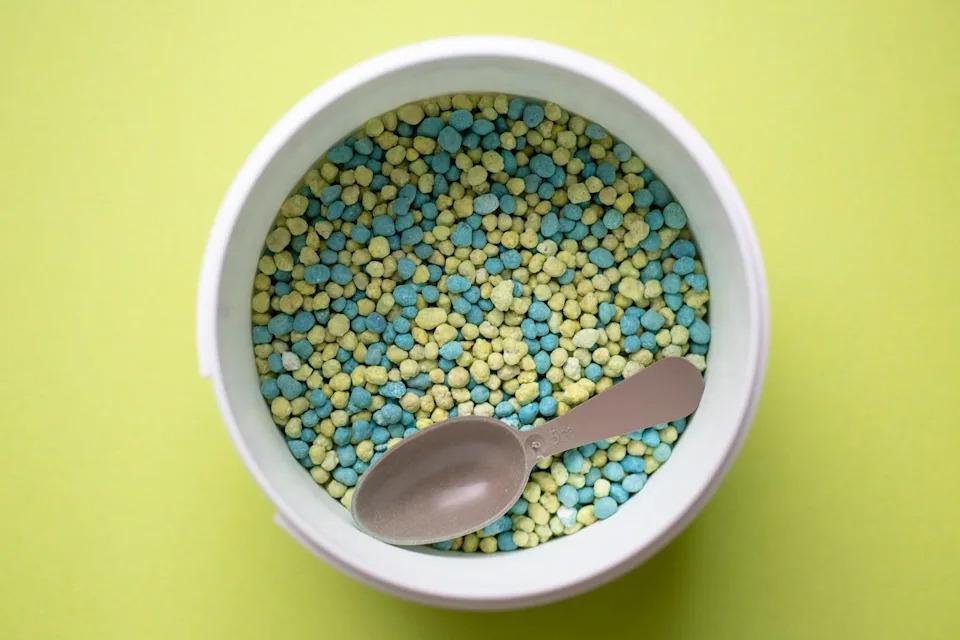
Photo credit: Jennifer A Smith – Getty Images
Providing all those nice nutrients encourages new growth, which is not what the plant should be concentrating on right now. It needs to be focused on survival! Wait until you’re past a heat wave to fertilize both in-ground plants and planters.
9) Don’t plant or transplant.
Photo credit: Antonio Martin Sanchez – Getty Images
New plants likely won’t survive the shock of planting during a heat wave. Hold off until temperatures moderate. If you do have a plant you purchased but haven’t yet gotten in the ground, keep it in the shade, water, and wait out the heat wave.
10) Apply mulch.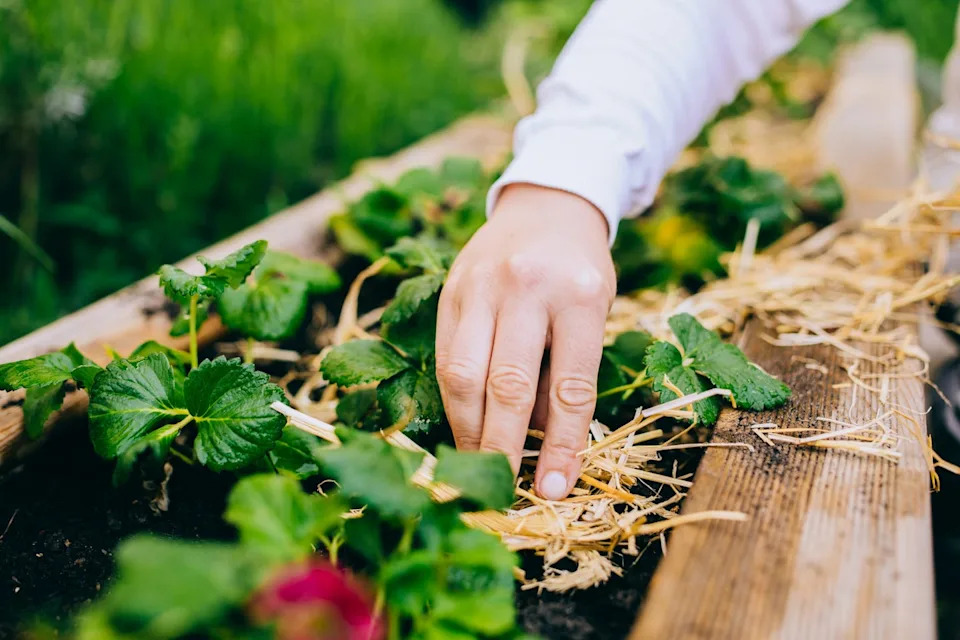
Photo credit: Guido Mieth – Getty Images
Granted, it’s likely too late to do so if you’re already in the throes of a heat wave since you shouldn’t be out there either! But do it once it cools down to protect plants from the next round of steamy temperatures. Use 2 to 3 inches of organic mulch that will break down, such as shredded bark, chips, or pine straw.
Make sure it’s not touching the stems or trunk, which will keep them damp, inviting pests and diseases. Mulch not only moderates soil temperatures and holds moisture, it also keeps down weeds. That’s good for you and your garden!
You Might Also Like
Comments are closed.