
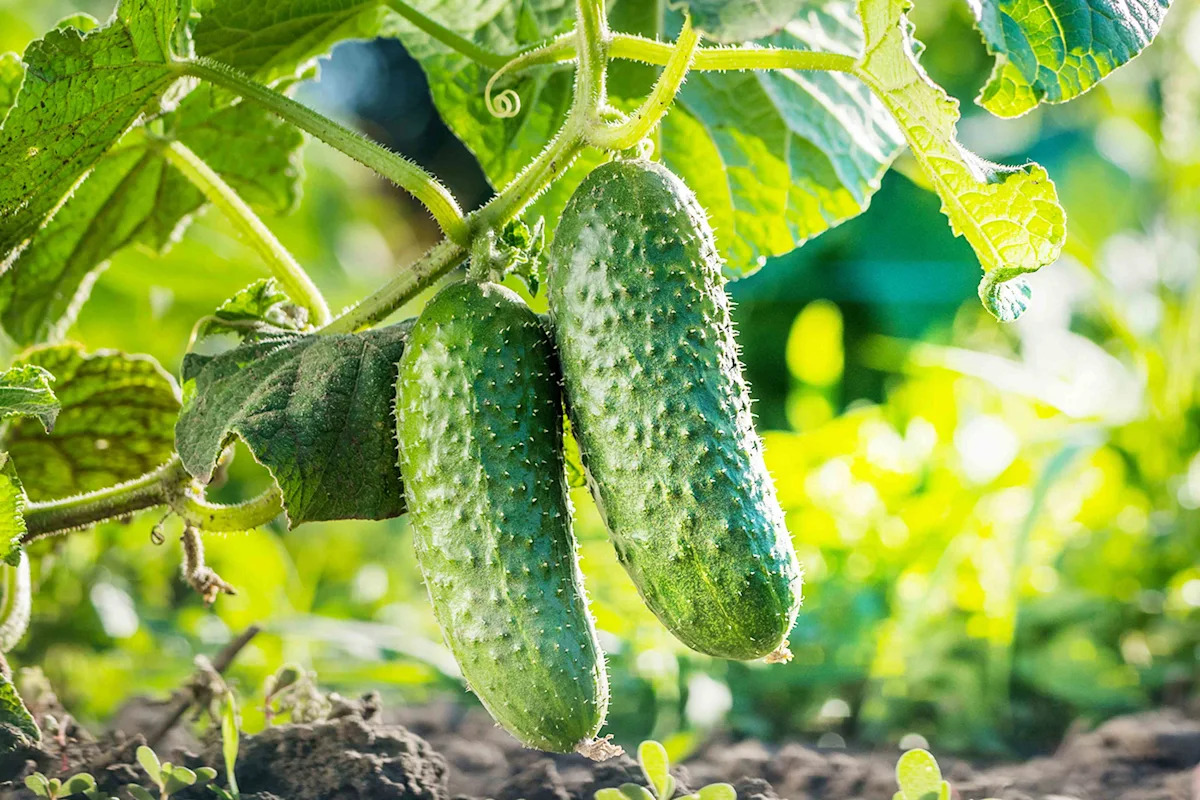
Looking forward to biting into a fresh, juicy cucumber plucked right from your garden? To successfully produce this summer staple, it’s important to know which plants should not be grown nearby. “Cucumbers generally grow well with many other edibles and flowering perennials,” says Beth Bolles, horticulture agent with the University of Florida IFAS Extension Escambia County. However, several plants can negatively affect cucumber growth and flavor. If you’re growing cucumbers in your garden, experts share below a list of bad companion plants for cucumbers that should not be planted nearby.
Meet the Expert
Matthew Wilson is a gardening expert and CEO of Handy Gardeners, a company that specializes in gardening and landscaping.
Related: 8 Cool, Crunchy Cucumber Salad Recipes to Make Right Now
Advertisement
Advertisement
01 of 09
Squash
Credit: Steve Cicero / Getty Images
Planting squash next to cucumbers can attract pests that harm your cucumbers. “Since squash is in the same family as cucumbers, they have the same pests (such as powdery mildew and squash vine borer),” says Bolles. “An example of an insect that will attack squash and cucumber fruit is pickleworm.”
02 of 09
Sage
Credit: RayTango / Getty Images
Planting sage next to cucumbers is not wise. The reason is twofold: The aroma of sage can interfere with the crisp “cucumber-y” taste of cucumbers, while both plants compete for water resources, which can inhibit cucumbers’ growth.
03 of 09
Mint
Credit: Tobias Titz / Getty Images
Mint is an aggressively growing herb best relegated to containers. If planting mint in your garden, be sure to keep it far away from cucumbers, as it will compete for space and nutrients and take away vital elements cucumbers require.
Advertisement
Advertisement
Related: 11 Reasons Your Cucumber Leaves Are Wilting—and How to Fix It
04 of 09
Melons (Watermelon, Cantaloupe, Honeydew)
Melons, including watermelon, cantaloupe, and honeydew, belong to the botanical family Cucurbitaceae, which also includes cucumbers. “They’re also attackable by the same pests and diseases, including cucumber beetles and powdery mildew,” says Matthew Wilson, gardening expert and CEO of Handy Gardeners. “Mixed cropping may allow more pests and diseases to attack the site, thereby bringing about poor harvests with fruits of poor quality for both. Cultivating them side by side may promote the infection rate from one crop to the other.”
05 of 09
Potatoes
Credit: Blinow61 / Getty Images
Both potatoes and cucumbers are prone to blight, which can ruin them if planted close together, says Bolles. Also, remember that both plants are heavy feeders and will compete for resources, with deep-rooted potatoes usually winning the competition.
Advertisement
Advertisement
06 of 09
Sunflowers
Credit: VeryBigAlex / Getty Images
Sunflowers produce allelopathic compounds that inhibit the growth of surrounding plants. “They can commonly stunt the growth of cucumbers and destroy output,” says Wilson. “Sunflowers also shade the ground so densely that they will not let the cucumbers see the light of day. It is best to keep these two plants separate in the garden.”
Related: Why Some Cucumbers Are Bitter—and What You Can Do About It
07 of 09
Zucchini
Credit: Yelena Shander / Getty Images
Although cucumber and zucchini belong to the same family and require similar growing conditions, which include sunlight, well-drained, fertile soil, and copious amounts of water, they should not be grown next to one another. Both zucchini and cucumber suffer from the same diseases and pests, like gray mold, mildew, and cucumber mosaic virus, all of which can be exacerbated when grown next to one another.
Advertisement
Advertisement
08 of 09
Fennel
Fennel emits chemicals that can suppress the growth of nearby plants, such as cucumbers. “If planted next to fennel, the cucumber will not grow very well, with lower yields and inferior fruit quality,” says Wilson. “Furthermore, fennel will attract some pests, particularly aphids and caterpillars, which will do some damage to the cucumber.”
09 of 09
Basil
Like sage, basil is an aromatic herb with strong natural oils that can negatively affect the flavor of cucumbers. The cucumbers can absorb the oils and lose their fresh flavor.
Read the original article on Martha Stewart
Comments are closed.