
A New York gardener’s half-joking fear of “tomato bandits” is tapping into a much larger anxiety that could one day materialize.
On the r/vegetablegardening subreddit, they wondered what happens when food prices keep rising and more households start looking for ways to protect their grocery budgets.
What’s happening?
In a lively Reddit discussion, one backyard grower described gardening not just as a hobby, but as a possible buffer against looming food insecurity.
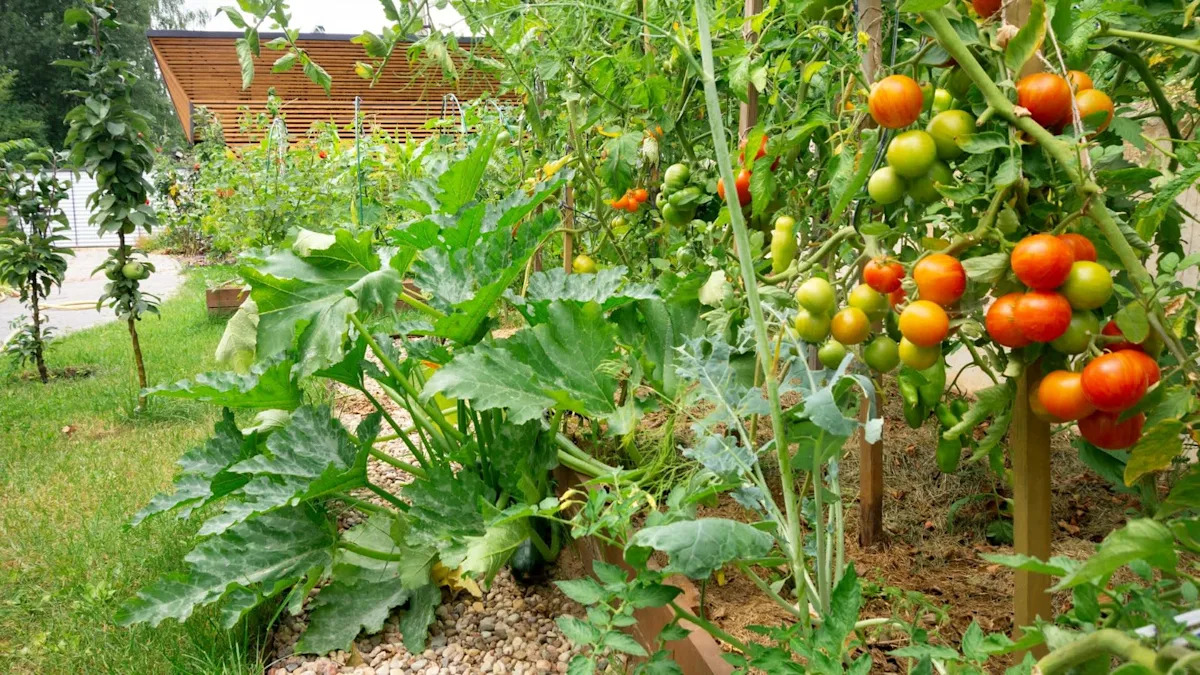
The New York gardener in Zone 6b asked whether anyone else was using home growing as a hedge against possible food insecurity. They said they are in their second year of gardening, with four 25-by-5-foot beds planted in tomatoes, beans, onions, and garlic greens, and were confused that rural neighbors and friends with enough space were not gardening too.
They said the idea has not gone over well with people close to them. The poster also said they were half-jokingly concerned about “tomato bandits” this summer, if prices rise the way they expect.
From there, the conversation expanded past one person’s backyard and into a broader argument about what kinds of food stress Americans are more likely to face.
A number of commenters said the more plausible problem is not bare supermarket shelves but food becoming more expensive, since the U.S. still produces large surpluses. At the same time, others noted that fertilizer constraints, diesel prices, and climate-related damage to harvests can still send costs higher.
Why does it matter?
For many people in the thread, the real concern was cost rather than outright scarcity. Stores can stay stocked while groceries still become harder for households to afford.
That difference came up again and again, including in discussions about fertilizer. Commenters said synthetic nitrogen depends heavily on petroleum, so disruptions in fuel markets can flow through the food system and raise prices.
Users also highlighted climate instability as another source of pressure, warning that more erratic weather can disrupt harvests and make food costs less predictable.
Some commenters also challenged the idea that a backyard garden can completely offset higher grocery bills. As they noted in the Reddit thread, growing produce often requires higher upfront spending than buying vegetables at the store and usually does not provide enough calories to sustain a household by itself.
Even so, many participants said a garden can still add some resilience if it centers on productive, nutrient-dense, or storable crops instead of treating tomatoes alone as the answer.
What can I do?
The practical advice in the thread centered more on preparing than panicking.
Commenters suggested prioritizing crops like potatoes, winter squash, garlic, and beans, saying they offer more substance and keep longer than a small selection of summer vegetables.
Some also pointed to the World War II “Victory Gardens” period, when home plots reportedly produced about 40% of U.S. produce. In that comparison, backyard gardening served as support for the wider food system rather than a substitute for it.
Community was another major theme. A repeated suggestion was to “be the village” by exchanging starts, sharing know-how, and giving extra produce to local food banks, many of which accept fresh garden harvests.
Get TCD’s free newsletters for easy tips, smart advice, and a chance to earn $5,000 toward home upgrades. To see more stories like this one, change your Google preferences here.
Comments are closed.