
ANGELA YOUNGMAN reports on how Rochester Cathedral is developing a community garden as part of its well-being program…
Norwich, UK
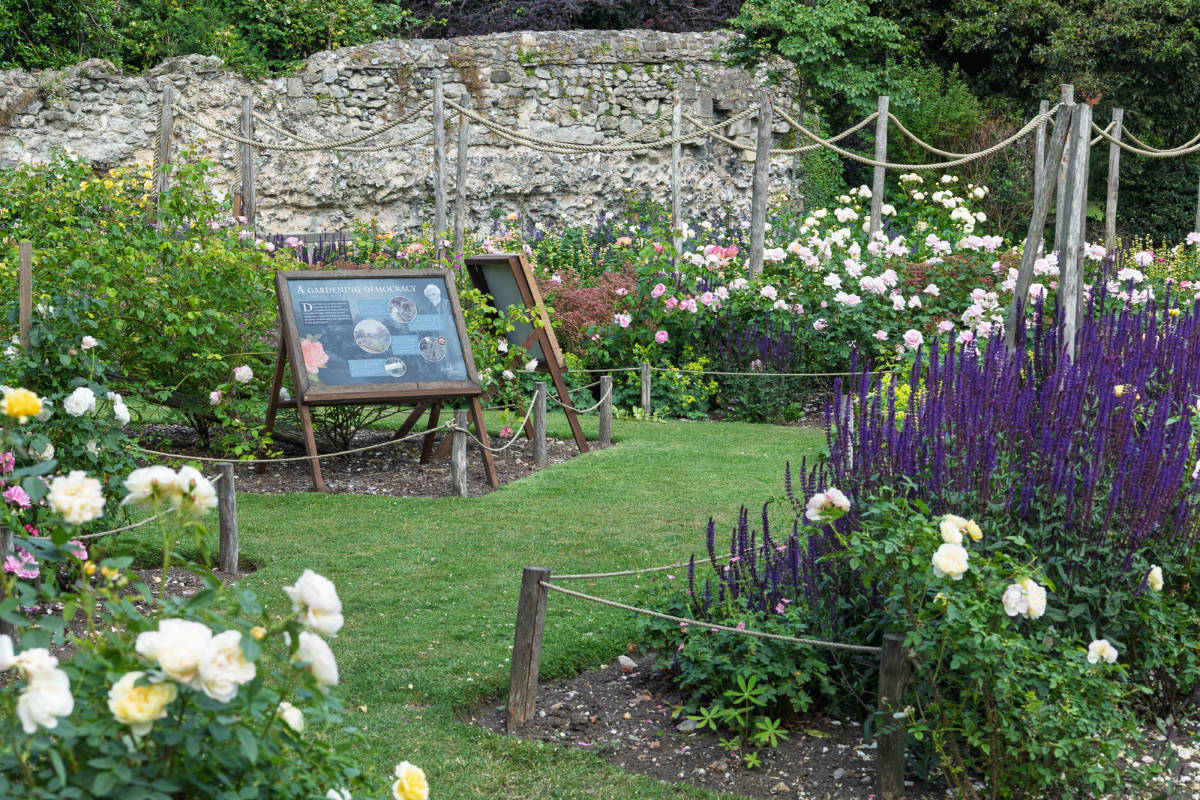
Horticulture is set to play a prominent role in Rochester Cathedral’s well-being and mental health mission. The cathedral, located in south-east England, is developing a secret 1.2 hectare community garden that can be used by people in need of help and support, forming part of the cathedral’s well-being program combining arts, horticulture and music.
The garden had originally formed part of the grounds of the cathedral and dean’s house but hidden behind a medieval wall. Very few people knew it existed.
The secret garden at Rochester Cathedral. PICTURE: Courtesy of Rochester Cathedral.
The Dean of Rochester, the Very Reverend Dr Philip Hesketh, told Sight: “I had always felt that the walled garden was a special place even though it was a wilderness, with decades of overgrown trees and brambles. During COVID, we came to realise that it could be used for the health and wellness aspect of the cathedral’s work.”
“I had always felt that the walled garden was a special place even though it was a wilderness, with decades of overgrown trees and brambles. During COVID, we came to realise that it could be used for the health and wellness aspect of the cathedral’s work.”
– Dr Philip Hesketh, Dean of Rochester
Creating a new gateway made it much more accessible to everyone. Now the area is becoming a focus for the Church of England cathedral’s work and wider mission within the community. Schools groups now learn about the work of a medieval monk within the cathedral itself, and then discover the practical work they did in the infirmary garden. It provides a new perspective on the work and life of medieval monks.
Rochester has a long history of horticultural involvement.
Between 1866-1904, the Dean of Rochester Cathedral, Samuel Reynolds Hole, was a rose specialist, known as ‘The Rose King’. He grow over 135 species within a rose garden situated behind the cathedral, and wrote a major book on the subject, popularising English rose growing. He also founded the National Rose Show.
The project began by reinstating the rose garden, with the aid of the Rose Society, by planting many of the roses known to Dean Hole. Assisted by a team of volunteers, cathedral gardener Graham Huckstepp began to explore ways in which the garden could be used with charities.
The aim was to transform the remainder of the walled garden, adding a small vineyard, wildflowers, orchard, vegetable growing and community garden. An infirmary herb garden reflected the history of the medieval monastery that was once linked to the cathedral. A group of Royal Engineers veterans came and restored a summerhouse that the Royal Engineers had originally built in 1979.
We rely on our readers to fund Sight’s work – become a financial supporter today!
“When the cathedral is open, we want people to feel they can come in, relax, reflect because this is important for their health and wellness. We are now working on finding someone with appropriate skills to work as a horticultural therapist with special needs groups and other community groups,” explained Hesketh.
The horticultural therapist would work alongside other co-ordinators in music and art, to develop an outreach service that would work with special needs and community groups to provide whatever facilities and needs those groups possess. Funding for the initiative has been provided by the Dorothy Kerin Trust, a Christian charity that works in the field of physical, mental health and wellbeing in the community.
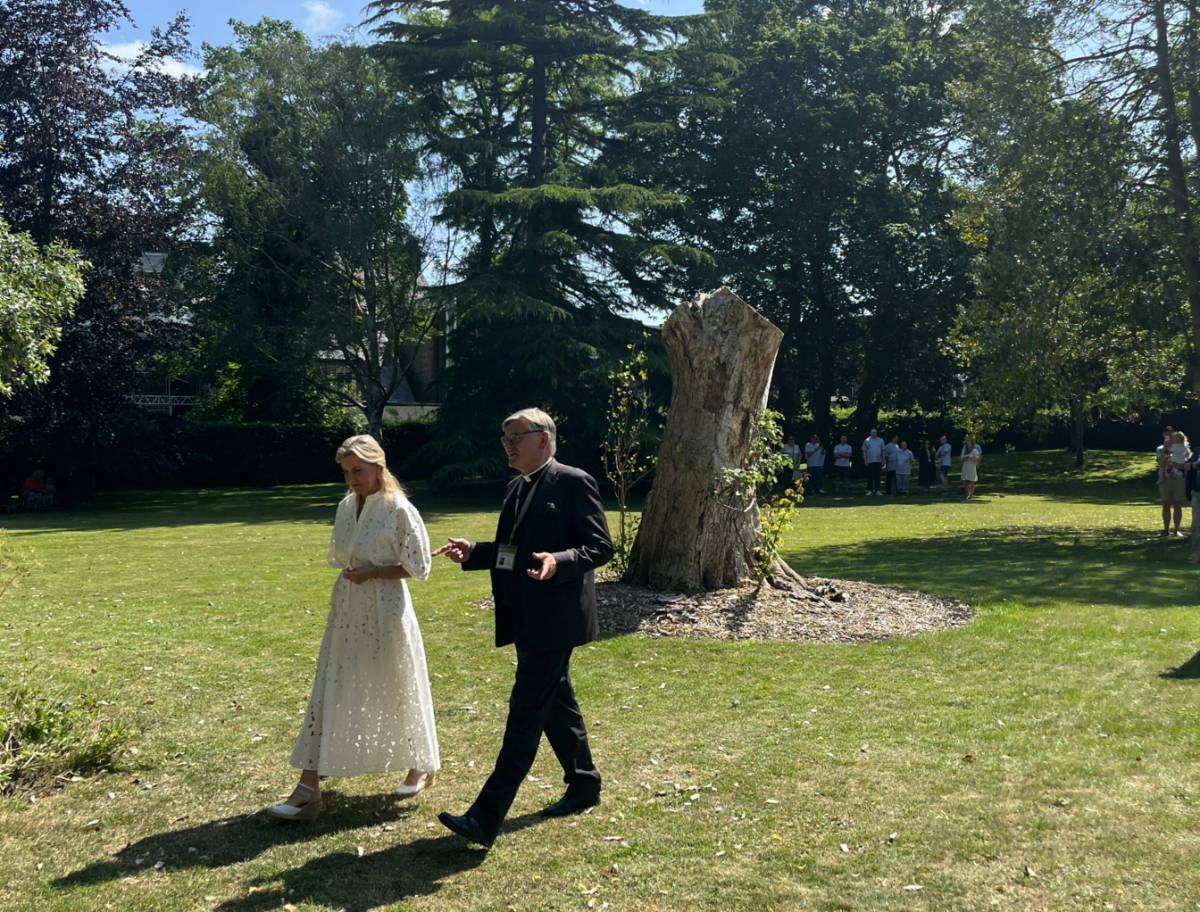
The Dean of Rochester, the Very Rev Philip Hesketh with the Duchess of Edinburgh in the cathedral’s secret garden. PICTURE: Courtesy of Rochester Cathedral
The focus on horticulture as part of the cathedral’s mission pulls together the history and future of the cathedral as Hesketh explains.
“Dean Hole wrote about how being in a garden is being close to God and that the happiness of mankind may be increased by encouraging the love of a garden,” he said.
“He saw religion bringing people together, and building a new community. It is rooted in the question of who and what we are doing to keep this cathedral open. This is a community of hope and salvation. The linguistic root of salvation lies in health and wholeness. We are helping people to grow in the image of Christ.”
Comments are closed.