
Key takeaways
Highgrove House has been King Charles’s beloved Cotswolds retreat since 1980, and the gardens he spent 45 years creating are considered among the world’s finest organic gardens.
Princess Diana reportedly compared her visits to “a return to prison,” partly because Camilla Parker Bowles lived nearby.
The gardens are open to the public from April to October, but a 2025 report claimed eleven of twelve gardeners have quit since 2022.
No royal residence seems to divide the people who have lived there quite like Highgrove. For King Charles III, the Georgian house in the Gloucestershire countryside is a life’s work and a sanctuary. It’s the place royal biographers say he feels most himself and where he retreated to grieve in the days after his mother’s death. For Princess Diana, it was something else entirely. Behind its honey-stone walls and famous gardens lies a story of love, heartbreak, eccentric genius, and one very tall delphinium. Here’s what most people don’t know about the King’s beloved country home.
Highgrove was bought as a family home, two years before Charles married Diana
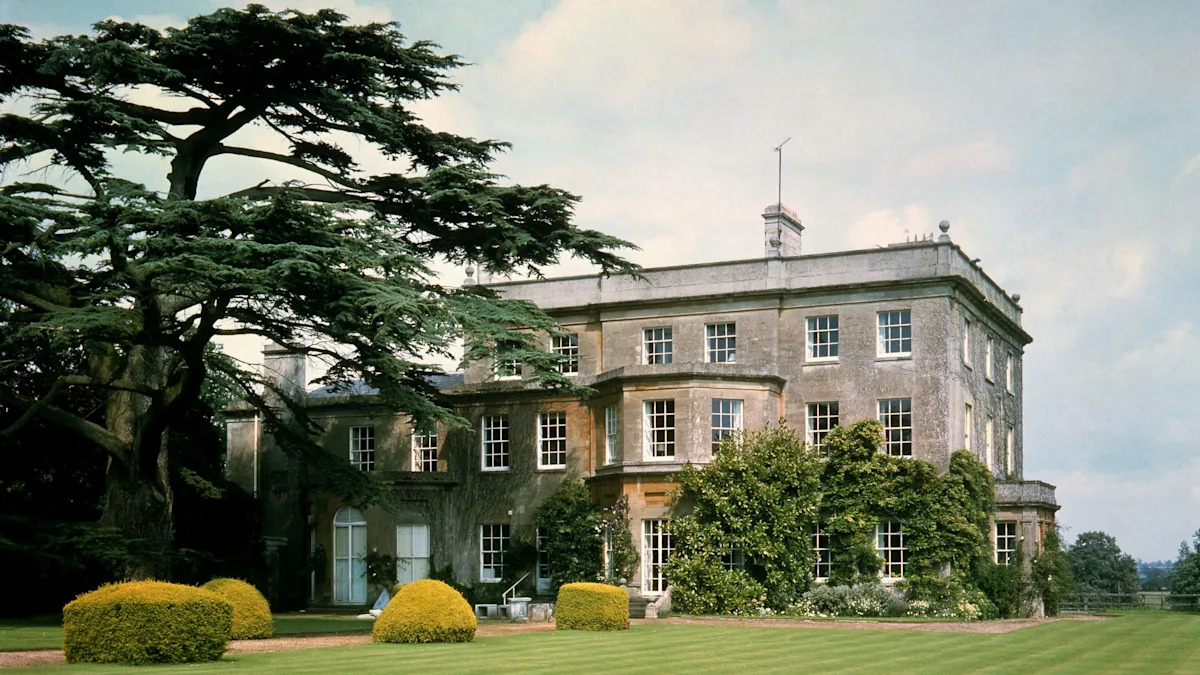
Highgrove House was built between 1796 and 1798 for a local landowner named John Paul Paul, with the design attributed to the Gloucestershire architect Anthony Keck, as Royal Central notes. The official Historic England listing, which records the house as a Grade II listed building, confirms its late-18th-century origins. The Georgian house passed through many hands over nearly two centuries before the Duchy of Cornwall purchased it in 1980 from Maurice Macmillan, son of former Prime Minister Harold Macmillan, after which Charles became its tenant for life.

Highgrove, the Prince of Wales’ Georgian Mansion in Gloucestershire as it looked on May 31, 1981.
(PA Images / Alamy.com)
Following his 1981 wedding of Charles and Diana, it became the young Wales family’s country home, where Prince William and Prince Harry spent much of their childhood. A treehouse built for the young princes in the late 1980s, charmingly named “Hollyrood House” as a nod to the royals’ official Scottish residence, still stands in the gardens, and as People reported, it was restored with a new thatched roof by a craftsman trained through the King’s Foundation.
Princess Diana reportedly called her visits ‘a return to prison’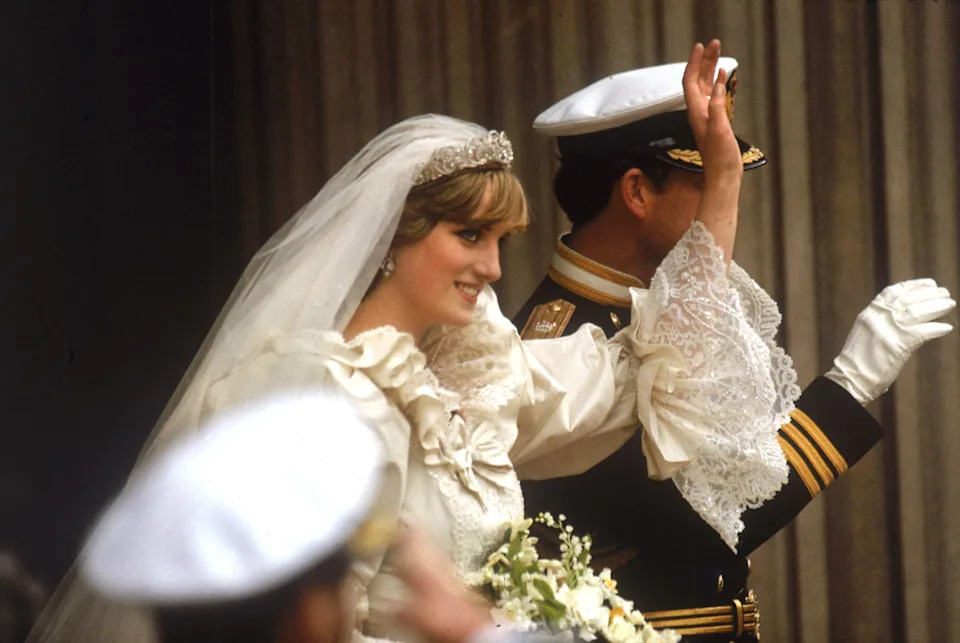
Charles and Diana on their wedding day in July 1981. Highgrove became the couple’s country home, but biographer Andrew Morton wrote that Diana never felt at home there.
(Chronicle / Alamy.com)
For Diana, Highgrove never felt like home. According to Andrew Morton’s biography Diana: Her True Story, written with the princess’s secret cooperation, she referred to her trips to the Gloucestershire house as feeling like a return to prison. Morton quotes her friend James Gilbey explaining why: “She dislikes Highgrove. She feels that Camilla lives just down the road and regardless of any effort she puts into the house, she never feels it is her home.”
Charles found “a blank canvas” and spent 45 years painting it
When Charles arrived in 1980, the gardens were overgrown and largely untended. What happened next became one of the great personal gardening projects of the modern age. As the Royal Horticultural Society shared, the King has described the property as “a blank canvas” where he had to start from scratch, and broadcaster Alan Titchmarsh has called him “the best royal gardener in history.”
Working with celebrated gardeners including Rosemary Verey and Miriam Rothschild, Charles created an interlinked series of gardens at Highgrove, from the Thyme Walk to the Stumpery to a four-acre wildflower meadow he began more than 40 years ago. According to Countryfile, his stated aim was for the gardens to “please the eye and sit in harmony with nature.”
Highgrove went organic decades before it was fashionable
Long before sustainability became a mainstream cause, Charles made it a priority at Highgrove. The RHS recorded that organic farming was introduced on the estate’s Home Farm land in the 1980s, and the estate achieved full organic status in 1994. As The Crown Chronicles reported, no pesticides or chemicals are used. Compost is made from old leaves. Rainwater is collected in vast underground tanks to irrigate the flower beds. Ongoing efforts help keep the home and its gardens sustainable.
The gardens hide clamshells from a king, 200 chickens, and a 9-foot delphinium
The official Royal Family website shared that a water feature near the Stumpery contains four Pacific Ocean clamshells taken from Edward VII’s garden at Sandringham. Some 200 chickens roam beneath the fruit trees. The Carpet Garden began as a Chelsea Flower Show entry designed around two Turkish carpets from inside the house, and it won a Silver Gilt award.
Charles grows heritage vegetable varieties with names that sound like characters from a village pantomime, including the “Doug Bray of Grimsby” pea and the “Red Elephant” carrot. As Patron of the Delphinium Society, the King has presided over a recorded delphinium of 9 feet 10 inches. Every cut flower displayed in Highgrove House is grown in its own gardens.
Yes, King Charles really does talk to his plants
It’s one of the most affectionately mocked facts about the King, and he has never walked it back. Charles famously revealed decades ago that he talks to his plants, and the gardens at Highgrove are where that famously hands-on relationship plays out. “I had a lot of flack – but I knew what I was doing,” Charles said, according to RHS, “It was ‘potty this’ and ‘loony that’. I love the countryside and being in touch with things. I happily talk to the plants, the trees, and listen to them. I think it’s absolutely crucial.”
The King has long been personally involved in the work, feeding the chickens and planting trees by hand. The official Highgrove Gardens website quotes him as saying, “One of my great joys is to see the pleasure that the garden can bring to many of the visitors and that everybody seems to find some part of it that is special to them.”
Highgrove is where Charles went to grieve when he became King
Highgrove’s emotional importance to Charles was never clearer than in September 2022. As LBC News reported, after a week of relentless public mourning following Queen Elizabeth II’s death, the new King took his first day of rest at Highgrove, the home where royal biographers say he can really be himself. He had raised his family there, found comfort in its gardens through the hardest chapters of his life, and returned to it at the moment of his greatest loss.
But all is reportedly not rosy in the garden
The most recent chapter for the gardens is a thornier one. In July 2025, LBC News reported that eleven of the twelve gardeners on the Highgrove team had left since 2022, with at least one staff complaint claiming the team was “under-resourced and constantly struggling to fulfill the King’s request.” The reporting described low morale and physical strain, and relayed one particularly cutting remark attributed to the King after a staff member showed “a lack of knowledge about a particular flower”: “Don’t put that man in front of me again.” These claims come from anonymous sources via The Sunday Times and have not been confirmed by the palace, but they paint a picture of a monarch whose exacting passion for his garden may be demanding too much from some gardeners.
A spokesperson for The King’s Foundation, which now manages the gardens, said in part, “At The King’s Foundation, we take staff welfare extremely seriously and strive to be an exemplary employer. We are proud to regularly report very high satisfaction rates in our annual staff survey.”
“Our staff turnover is well below the national average, as is the number of formal grievances raised. For the gardening team at Highgrove specifically, we regularly review guidance from the Professional Gardeners Guild for pay benchmarking.”
The spokesperson added, “Highgrove has also seen many positive developments since The King’s Foundation became the charitable custodian of the gardens. Since 2022, the operating profit has more than doubled, a new education facility teaching traditional heritage skills to hundreds of students has been established, and visitor numbers continue to reach over 40,000 annually.”
You can actually visit Highgrove, and tens of thousands do
Unlike most private royal homes, Highgrove’s gardens welcome the public. The Highgrove House itself is closed, but the gardens are open for guided tours from April to October, drawing over 30,000 visitors a year, with a farm shop and tearoom serving Highgrove-made produce. The gardens have been open since 1996, and proceeds support the King’s charitable work. For the price of a tour ticket from Highgrove Gardens, you can walk the same paths where a king talks to his plants and maybe say a few words to them yourself.
Thanks for reading! For more about historical homes and the royal family, follow me on Yahoo.
Comments are closed.