
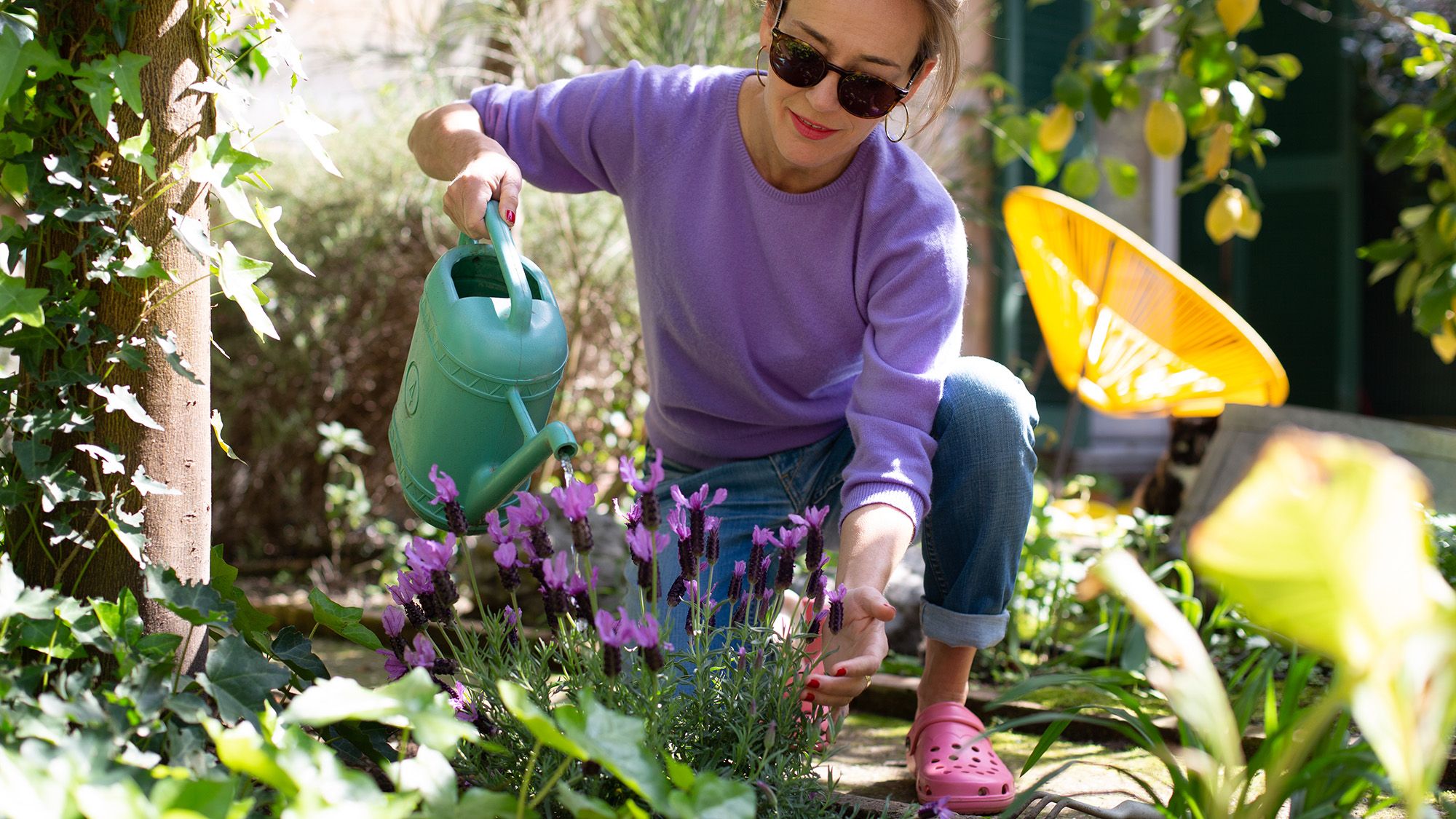
There’s no doubt about it. It’s almost impossible to have any kind of garden, no matter how small, without spending at least something. Even though I’ve been gardening for three decades, I am still astounded at the cost of buying plants every time I visit my local nursery.
But it’s not just plants that make a garden. Those plants need feeding, pruning with a quality pair of shears and watering. Then, of course, you have the added expense of buying containers if you’re not planting straight into beds.
If you are new to gardening, the costs could put you off before you even get started. However, there are smart ways to build a garden on a budget, using clever planting ideas. With the help of expert gardeners, I share the best ways to create a beautifully planted garden for less.
Latest Videos From 1. Focus on long-term value
(Image credit: Shutterstock)
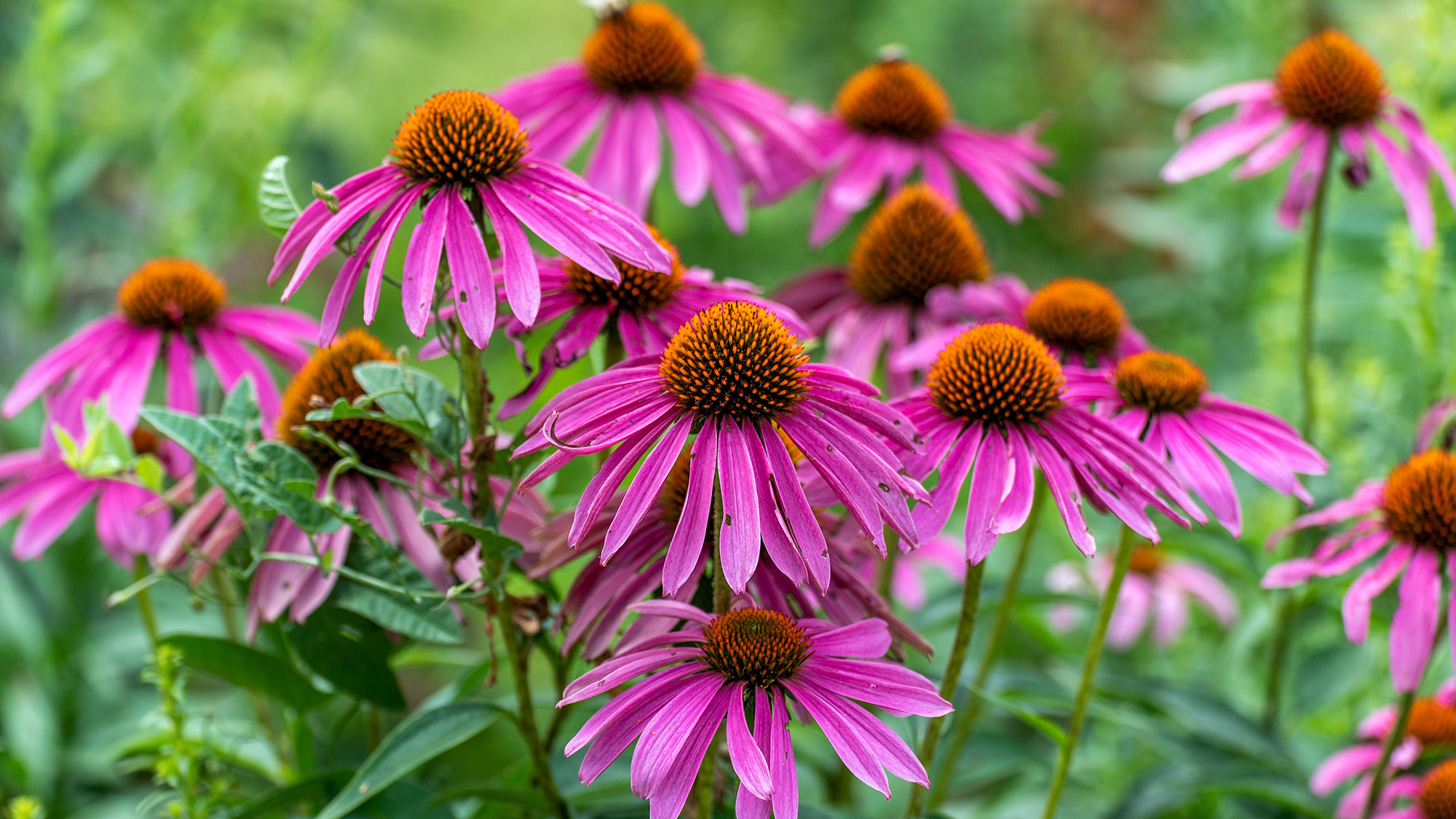
The key to planting a budget garden is to think long-term. “Start by looking at perennials. You buy them once, and they come back every year,” says Lindsey Chastain, founder and editor at Waddle and Cluck. And although she says you have a higher upfront cost, you can build up your collection over time.
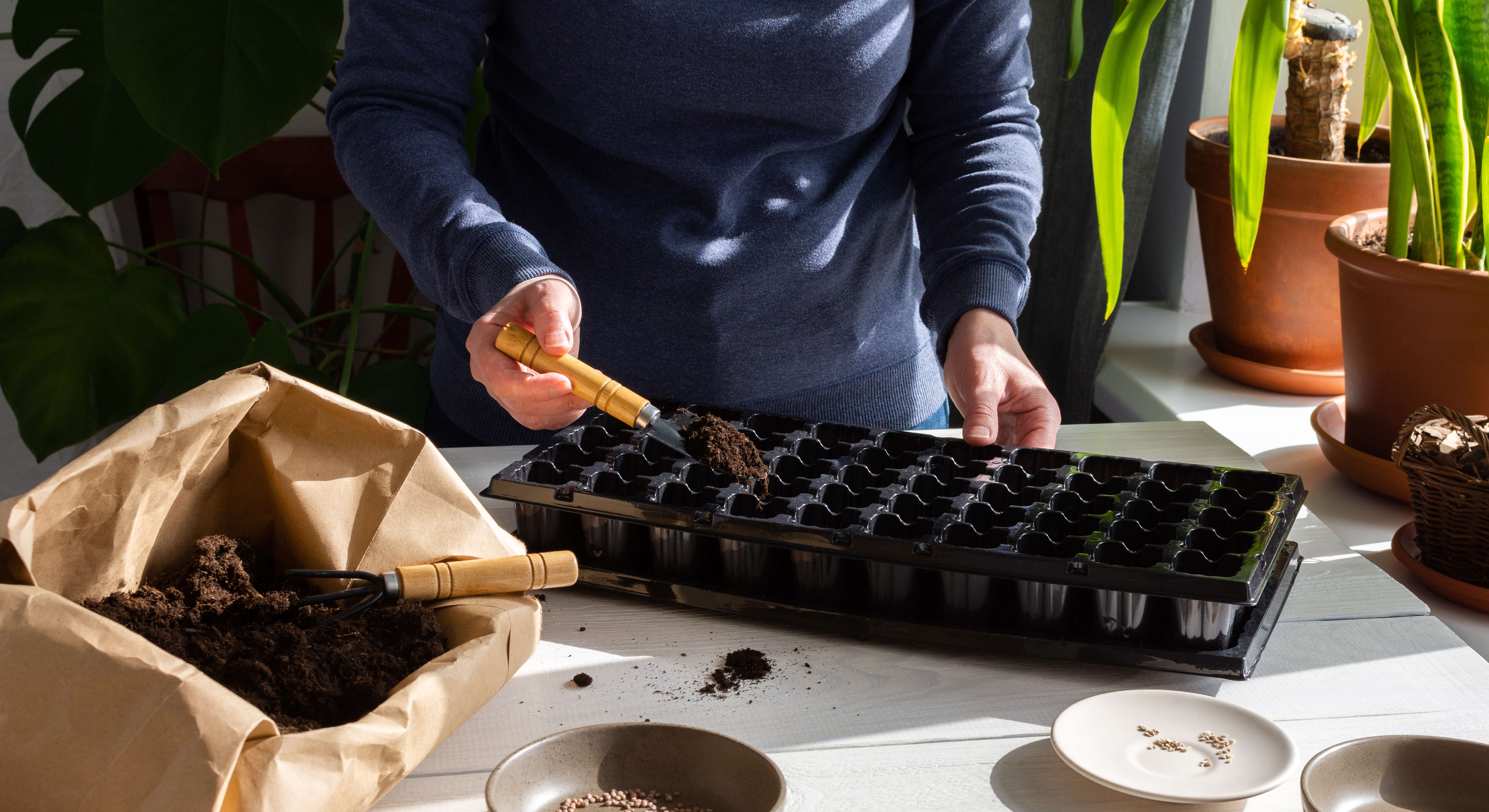
As an alternative to buying plants, James Syrett, co-founder and garden designer at Byrga Geniht, suggests starting them from seed. “the outlay is about as low as it gets,” he says.
You may like
What’s more, he adds that most seeds can be sown outside after the last frost, and you don’t need to go to the expense of buying a greenhouse.
Plants to try
Chastain recommends growing hardy geraniums, purple coneflowers, yarrow, and creeping thyme.
2. Prioritize plants that self-seed and multiply
(Image credit: Shutterstock)
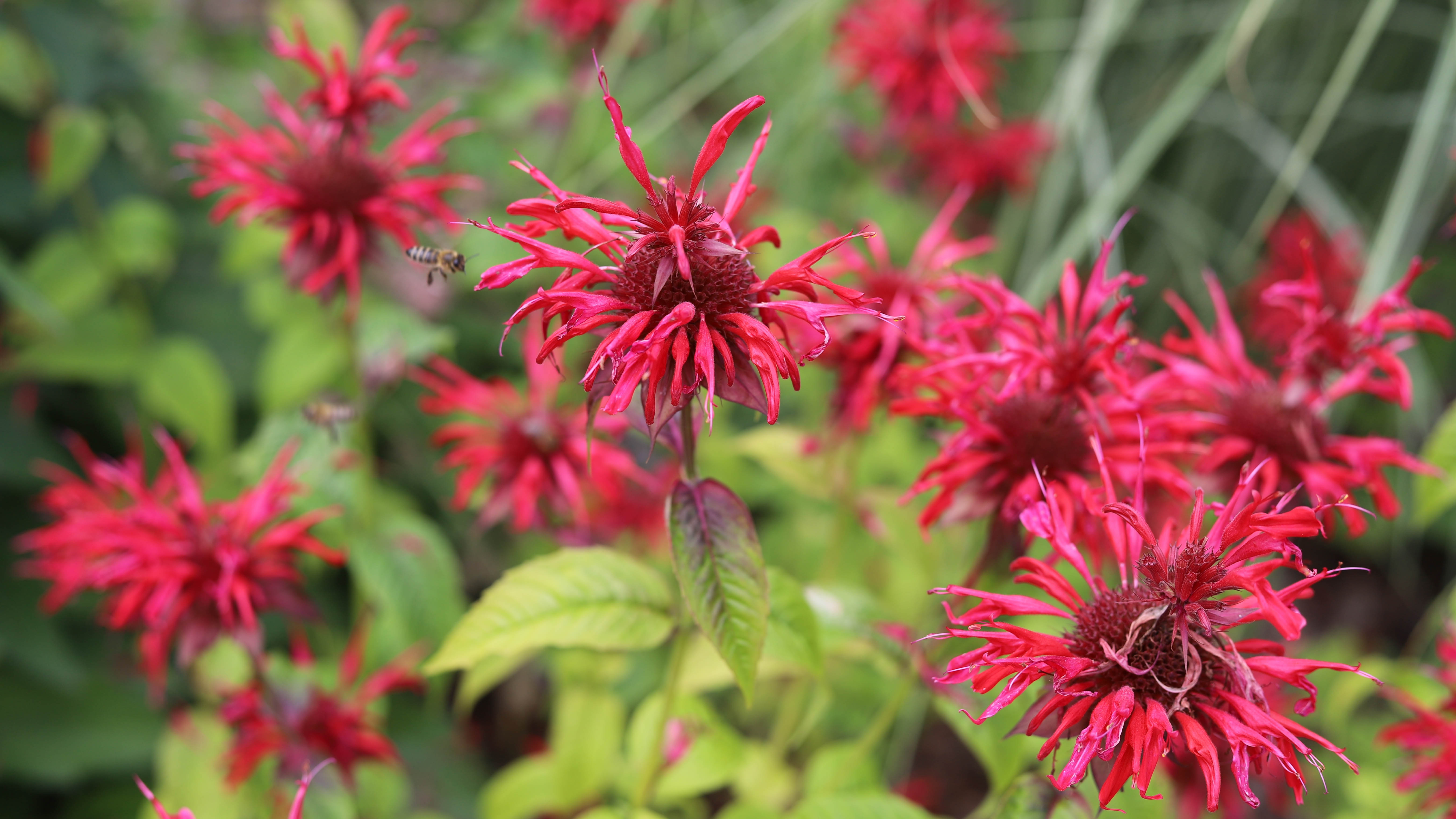
Choosing plants that multiply on their own allows you to fill a garden for free. With this method, you don’t even need to buy seeds, as the plants you’ve invested in give you back more each year.
To support this process, Chastain recommends leaving the flower heads alone so the seeds can fall. These self-seeders don’t need seed trays or a greenhouse to grow, while they’ll naturally fill gaps in your borders.
Plants to try
Great options include foxgloves, nasturtiums and sunflowers.
What to read next
3. Propagate and divide for free
(Image credit: Shutterstock)
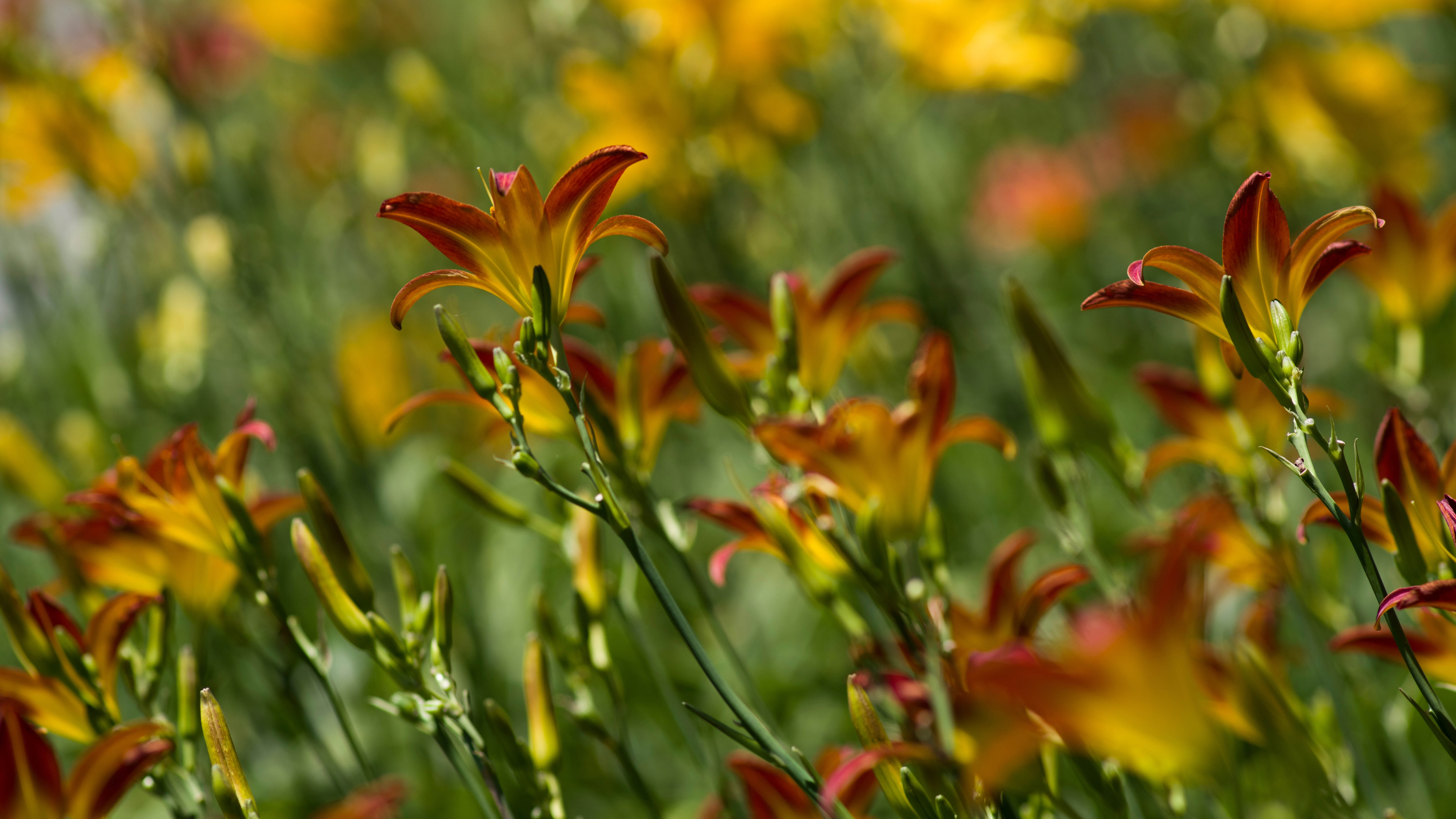
Dividing plants in your garden can give you dozens of plants for free, if you already grow perennials and bulbs. You can split mature clumps and plant them elsewhere in your yard, or swap with neighbors.
And unlike planting from seed, established plants already have strong roots and foliage and will give instant impact in your yard, without waiting to see if your seeds succeed. It’s also a way to stop plants overcrowding your yard if they get out of hand.
Daylilies, ferns and Shasta daisies all make excellent plants to divide, with Gene Caballero, co-founder at GreenPal, specifically recommending daylilies. “A single plant can grow into a large clump over a few seasons and be divided into multiple plants at no cost. They are also very drought-tolerant and require little maintenance.”
Apart from divisions, another method to grow plants is to propagate what you already grow. “Lavender is great for cuttings and so are fuchsias,” says Chastain.
“After you take the cutting, put it in a pot of compost and you will have a new plant in a few weeks,” she adds.
4. Choose hard-working, multipurpose plants

(Image credit: Shutterstock)
It’s worth picking plants that will hold up for more than one season. “Evergreens are a good choice and so are bushes like viburnum that flower in spring and have berries in the fall,” says Chastain.
Mirela Bajic, senior garden designer at House Designer, also supports growing evergreens, and suggests growing pittosporum. “It works as a hedge or a standalone specimen, grows steadily, tolerates most conditions and looks good year-round.”
Apart from choosing plants that work hard across the seasons, others can create ground cover that suppresses weeds. Callebro suggests planting creeping thyme for this reason. “It acts as a living mulch, and as it spreads, it will fill in bare space, helping to suppress weeds, and reduce the amount of mulch and maintenance needed,” he explains.
Other plants, apart from being standout specimens in their own right, can help repel pests, saving you time and money on pest control. These are also referred to as companion plants, such as growing marigolds with tomatoes to protect the crop.
Anastasia Borisevich, a plant expert at Plantum, recommends growing lavender for its fragrance and attractive appearance, and placing it near a patio or entryway to deter pests.
The golden rules for budget gardeners
(Image credit: Shutterstock)
Whether you are dealing with a tight budget, landscaping a rental, or trying to fill an expanse, the key to creating a garden for less is to select plants that are easy to propagate, return year after year and perform multiple roles in your outdoor space.
The only trade-off is your time, but the reward is getting to see and learn about your plants as your garden matures.
Gardening essentials we love

Follow Tom’s Guide on Google News and add us as a preferred source to get our up-to-date news, analysis, and reviews in your feeds. Alternatively, you can read our content on the Tom’s Guide app available now for iOS and Android. Subscribe to Tom’s Guide on YouTube and follow us on TikTok. Finally, you can visit our dedicated Tom’s Guide Savings Squad hub for expert help on getting the best products for less.
More from Tom’s Guide
Comments are closed.