
Key Points
Avoid composting diseased plants to prevent spreading harmful pathogens back into your garden.
Trash invasive plants, weeds with seeds, and pesticide-treated plants to stop contamination or regrowth.
Compost piles often don’t get hot enough to kill pathogens, so balance materials and turn regularly to boost heat.
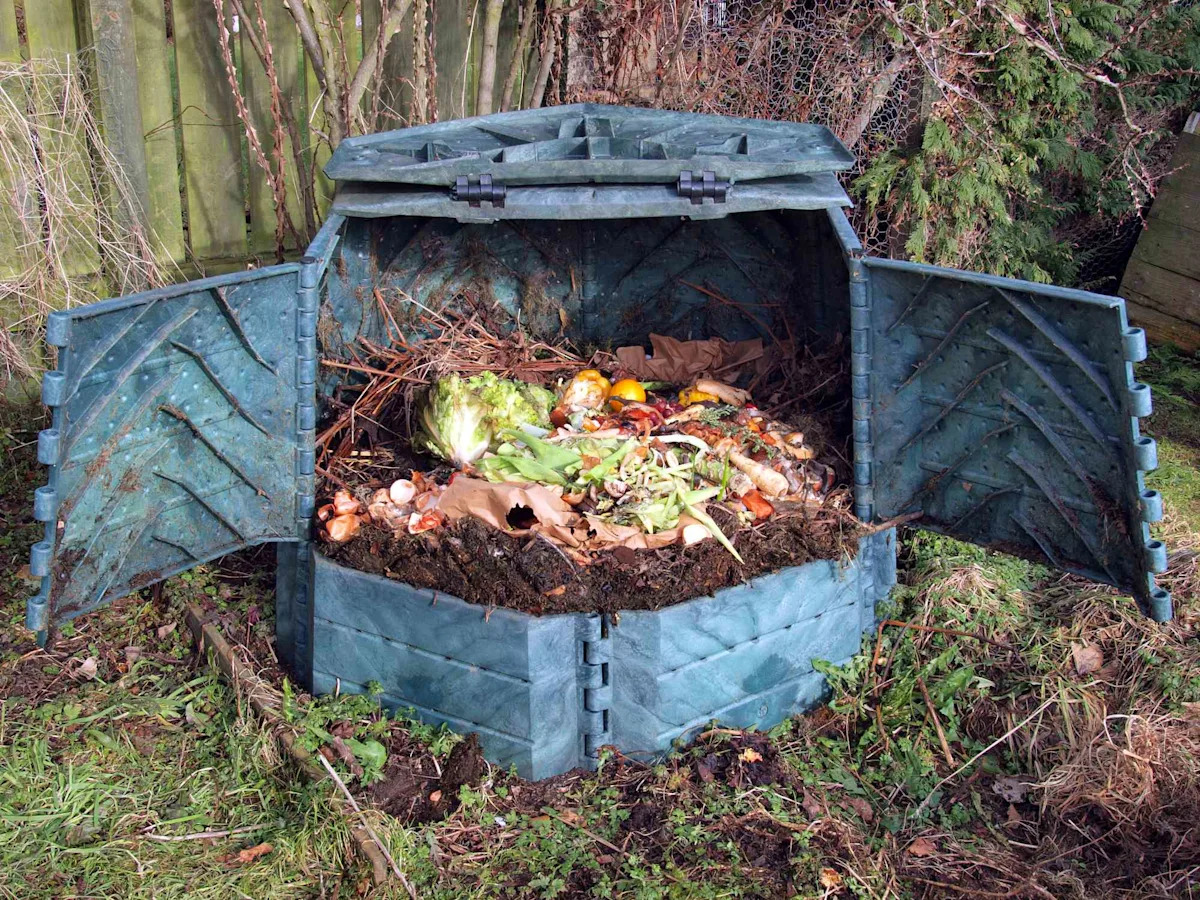
Compost has been dubbed “garden gold.” But it is important to do your composting correctly. While it is generally okay to take a laid-back approach to composting, there are a few caveats to keep in mind. One of them concerns adding diseased plants to your compost pile.
Meet the Experts
Amy Enfield, Ph.D., is a senior horticulturist at ScottsMiracle-Gro. She has a BS and MS in Horticulture from Michigan State University and a PhD in Plant & Environmental Sciences from Clemson University.
Teri Valenzuela is Content Manager at Sunday with aB.A. from Saint Mary’s University of Minnesota.
Why You Should Never Compost a Diseased Plant
According to Amy Enfield, Ph.D., Senior Horticulturist at ScottsMiracle-Gro, adding a diseased plant to your compost pile introduces harmful fungi, bacteria, and viruses.
So what’s the problem? Won’t this stuff get “cooked” during the composting process? Not necessarily.
“Most backyard compost piles just don’t get hot enough to kill off these pathogens. So, you risk mixing them right back into your garden when you use that compost,” Enfield warns. “Instead of helping your plants grow, you might actually be sabotaging them by spreading disease.”
What to Do With a Diseased Plant
It is standard practice to add spent plant material from the garden to your compost pile. Along with raked leaves, grass clippings, and kitchen scraps, the typical compost pile depends on spent plant material for most of its bulk.
So you may be at a loss to figure out just exactly what you should be doing with diseased plant material, now that you know you can’t place it in the compost pile.
“When you have a diseased plant, the safest thing to do is to remove it from your garden completely,” Enfield says. “Carefully dig it up or cut off the infected part, making sure not to scatter any infected bits around. Then, bag it up securely and toss it in the trash.”
She adds that not only should you avoid putting it in your compost bin, but you should also avoid putting it out as curbside green waste (as this would spread the disease to other areas, potentially).
5 Other Things You Should Never Compost
Diseased plants aren’t the only items you should avoid putting in your compost bin; here are a few others our experts suggest you avoid:
Greasy kitchen scraps, meat, dairy, and bones: According to Enfield, these can “negatively affect the beneficial microbes. They also attract pests like raccoons or rodents.”
Weeds that have gone to seed: “Once weeds have gone to seed, you run the risk of spreading them right back into your garden with your compost,” says Enfield.
Pet waste: “While manure from herbivores like cows or rabbits can sometimes be composted, waste from cats and dogs can carry harmful parasites and bacteria,” notes Enfield.
Invasive plant species: “Some really aggressive plants, like bindweed, Japanese knotweed, or Canada thistle, can actually survive the composting process and regrow from tiny bits,” warns Enfield. “It’s best to bag these up and trash them to prevent them from spreading.”
Plants you’ve sprayed with pesticides: Teri Valenzuela, Content Manager for Sunday, adds that pesticide-treated plants don’t belong in the compost, either. This is especially true if you’ll be using the compost in a vegetable garden.
How to Rehabilitate Bad Compost
If you have recently placed diseased plants in your compost pile by mistake, quickly remove them. Simple enough. But if they’ve been in there a while, your task gets more difficult. In this case, it’s a good idea to work extra hard at getting the temperature of your pile up higher.
At higher temperatures, any pathogens will likely be killed. But how do you do this?
Valenzuela notes the importance of keeping a balance between green materials and brown materials in a compost pile. She lists kitchen scraps and grass clippings as examples of green materials, and leaves, cardboard, and shredded paper as examples of brown materials.
It’s important to keep these materials moist (neither dry nor drenched).
“Mixing in a bit of soil can also help, and it adds microbes that speed things up,” Valenzuela advises. “And don’t forget to turn your pile regularly for airflow.”
Read the original article on The Spruce
Comments are closed.